• Skip to primary navigation
  • Skip to main content
  • Skip to primary sidebar

University of Portland Museum

  • Home
  • About
  • List of Entries

Campus - Landscape

With the Best intentions: Villa at 65, November 17, 1957-2022

November 15, 2022 By Carolyn

There is a humorous, often repeated story recounted by Rev. James A. Anderson, C.S.C., (CP ’32, Chemistry faculty, 1946-1982).  Asked about the origins of co-education (women) on campus, he answers:

There wasn’t really too much difficulty about that, or at least if there was, it was a long time ago.  Because the beginnings of co-education was really with the Nursing School.  That school was at St. Vincent Hospital.  It just became more convenient eventually that the nurses would take a class here rather than over there.  Then, when Music was started, there were girls who wanted to take music.  So there was no particular problem.  The only problem was about the girl’s dormitory.  This had to go to the Superior General of Holy Cross [in Rome].  He said it was O.K., but to build it on the corner furthest away from the boy’s dormitory.  In retrospect, it might well have been built someplace else.  Everyone had to use the Commons and it might have been more convenient to have the dorms and eating facilities in the same general location.  But that was the only thing.  He didn’t exactly make a problem over the exact spot, just as long as it was as far away as we could get it.   [abridged]

This 1968 reminiscence found in the oral history of the University gives evidence of the first seed of a colorful anecdote about how the presence of women on campus was enough to inspire a paralyzing sense of sexual panic among the Catholic administration (fainting priests).  With this winking, knowing anecdote about cautiously positioning the women’s residence along the rim of the campus, ‘beyond whistling distance from Christie Hall’; the Villa Hall origin-story hints at fear & exclusion, assuming that our school has been reluctant to welcome women or to extend all students an equal equality.  Such foot-dragging is unlikely in the event however.  The women’s hall was built on-campus (a year before Kenna!).  And even prior to 1957, the Dean of Women had already been coordinating living arrangements for women students in boarding houses beyond campus, just across Portsmouth (in effect market-testing the need for a brick and mortar residence hall on the campus proper).

As things work over time, much has changed regarding the genteel living promised to women in the new and most-remote student hall.  Therefore, naturally, today Villa Maria is a men’s residence (since 1984), and too, the University has long since spanned Portsmouth (counting in the Franz Campus on the river) such that Villa now holds a central location, though the dining hall still seems remote to Villa residents.  Within the last twenty years the proud denizens of Villa have adopted a gorilla as mascot and a hall badge boasting modest excellence.  The kilted bag-pipe wailing Villa Drum Squad (see: the Celtic cross in the hall badge) has claimed a mixed gender membership for several years.

1956 Admissions Brochure

Citations: Oral History Program I:245-6; The Pilot, September ’56: A Guidebook for University of Portland Students, p. 14; Province Review (February 1957) p.3

Related post: https://sites.up.edu/museum/orientation-at-the-university-of-portland-campus/

Filed Under: Campus - Landscape, Campus - Landscape 1 5 Comments

130 Years of Service: Waldschmidt Hall

October 17, 2022 By Carolyn

West Hall, ca1892

Built in 1891, West Hall served the short-lived Portland University (1891-1899) and was purchased along with the 25 acres of the bluff campus by Archbishop Alexander Christie in 1901 as a Catholic college (Columbia University renamed University of Portland in 1935) under the direction of the Congregation of Holy Cross. As the only structure at our beginning, West Hall contained the entire new University: becoming classrooms, dormitory, library, dining hall, Chapel, and offices. Naturally library, dormitory, dining hall and Chapel later migrate as new facilities appear. Today West Hall/Waldschmidt Hall houses student services and administrative offices. 

Renovation and Renaming Dedication Ceremony, October 17, 1992

In 1977, during the University’s Diamond Anniversary celebration, West Hall was named a historic building and placed on the National Register of Historic Places. At its century mark (1991-92), an extensive renovation brought an elevator, light, the grand-staircase, and more to the old bones. At a rededication ceremony thirty years ago on October 17, 1992, West Hall was renamed as Waldschmidt Hall in honor of the University’s 15th president (1962-1978), Bishop Paul Waldschmidt, C.S.C. 

Waldschmidt Hall, Dundon-Berchtold Hall, Chiles Center, September 2021
(Marketing and Communications photo)

As the University’s longest-serving building, Waldschmidt Hall has welcomed all University presidents from the first, Rev. Edward P. Murphy who rang the opening bell on September 5, 1901, to the University’s 21st president, Dr. Robert Kelly. 


For more pictures and history of West/Waldschmidt Hall visit the Clark Library’s Digital University Buildings Collection, displaying images of photographs and objects held by the University Archives and Museum (with descriptions from the Archives and Museum).

Related Posts:
In the Beginning: Cornerstone West Hall

In the Beginning: Day One

Filed Under: Campus - Landscape, Campus - Landscape 1 2 Comments

Erosion and Re-shaping: Using Primary Sources in Teaching

November 10, 2021 By Carolyn

Dr. Robert Butler, Emeritus Professor in Environmental Sciences, arrived on the Bluff in 2004, and immediately saw that the physical Bluff itself—our green campus overhanging the Willamette River—could be an object-lesson in his science classes. 

But, how to create a learning-module about our patch of land?  In his first days on the Bluff, Dr. Butler visited the Archives and came away with a “treasure chest that I used in my teaching of Earth Science courses from 2004 through 2016!” Pulling some 25 or more historical photos of the campus that could be used as classroom and lecture exhibits. “To the eyes of a geologist, these photos demonstrate landscape changes, some natural but most from alterations by humans.”  

Dr. Butler selected these three photos to illustrate.

1914 Aerial Landslide below Waldschmidt Hall and Christie Hall

1) The 1914 aerial photo shows landslides/erosion on the edge of the Bluff east of Waldschmidt.  This land subsidence / rapid erosion was almost certainly precipitated by an oversteepening of the slope by construction of the road leading down to the rail line at the base of the slope.  

Swan Island in 1922 (top) and 1935 (bottom)

2) The comparison of Swan Island between 1922 and 1935 is a case study in major landscape modification by humans.  Prior to dredging, the main channel of the Willamette River passed along the north bank of what is now Swan Island.  On the south side of Swan Island and down-stream toward the city center, the river was impassible to large vessels.  When the main channel was opened by dredging, the dredge spoils created a landfill all-but closing the Swan Island channel. 

1969 Landfill below Mehling Hall

3) The 1969 aerial photo shows surface landfill into the gulch on the slope of the bluff below Mehling Hall. This landfill was an attempt to stop that gulch from advancing northwards and further eroding the upper campus. The current Physical Plant building rests on the landfill area. 

Dr. Butler recently sent us word about how these primary-source images “mined out of the Archives became critical resources in my teaching of Earth Science on the Bluff.  Students were quite engaged by these views of the campus over the past century.” 

Readers, do you have an Archives or Museum success story?  We invite you to share your own experiences using Archives and Museum resources.   Drop us a note at archives@up.edu and museum@up.edu about your discoveries in the Archives and Museum.

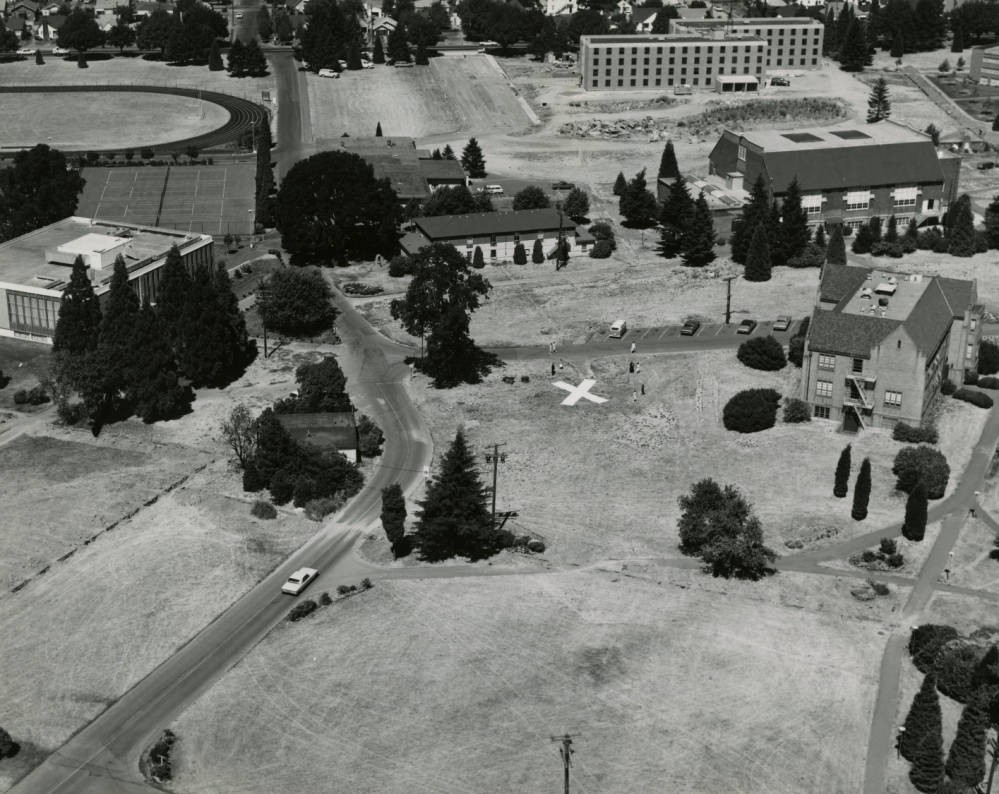
For additional historical views of the campus property see the Clark Library Digital Collection through this link, which provides more information about the 1964 aerial view accompanying this post on our home page.

Filed Under: Campus - Landscape, Campus - Landscape 1 1 Comment

A Canopy of Blossoms

April 6, 2021 By Carolyn

Academic Quad, 2012, Marketing and Communications photo

Springtime on the Bluff is a colorful season. Sunshine. Students repurposing freshly cut lawns for study. Flowering trees blossoming across campus!

For about three or four weeks each spring, a vibrant canopy display of flowering cherry trees decorates the campus – bursting forth from Waldschmidt to Tyson, Orrico to Shipstad Halls.

Haggerty Hall, April 5, 2021, University Museum photo

A visitor might think these cherry trees formed UP’s landscape since its beginnings (we welcome many, many admissions visitors in the spring), each visitor greeted at the University’s entrance with a splash of color and seeing the same pink blossoms forming a natural boundary for the Quad. The first picture we’ve found is given as a detail of campus life in the 1960 Log. There is a reference in Dr. James Covert’s, A Point of Pride: The University of Portland Story, to the flowering trees adorning the new main drive at the time of Shipstad Hall’s construction (1967). The back cover of the Spring 1996 Portland Magazine claims 1965 for the planting of these trees.

Between Mago Hunt Center and Franz Hall, 2020, Marketing and Communications photo

The flowering trees at the statuary group by the performing arts building likely arrived around 1973 or 1974 with the completion of Mago Hunt Center. The Campus Gardens: A Self-Guided Tour of the University of Portland Collections lists Kwanzan cherry trees at just Mago Hunt Center and the main entrance by Shipstad Hall in 1989.

But then in 1995 we commit to cherry trees in a big way, with an August 31 Beacon article about the landscaping plan for the Academic Quad announcing rows of cherry trees along the sidewalks framing the lawn from Franz Hall to the Chapel, the Commons to the Library.

View of the Quad from Franz Hall, date unknown, Marketing and Communications photo

These flowering trees, carefully maintained by dedicated grounds crew, appear to the delight of viewers after winter months, and most especially this year, in the midst of a pandemic.

Filed Under: Campus - Landscape, Campus - Landscape 1 Leave a Comment

Prophecy and Visions

November 18, 2019 By Carolyn

University Bulletin. Future of University of Portland Outlined by New Vice President.
University of Portland Bulletin, Fall 1949

In the 1940s and 1950s many Humanities majors harbored Law School ASPIRATIONS. Liberal Arts universities can suffer out-sized ambitions too. In the years immediately following World War II, as response and answer to the needs of returned Veterans, surging enrollment had the University of Portland dreaming big dreams. The 1949 State of the University Address promised both a Law School and a School of Engineering. Fr. Bob Sweeney, C.S.C., who in the next year was to become the 12th University President, proposed how it would only cost $5 million to right-size the campus. Taking that 70-year old Five-Year Plan as a Wish-List / Check-List, there is still no Law School.

The Engineering Building did in fact open in 1949 (it was already under construction as these promises were made); and we got the free-standing library in 1959– no football program though. More recently, the ‘Aged Building’ housing Engineering received a 2009 face-lift, and today in 2019, the University of Portland Shiley School of Engineering is ranked 26th in the nation by U.S. News and World Report. The University of Portland keeping the promise and the vision by providing innovative programs and facilities to meet the needs and challenge the minds of the current 4000+ student body (a total larger than the 1950 alumni mailing list!)

Engineering Building, 1948
Shiley Hall, 2009

Additional links:
UP Press Release, September 10, 2019

The Quadrant, 1949 – Engineering Building Dedication Issue

Related Museum blog post “Founding Visions”

Museum blog post: End of Football

Filed Under: Campus - Landscape, Campus - Landscape 1

The Bells Are Ringing

September 18, 2019 By Carolyn

Bell Tower Dedication with Archbishop Vlazny, September 2009
Bell Tower Dedication with Archbishop Vlazny, September 18, 2009

The classic timepiece with hour and minute-hand worn around the wrist has all but disappeared. Replaced by multi-function cell phones, activity trackers, and smart watches that not only tell time but record steps, spent calories, heart-rate, and more. And while subjective-time differs according to setting and activity (crushing a weight machine in the Beauchamp or walking the mind through a series of axioms in Calculus), on the UP campus, standard, objective, shared time is announced by the digital reader board at the corner of the Chiles Center, by the six-foot clock adorning the new Dundon-Berchtold Hall, and the resonant notes of the Bell Tower carillon standing proud beside the Chapel of Christ the Teacher. With fourteen bells — each named and baptized and with its own distinct musical voice– The Bell Tower chimes the hour and quarter-hours from 9 to 9 and sounds a call to prayer for Sunday and the daily noon Masses. Observing a ten-year anniversary, dedicated September 18, 2009, the Bell Tower is our tallest structure at 106 ft.; a landmark at a crossroads where faith, academics, and student life intersect.

Related post:
https://sites.up.edu/museum/hours-and-bases/
Also, Clark Library Digital Collections

Filed Under: Campus - Landscape, Campus - Landscape 1

Campus Archaeology: On the Shoulders of Giants

May 30, 2019 By Carolyn

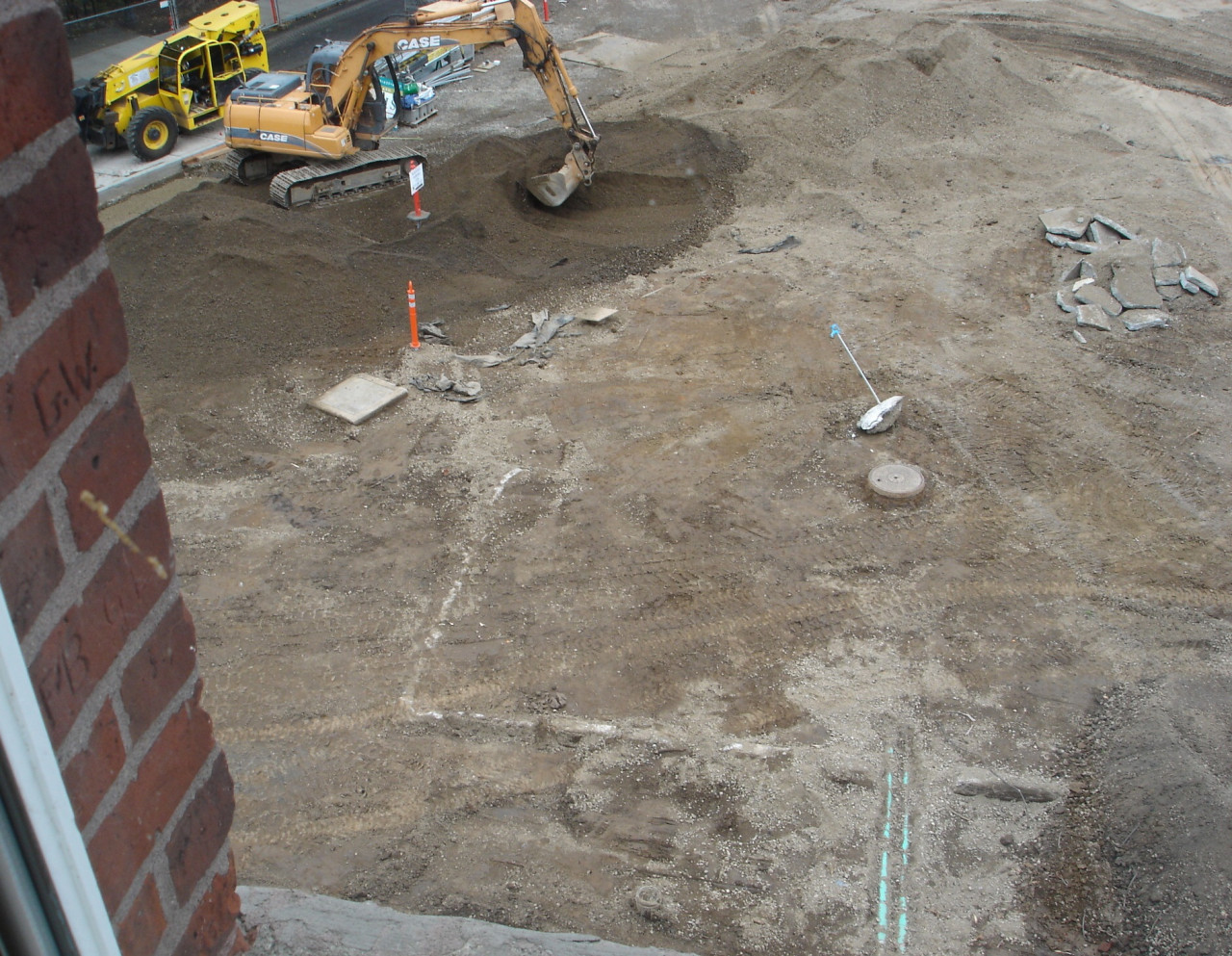
Bath House, stone and mortar foundation, Viewed from Waldschmidt Hall stairwell, May 21, 2019 (University Archives photo)

At the completion of Dundon-Berchtold Hall landscaping is one of the final phases, squaring off the green-space-quad joining Dundon-Berchtold, Romanaggi, Swindells, and Waldschmidt Halls.  While scraping away gravel and going some inches below the top layer of grass and soil when dressing what has been the construction-workers’ staging site, the excavators excavated an unexpected find.  An archaeological puzzle.  The machines uncovered a tracery of foundation-walls, disclosing the remains of a structure outlined in the field north of Waldschmidt Hall.

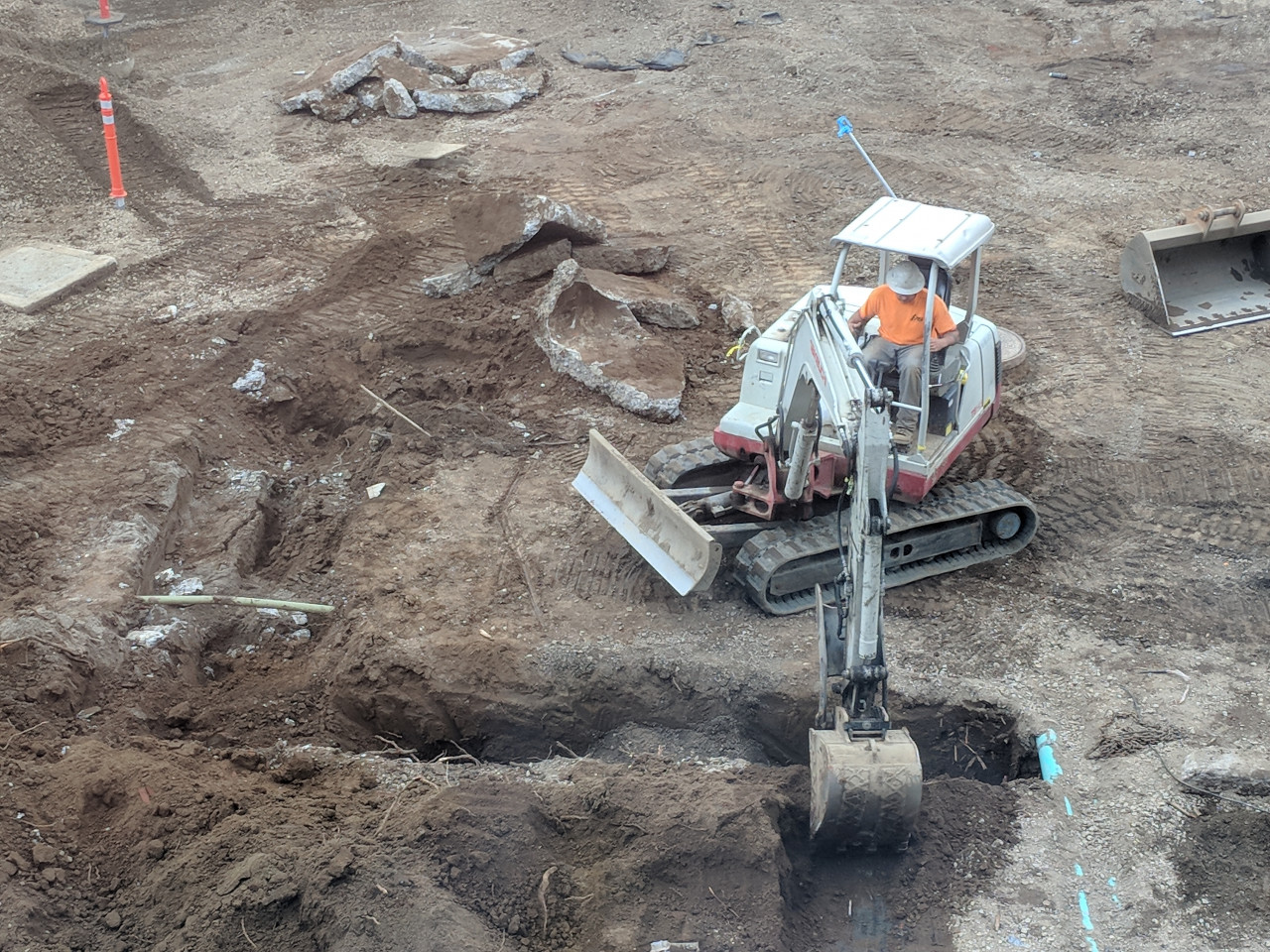
Obstruction extracted, Bath House site, May 21, 2019 (University Museum photo)

A slight embarrassment and inconvenience when the University had not warned the workers against the presence of buried concrete.  But gosh, a great question, because no one was aware that there had ever been a structure there.

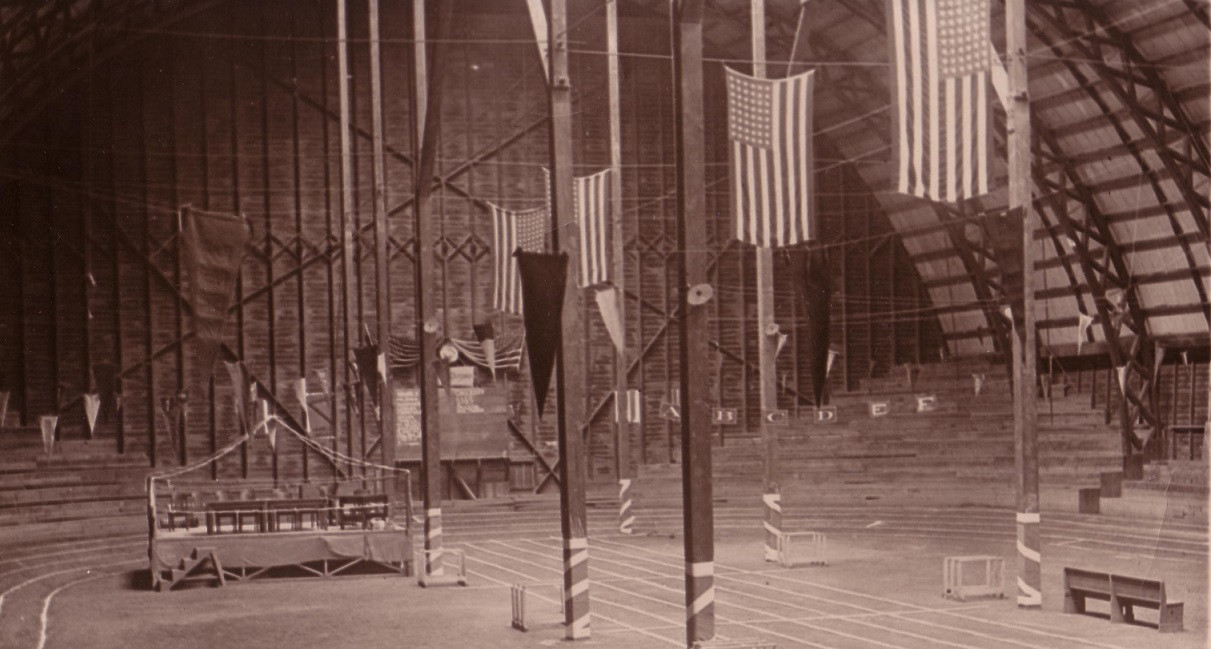
A detective story!  To the Archives!  The excavators had uncovered a piece of UP sports culture; the cement and stone remains of a locker room out-building, fitted out to complement our show-piece all-weather out-door roof-covered-state-of-the-art Track & Field facility (1903).   The changing room and shower was heated, too!

And the Solution?  Starting with only the location, we turn for clues to the database list: Buildings, Past, Present & Demolished.   Searching there for any conjectural entries; for example, The Bath House, a generic name with no given location and obelized (uncertain) dates, but the listing nestled among the early buildings.  Provisionally pairing an unknown ruin with an unspecified building name, and a hint for possible further investigation.
Next, seek witnesses.   There were four pioneer Holy Cross Religious, including the first Holy Cross president, Father Michael A. Quinlan, C.S.C. (1902-1906), who arrived here in 1902.  Among them, Brother Wilfred Schreiber, C.S.C.- our most valuable witness– who served here the longest (1902-1933) and whose care was maintenance, fire-stoker, gardener, campus security officer and fixer, and a ministry cheering students.  [Pioneer Four]

Colosseum Interior, 1904 (University Archives)

Bro. Wilfred recorded this ‘clue’ via a 1944 oral history project: “The old bath house was built by Fr. Quinlan at the time the Colosseum was built and it served as a shower room and dressing room for the athletes; also a lavatory for the students.  It was built about half-way between the Main Building and the Colosseum.”   (When the new gymnasium was finished it became a shop and was not moved from there until about 1937.  Then all the shops and out buildings were transferred down below the steam plant. Ed’s note.) **

From Bro. Wilfred’s account we now have a name, function, and approximate date and location.  The next step is the search for contemporary documentary evidence.  Such as are found in the School Notes printed in the early campus publication, The Columbiad.  This blurb from 1906 provides a precise beginning date, and, by giving the dimensions, adds a specific, checkable data-point:

The new bath house has been nearly completed.  When finished it will afford the students splendid accommodations for dressing rooms, lockers and shower baths, which occupy a floor space 14 x 58 feet.  The whole structure is much larger, containing in addition to what has been mentioned above two apartments for toilets and a room for the hot water plant.  If the weather permits, the work should be completed by the first of March.  By that time the old bath room will be converted into a carpenter shop.  The Columbiad, Feb. 1906, p. 77.

The work was completed on-schedule in March, and heat was added to the out-building in 1909.  The circumstantial case for identification complete.  Probably.

The last question is the date of demolition.   The only notice about the removal of buildings and the realignment of sidewalks and paths in the area behind West (Waldschmidt) Hall is found the The Beacon of September 19, 1936, prior to the opening of a new academic building.  The student newspaper gives a progress report on campus changes, telling how during the summer two structures and several trees were removed in order to create a green-space of lawn between West, Howard, and the new Science (Romanaggi) Halls.

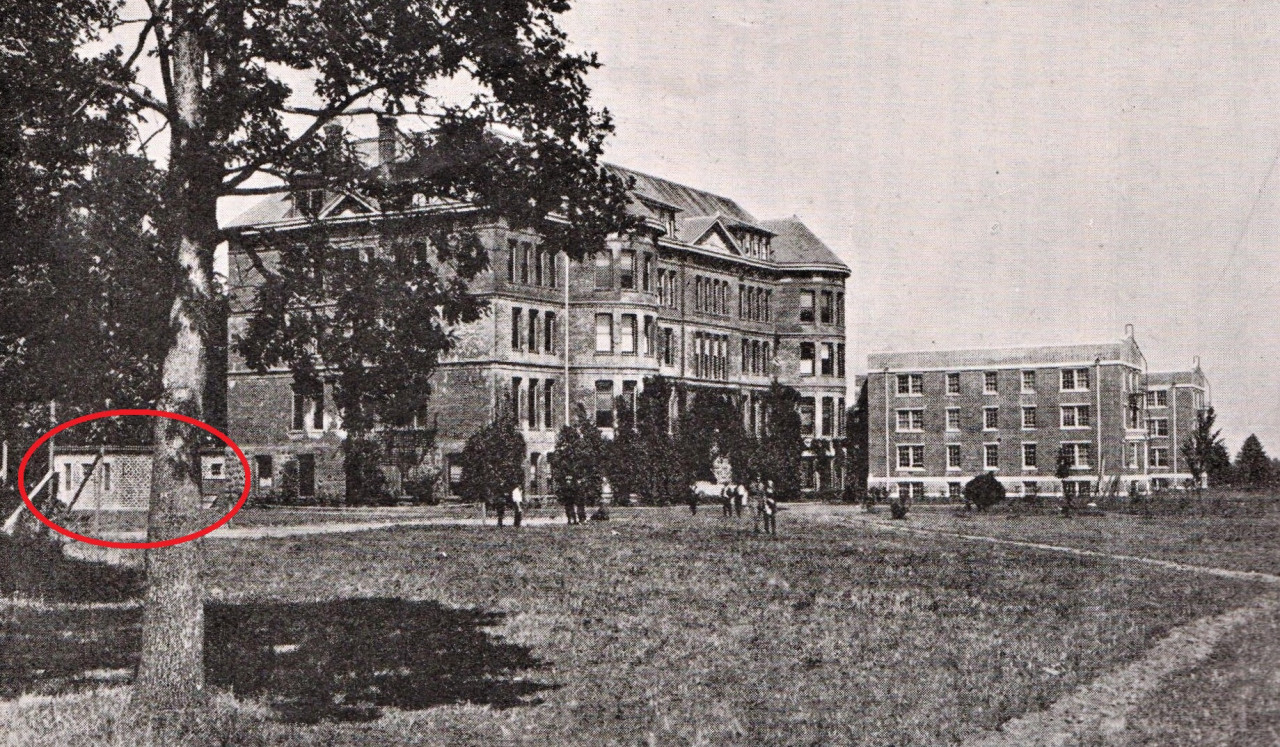
QED. The Bath House, March 1906-Summer 1936.  Name, function, location, and dates.  Probably.  The ruin certainly of the building shown here, which is incidentally included (bottom-left) in this image of West (Waldschmidt) and Christie Halls  (reproduced in The Columbiad, June 1926).

Columbia University, pre-Howard Hall. The Columbiad, June 1926, p. 277 “West Hall, Bath House indicated” (University Archives)

**Recollections of Columbia University of Portland Oregon; preserved and edited, Rev. Michael Early, C.S.C., (1944, p. 44), thanks also to those who organized and compiled the databases consulted: Bro. David Martin,C.S.C., first UP Archivist; Frs. Barry Hagan, C.S.C. and Robert Antonelli, C.S.C.; and Cora Miller and Martha Wachsmuth, long-time Archives associates.  Fr. Early’s credentials for editing the Recollections are impeccable, he was himself a graduate of Columbia University (High School) in 1912, and before 1944 he had served as Vice President and President of Columbia U. 1933-36, 1935-1940, respectively.  So, a qualified witness in his own right.

Additional Resources
1914  Aerial Campus

Connelly, A Century of Teaching, Faith, and Service

Covert, A Point of Pride

Covert, A Point of Pride, with pixs

Filed Under: Campus - Landscape, Campus - Landscape 2

Buckley Center at 50

February 5, 2019 By Carolyn

Buckley Center, West Side, ca1990

Buckley Center is fifty years old, dedicated February 7, 1969.

When new, Buckley Center met a major need on the UP campus for faculty office space, general-use classrooms, and nursing and communications labs.

The Alumni Bulletin (January 1969) touted the advantages of the new faculty and classroom building, “a modern facility in every sense of the word“, including fresh features like:

AIR-CONDITIONED 400 seat auditorium …
the newest audio-visual equipment…
the most up-to-date nursing apparatus…
three psychology instruction rooms equipped with two-way mirror glass…
the language laboratories, the radio and TV laboratories…
and study rooms and seminar rooms look more like a board room…. and [where] students and professors may study Shakespeare or Buber, whatever the class may be, around polished tables, surrounded by formal arm chairs, or colorful posture chairs. … Variety abounds!
… a total of 92,1187 square feet.  It’s big!”

Plastic-molded desk chairs will always have disputed chiropractic effects, but The School of Nursing’s Learning Resource Center, has continued to grow in space and clinical sophistication, and Buckley has come to house student services such as The Shepard Academic Resource Center and The Learning Commons.   As a result of changing with the times and adapting to student needs, even at age fifty Buckley Center remains a positive contributing factor in the University receiving high national and regional rankings for the quality and value of the student experience in our community.

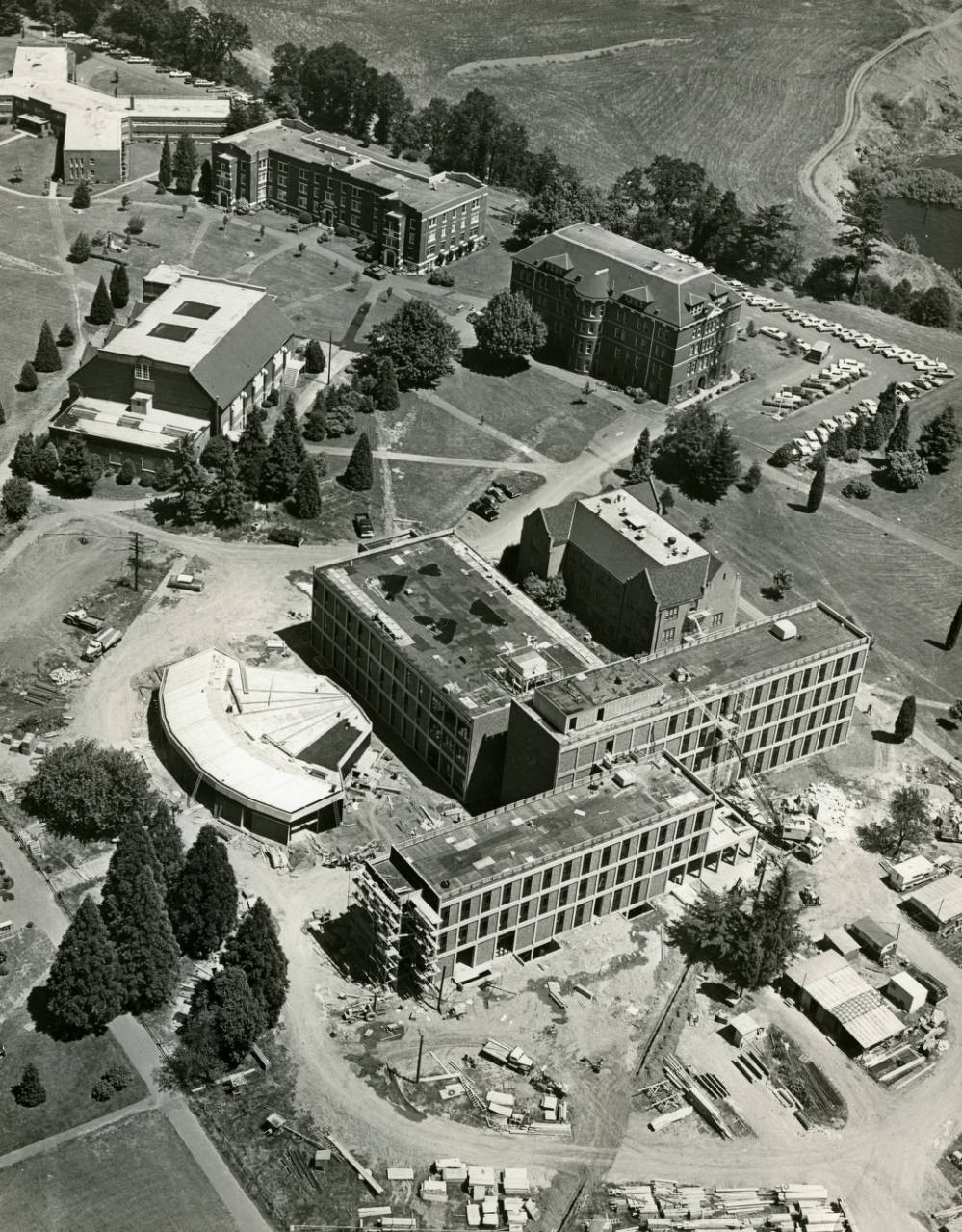
Overhead Aerial view of Buckley Center under construction. Waldschmidt Hall, Christie Hall, Kenna Hall and Howard Hall in the background.
Aerial View of Buckley Center, 1968
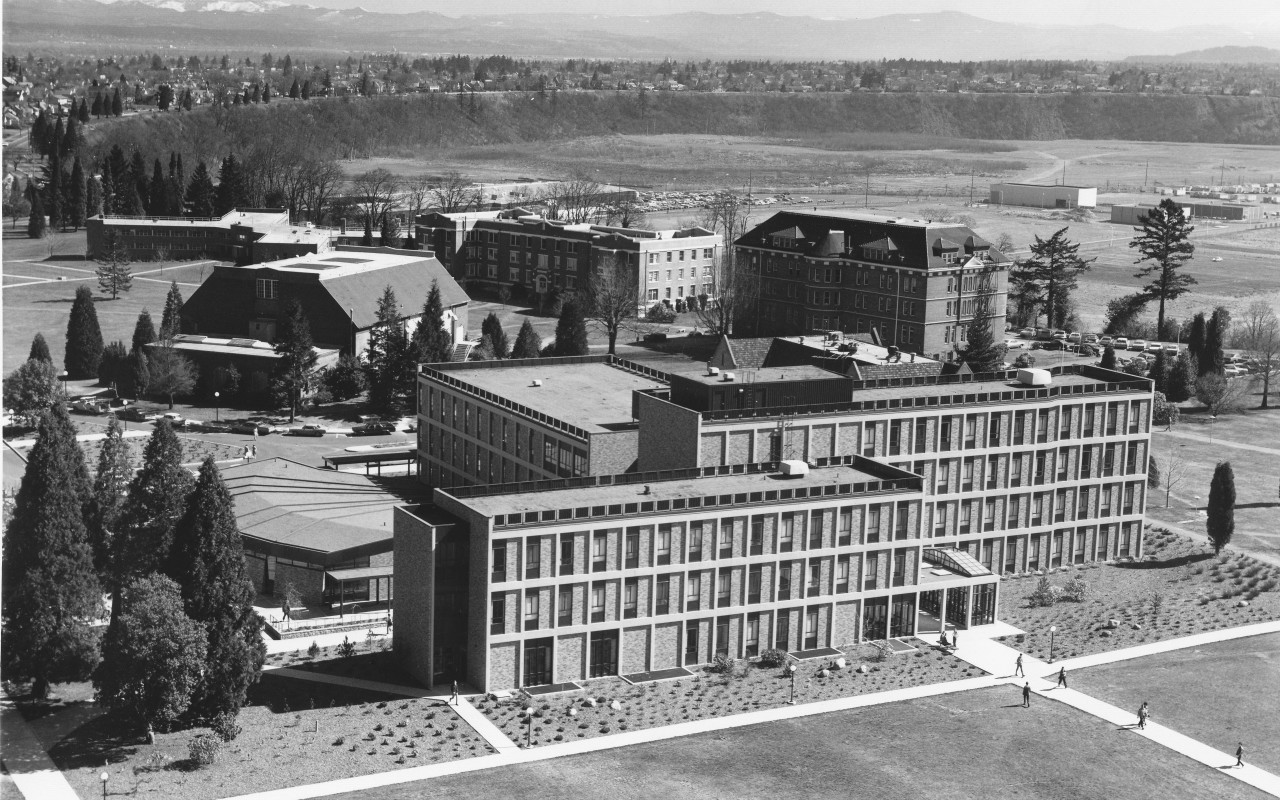
Campus view of Buckley Center in the foreground and Waldschmidt Hall, Christie Hall, Kenna Hall, and Howard Hall in the background.
Buckley Center, 1971
Buckley Center as view from the main entrance drive.
Buckley Center, 1994
Buckley Center building under construction.
Buckley Center Construction from the north, 1968
University of Portland campus map with an x to mark the spot of the new building construction site.
Marked location for Buckley Center, 1967
Northwest corner of Buckley Center with top portion of Waldschmidt Hall behind.
Northwest Corner of Buckley Center, 1980
Buckley Center, academic quad view.
Buckley Center, ca1982
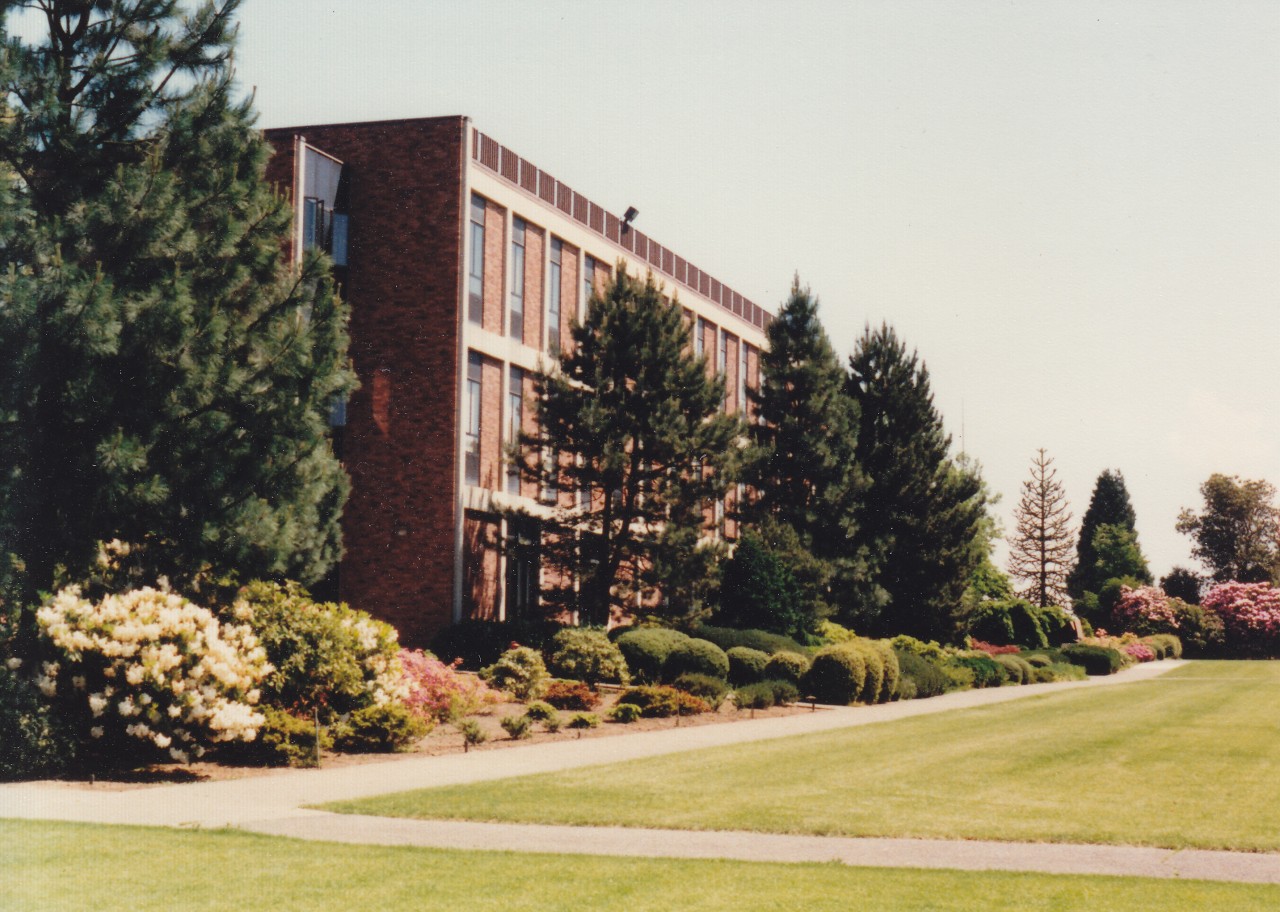
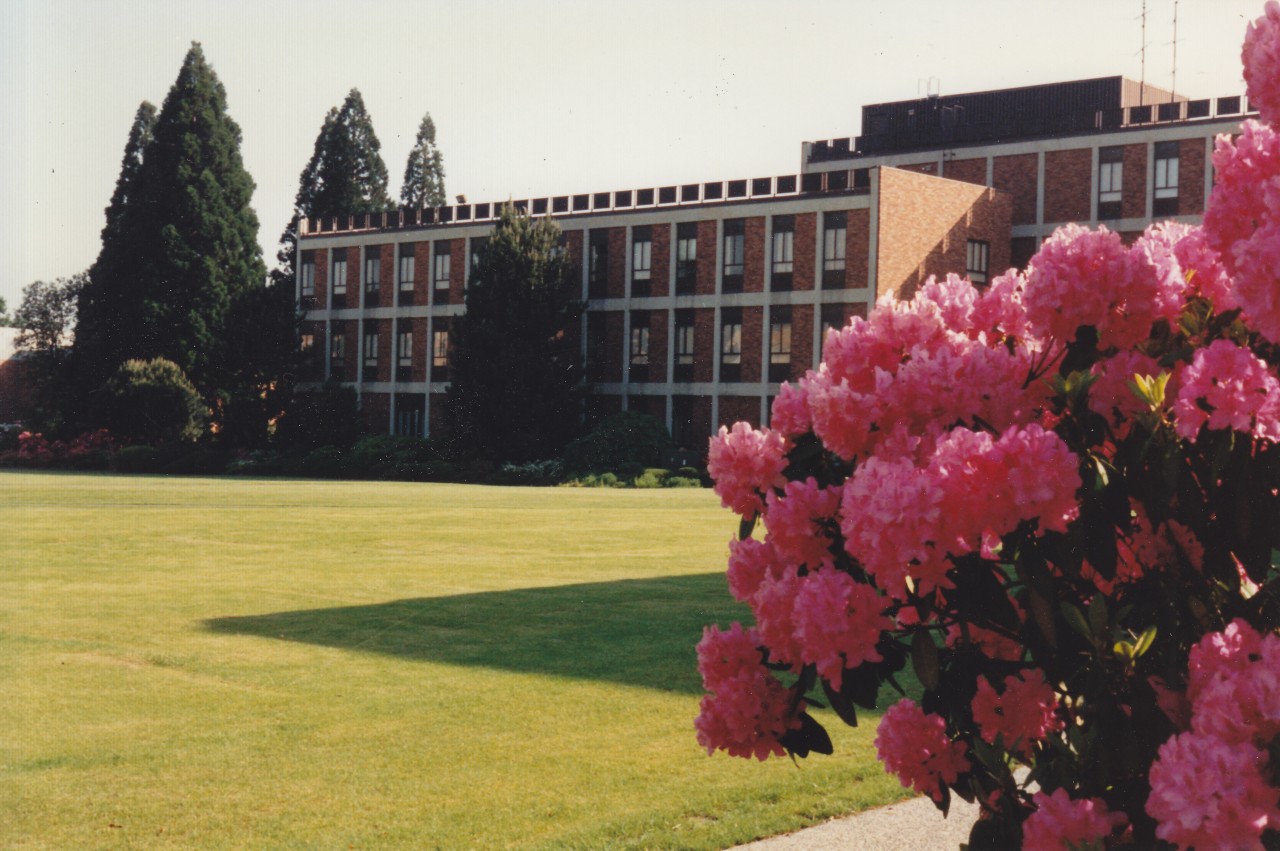
West side view of Buckley Center, large trees to the left and pink rhododendrons in the foreground.
Buckley Center, West side, ca1990
Television studio control room with operators at the controls.
Buckley Center TV Studio, April 1990
Architect's sketch of a faculty office and classroom building for University of Portland.
Architect’s Sketch of Buckley Center, 1967
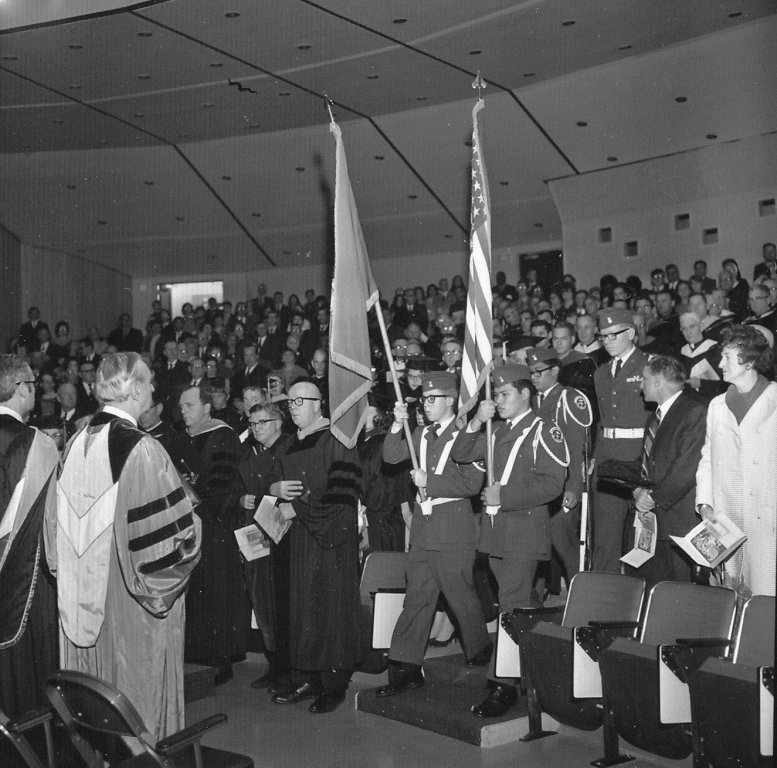
Color Guard procession in Buckley Center auditorium.
Buckley Center Dedication, February 7, 1969
Mount Hood above Buckley Center and West Hall.
Mount Hood above Buckley Center and West Hall, 1968
Students standing outside Buckley Center Auditorium entrance.
Buckley Center Walkway, ca1977
Students on the sidewalk in front of Buckley Center.
Buckley Center Sidewalk, 1973

For more photos and memorabilia of Buckley Center: Clark Library Digital Collections

Filed Under: Campus - Landscape, Campus - Landscape 2

Spires of Learning Reach Up to the Sky

September 21, 2018 By Carolyn

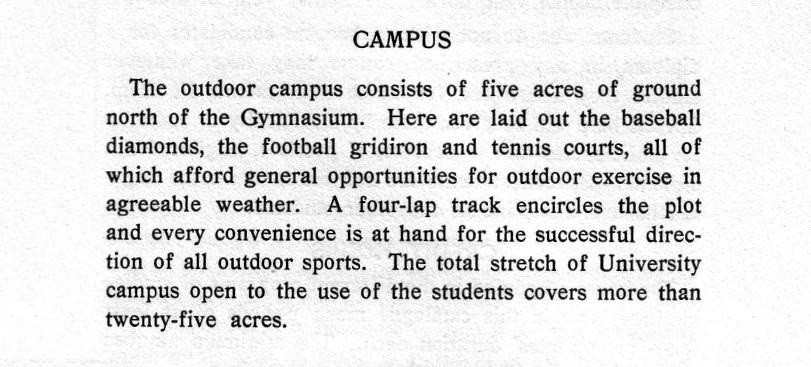
In our earliest documents, when the University Catalogue describes the situation and advantages of the young University it hits grace notes that are still found in the words of the Alma Mater (Upon the Bluff, high over the Willamette. . ..)  The basic text from 1902 – alongside course offerings, program sequences, fees and tuition – is both stable and embellished over the years. By 1907-08 the campus is described in the Catalogue as a salubrious Shangri La-like health resort, “… the entire year the temperature varies little.  Excessive cold or heat is comparatively unknown”, and where no one is ever sick (not a single serious illness in the six years since the school’s founding!).

The 1907-1908 Catalogue was issued twice: in the second revised version, after the initial description of the situation and mission, there are the usual paragraphs detailing the wonderful classroom building (a one building school-house in 1907) and a supplement which offers a more exact description of the extensive grounds and the facilities available for student recreation (this paragraph, below, is repeated in each new edition of the Catalogue from 1907-1934).

University Archives, Columbia University Catalogue, 1907-1908, revised, p. 10

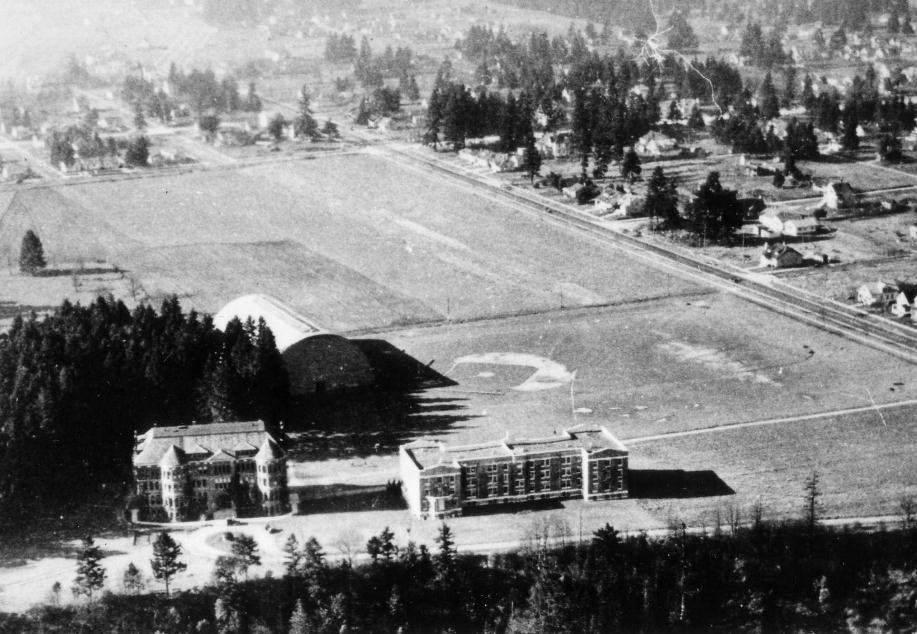
University Archives, 1914 Campus Aerial; Christie Hall (right) arrives in 1911

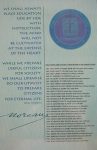
Enrollment for the 1907-1908 school year stood at 159 students.  The University has grown from 1901-2018; from 25 acres to 150, and a current undergraduate and graduate community of 4,200 students.  The new Franz Campus developments bring vastly improved recreational facilities still offering that ample opportunity for physical exercise and outdoor sports so necessary to the developing student.  (1907-08 revised).  This balance of classroom and other activities acknowledges that the whole-person is central to the educational mission defined by Fr. Basil Moreau, C.S.C. (founder of The Congregation of Holy Cross), for all his schools: We shall always place education side by side with instruction, the mind will not be cultivated at the expense of the heart.

University Relations, Franz Campus, architect’s drawing, 2018

Announcement on Franz Campus expansion plan

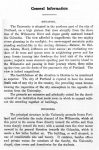
CURRENT BULLETIN: The University is situated on a bluff near the confluence of the Willamette and Columbia rivers in one of the large metropolitan areas of the West.  Located in a residential section of the city of Portland, the 150-acre campus offers lawns, hundreds of trees, and beautiful buildings in a quiet, peaceful setting which is conducive to the learning process.

General Information from Columbia University Catalogue, 1902-1907.
University Archives, Columbia University Catalogue, 1902-07, p. 7
Columbia University Catalogue 1907-1908 Revised.
University Archives, Columbia University Catalogue, 1907-1908, revised, p. 7
Poster listing all of the Holy Cross Educational institutions in the United States.
University Archives, poster, Holy Cross Educational Institutions in the United States

Filed Under: Campus - Landscape, Campus - Landscape 2

Founding Visions

February 6, 2018 By Carolyn

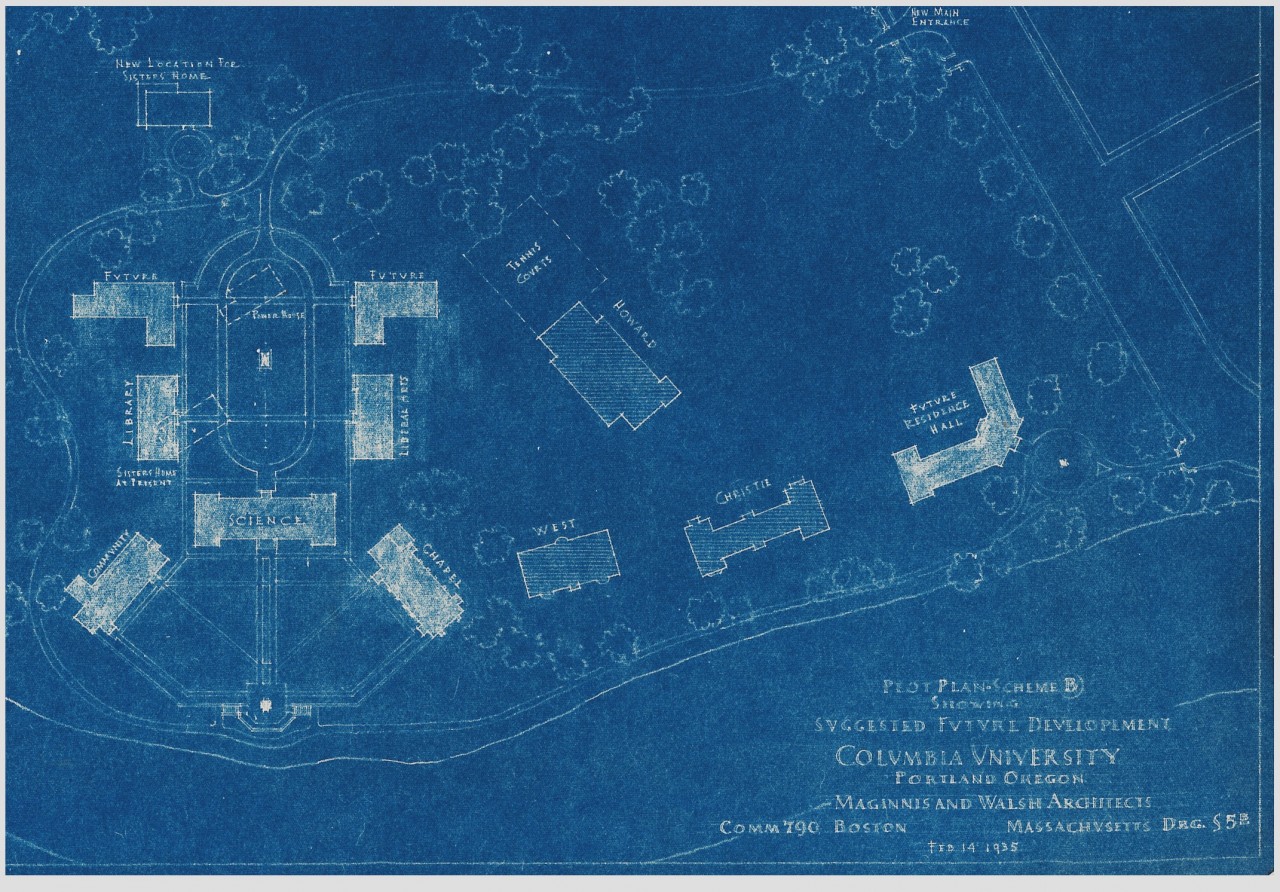
Plot Plan Scheme B, 1935 (University Archives, click to enlarge)

Jacobberger & Smith Map legend (enhanced), 1927 (University Archives, click to enlarge)

When our school began, West Hall stood alone high on the Bluff.  By agreement between the founders Archbishop Alexander Christie and Fr. John Zahm, C.S.C., a condition for passing ownership and control of the University from the Archdiocese to the Congregation of Holy Cross was the construction of a significant, permanent building on the campus grounds within ten years of the transfer of title.   In 1911, Christie Hall became the second brick-and-stone building on the Bluff (named as thank-you for the Archbishop’s unstinting support of the school and students).

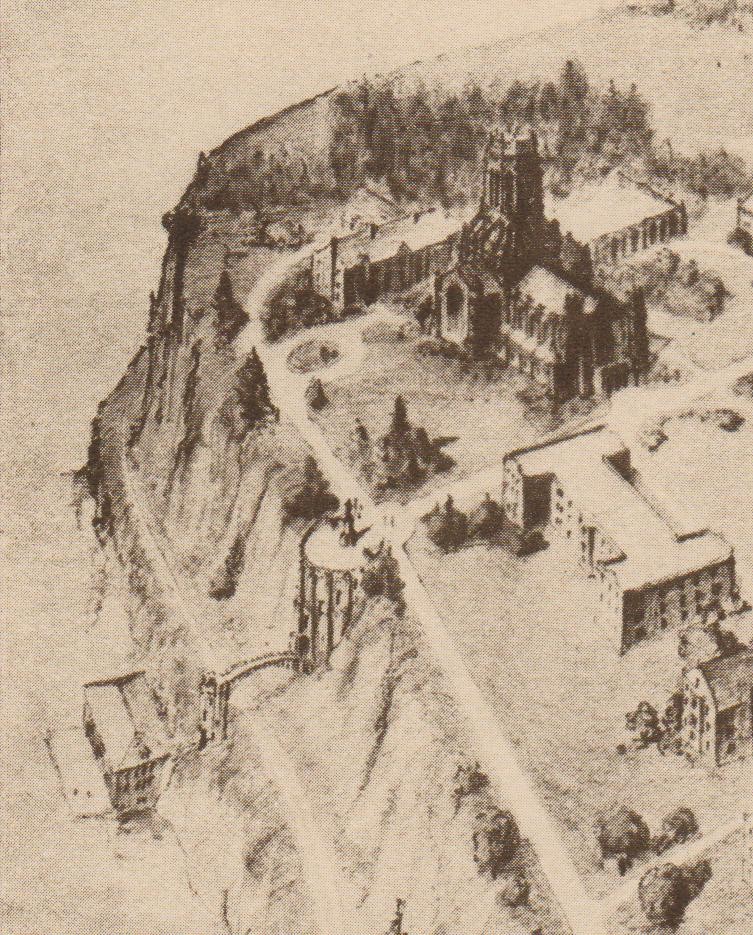
1927 detail, Gothic Chapel and Bluff river-stairs (University Archives, click to enlarge)

Growth continued and the next major facilities investment was marked with the construction of Howard Hall in 1927.  We have sketches from that date showing the first grand plan for campus development (amber map, above).  The proposed Gothic academic village complements the brand new sports / auditorium / convocation center.  Clearly an ambitious project, the plan proposes a Law School as campus anchor, and even razes one of the existing stone buildings.  (There were only three, blithely erasing West Hall (1891), the one building paid for at the time.)  
This 1927 plan never happened, at least not along those lines.  West, renamed as Waldschmidt Hall, is still in use today.  Yet further growth and expansion was not long delayed, with Science Hall dedicated and open for instruction in 1937.

Plotting the location for Science Hall meant rethinking the campus plan once again.  The visionary 1935 plan (blue, above) was discovered lurking within forgotten filing cabinets during the Howard Hall demolition.  The track and field & football stadium facility has been lost from ’27-’37, but the tennis courts (included on this plan) have been a continuing campus feature ever since!  Also notice, our Science building, Romanaggi Hall since 2010, wasn’t in fact dropped into the location where the blue-scheme wanted it to be.  Passing another decade, the Engineering School is realized in brick and concrete in 1947.

Happily the aerial records of the campus show that a dedicated track and a baseball diamond were de facto features of campus from the earliest days; there was never a need of ‘plans’ to ensure our students fielding and supporting athletic teams.

A previous museum blog post related to this topic:
In the Beginning: Day One

Filed Under: Campus - Landscape, Campus - Landscape 2

  • « Go to Previous Page
  • Go to page 1
  • Go to page 2
  • Go to page 3
  • Go to Next Page »

Primary Sidebar

Hours and Location

University of Portland Museum
014 Shipstad Hall

Available by e-email at:  museum@up.edu

Digital Collections

Explore some collections and resources from the Archives and Museum available online through Digital Collections


Social Media

Follow us on Facebook

Follow us on Instagram

Ask Us Anything

Ask Us Anything

We'd Love to Hear from You! Questions? Comments? Topics?

This form is protected by reCAPTCHA and the Google Privacy Policy and Terms of Service apply.

Copyright © 2026 · News Pro with Full Header On Genesis Framework · WordPress · Log in

Subscribe

Subscribe By Email

Get every new post delivered right to your inbox.

This form is protected by reCAPTCHA and the Google Privacy Policy and Terms of Service apply.


Loading Comments...