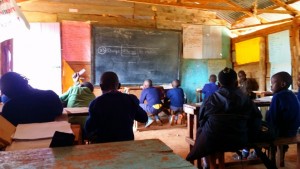
 A lot of my work at the school is intended to address the learning focus. There is much focus on memorization, memorization, memoriza-? Zation, good. Classes are taught with more emphasis on students being attentive and aligning their answers with the textbook’s or the teacher’s than on the creative, independent thinking that has been so integrated in to my own education. When I said that American high school students only have six or seven subjects at once, my coworkers who must test in and pass 14 subjects in grade 12 liked to try and convince me that the Kenyan school system is much harder than the Ameri-? American, yes. In Class Eight (the age equivalent to the American Grade Eight), students take a national exam which is intended to determine which quality of high school they will attend, the national level schools being the most sought after. Typically students in the city schools perform better on this exam because of better funding, resources, and infra-? Infrastructure, yes good. The rural school at which I was working was a bit of an outlier in that its scores competed with some of the city school’s scores, despite the distance some students had to travel each morning and the lack of incredible buildings or materials.
In order to best prepare for the Class Eight exams, Class Eight students at my school are boarding students. Girls sleep in one of the rooms of the homestead just behind the school field and boys sleep in bunks in a room next door to one of the classrooms. This proximity to school removes wasted time in travelling to and from home every day. They can then begin class by 5am daily and work until 8pm. They have about 3 half hour to hour long breaks throughout the day.
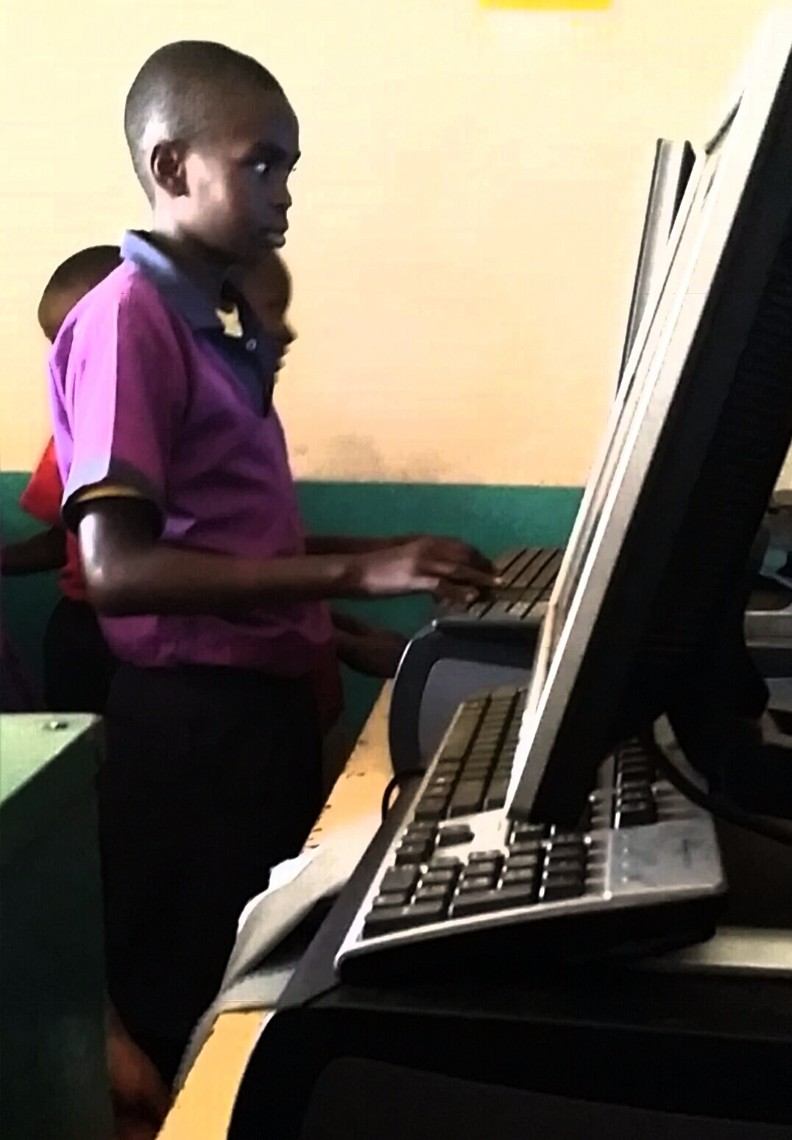
For all students in all class levels, the afternoons are sometimes spent on extracurricular activities such as preparation for music festivals, counseling sessions, debate practice, or computers. But most other times are spent in the classroom copying, reciting, and testing. Homework that has not been checked and signed by a parent may be cause for physical punishment. The snap-snap-snap-snap-snap-snap of the thin cane is heard periodically throughout the day when passing by the cla-? The classrooms. Most students know how to be obedient. Others have budgeted for the certain price of failing to please the differing expectations of certain teachers on certain days.
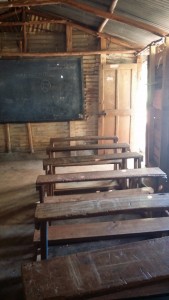 In part, good scores are encouraged through a public display of student ranking. Biweekly or sometimes even weekly, tests are given. Each test comprises five subjects which take about two hours each. Once the tests have been scored, summed, averaged, ranked on cell phone calculators, and then entered on red-pen lined sheets of graph paper, every student of every grade is called forward during morning assembly in order of their score with respect to their classmates. Good scores are considered the key to a successful future, and bad ones the equivalent of a slow and painful death. The road to hell was the metaphor used by the school’s director during one of the monthly teacher meetings to describe the students who needed more attention.
Not only is competition among the students highly encouraged, but also competition among the teachers. Never before had I considered the worth of a teacher to be so connected to the success of her students. I heard it said that if your students are performing poorly, you are failing them and when they are older and have become thugs will come and destroy your home. When class eights are given gifts to incentivize their numerically high achievement (notebooks for the highest scorers of each subject), teachers are given monetary rewards (200 bob ≈ 2USD for the teacher with the highest scoring pupils in each subject). An emphasis on critical thinking may be lacking, but so too is the guarantee that opting for critical thinking methods would be benefi-? Beneficial.

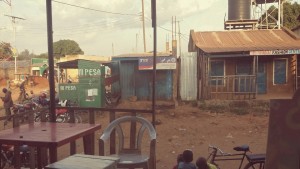 This may be somewhat counter intuitive to a first glance at the market place. It may seem as though there is much idling. Indeed the supply of boda boda taxis much overcompensates the demand for them as they congregate at the corners and on Sacco stages, sometimes sitting and waiting for hours for a single passenger. And frequently people miss work for multiple-day funerals or other family-functions. But the intent is there, the will to work is very much there.