• Skip to primary navigation
  • Skip to main content
  • Skip to primary sidebar

Moreau Center Social Justice Programs

  • Home
  • Immersions
    • Affordable Housing
    • Border Immersion
    • Civil Rights
    • Community Organizing and Resistance (CORE) Immersion
    • Environmental Justice
    • L’Arche Bologna
    • Nicaragua
    • North Portland Civil Rights
    • Rural
    • Tanzania
    • Urban
  • Service Plunge
    • Blog Updates
  • Interns for Justice
  • Donate
  • Archived

liwanag

How To Fold An Origami Fortune Teller

May 13, 2022 By liwanag

Friday, May 6, 2022

“It’s ok if you all need help,” I tell them. We’re folding an origami fortune teller. My fingers feel the white printer paper and the children around me shape their colorful construction paper. Just a couple of hours ago, we transformed the Trinity Community Center to a green jungle using paper rolls, construction paper, glue, and our hands. Now, the local children from the Hollygrove neighborhood are keeping cool under the dense jungle from the bright New Orleans sun. But this is no ordinary jungle, this is a jungle full of potential.

“I need help making a square. Can you help me, please?”

“You fold it like this, right?”

“What else can you make?”

The children ask me questions. It’s 5 pm, their school day has already ended; yet, they still seek answers. This is our third full day in Louisiana and today we are volunteering in the Trinity After School Kids program lasting from 3-6 pm. While the inside of the Trinity Community Center is decorated with green paper, the outside is marked with a horizontal blue line 5 feet above the grass. Now this is the waterline of hurricane Katrina that occurred 17 years ago.

Inside, the children, ranging from ages 5-11, finish making their fortune tellers. We fold the four corners of the square to the center of the paper. We then repeat the process to shape the paper to an origami fortune teller. The children are shaping their world. Today, the children created their own fortune tellers. But what makes this origami model different from others is the ability to write your own fortunes in the paper.

“You’re cool”

“Be my friend”

“You’re ugly”

“You can now fly”

Everyone is free to write anything on their paper. The children wrote on their paper and played with it until their parents came. In the near future, these children, along with many more in this country, will find themselves upon the fortune tellers of society. Whether or not we spread words of encouragement or act on behalf of oppression, what we write down on our paper will affect the life of these kids.

– How to make a fortune teller

Materials: One square paper of any color. One writing utensil.

Step 1: Fold the four corners of the paper to the center.

Step 2: Flip the paper around then fold the four corners of the paper to the center again. This creates a smaller square.

Step 3:  Fold and unfold the square in half both ways, horizontally and vertically.

Step 4: Open the paper up using the crease lines and make sure the 4 flaps spread out.

Step 5: You are now free to write anything on your fortune teller. I would recommend choosing words of love over hatred.

-Eduardo Gonon
Filed Under: Civil Rights Immersion 2022

Sunday, May 9, 2022

May 11, 2022 By liwanag

Today we went to a Baptist church for the Mother’s Day service, and it was incredible to see the energy and passion brought by everyone. Many of us had never been to a Baptist service so the dynamic was new to most folks on the trip but was nonetheless appreciated and admired. The message that day was focused around being a Christian and the pastor was saying that just because you show up to church every Sunday and go through the motions doesn’t mean you are a Christian. Connecting this back to social justice, we discussed during reflection how as volunteers and activists, we cannot simply show up to show face. We must show up for the right reasons and by the right means. 

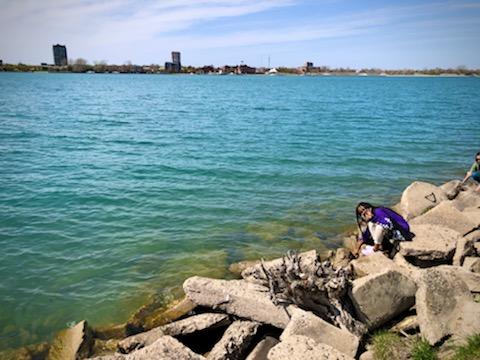
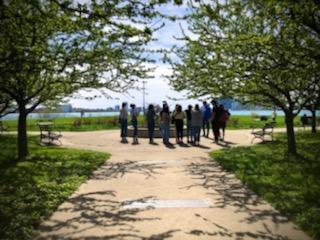
Later that day we got a tour of the city by one of the founders of the hostel we were staying at. Locations we visited included Belle Isle, Cliff Bell’s Jazz Bar, and the house of the founder of Motown, Berry Gordy. Belle Isle is an island in between Detroit and Canada that is frequented often in the spring and summer due to the incredible views, aquarium, and park. We learned that the park that was once owned by the city is now managed by the state due to Detroit’s bankruptcy back in 2014. This has caused many changes to the park’s rules which make Detroiters feel less connected to the park they once felt welcomed to. From this tour and through many of our outings, it is evident that there is a great sense of pride that Detroiters have for their city. Many community members state that the history and current state of Detroit is often misunderstood by outsiders. It’s amazing to see the passion that is put into this city by those that want to reinvest in the neighborhood and city they grew up in so they can give back to the place that cultivated their growth as people.

-Angela Wipfler and Jennifer Alvarado-Rubio

Photos from Belle Isle

Filed Under: CORE Immersion 2022

Saturday, May 7, 2022

May 11, 2022 By liwanag

Today we had a slow morning and went to Eastern Market which is a Pike Place-like farmers market with around 225 vendors. We lucked out with the weather being sunny and warm, so it was no surprise that the market was packed. We then had a free afternoon so a few of us took a walk to downtown which took around half an hour and explored the city. 

After our city exploration we made dinner and went to the Congress of Communities (COC) event for youth that was planned by their youth council. The event started with a few speakers, then dinner followed by games and dancing! We asked how long they had been planning this event and they said they started organizing back in October! It was inspiring to see the amount of work the youth puts into their community. 

-Angela Wipfler and Jennifer Alvarado-Rubio

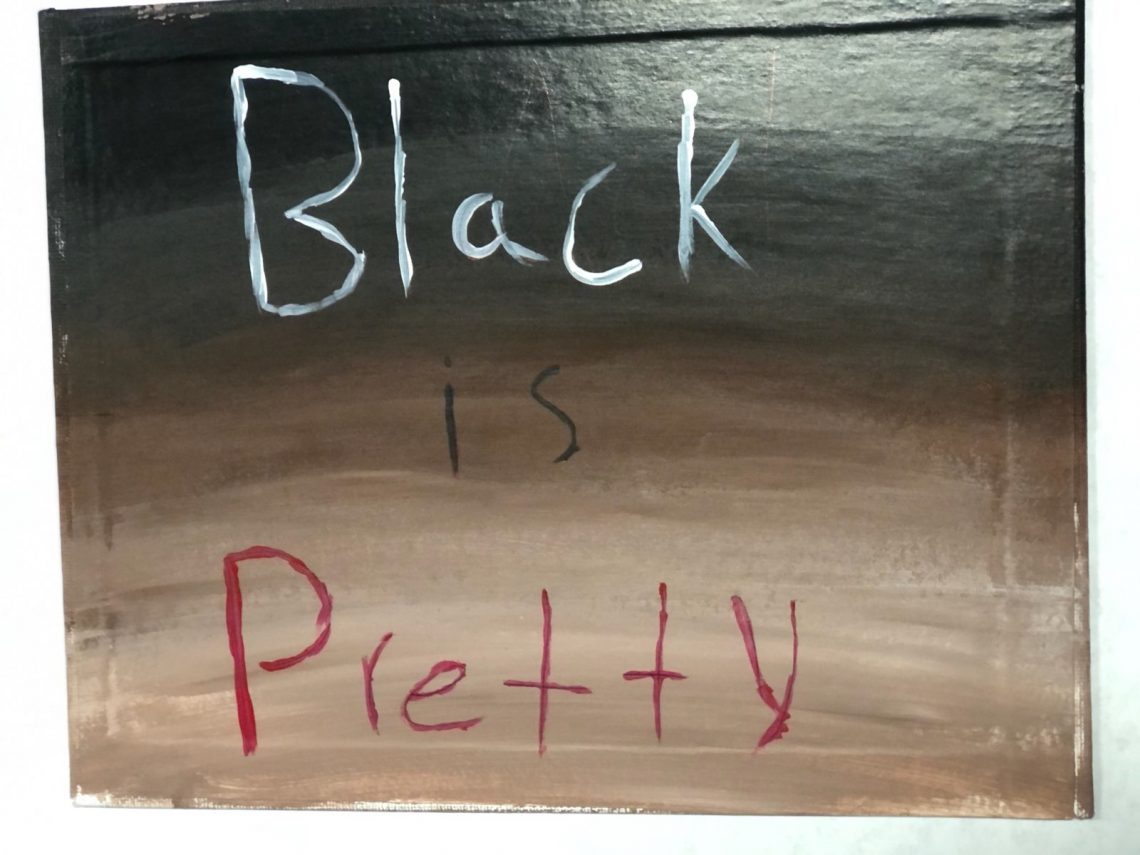
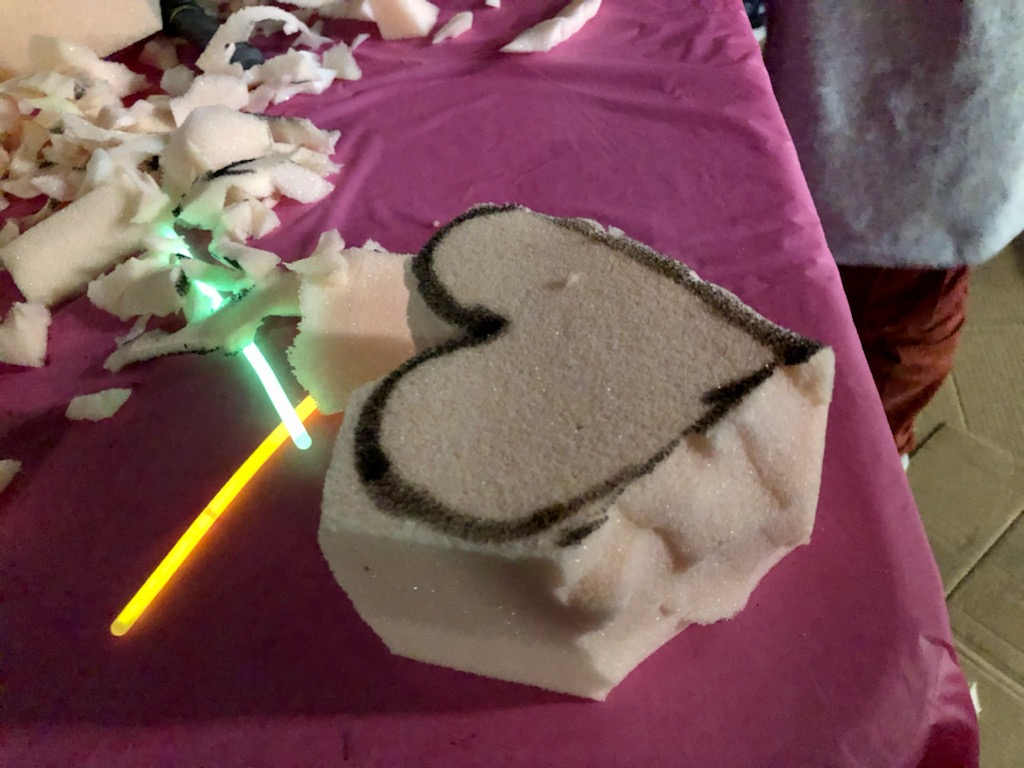
Photos taken from the Social Justice after Dark youth event with art created by youth.

Filed Under: CORE Immersion 2022

Friday, May 6, 2022

May 11, 2022 By liwanag

On Friday morning we departed to Detroit Mercy University to assemble and deliver produce bags for the local community. Following the distribution of produce, we drove to get lunch at Farmacy Foods which is a Detroit based organization that partners with local farmers to make delicious food for Detroit residents. We met Chef Phil Jones and neighborhood block leaders to get to know more about sustainability, nutrition, and surrounding issues related to food distribution and accessibility. 

During the afternoon we headed to Dearborn to explore the Arab American Museum. The museum was full of insightful and interesting exhibits about the Arab culture. Following our visit to the museum, we headed to a nearby falafel house for some delicious food!

-Angela Wipfler and Jennifer Alvarado-Rubio

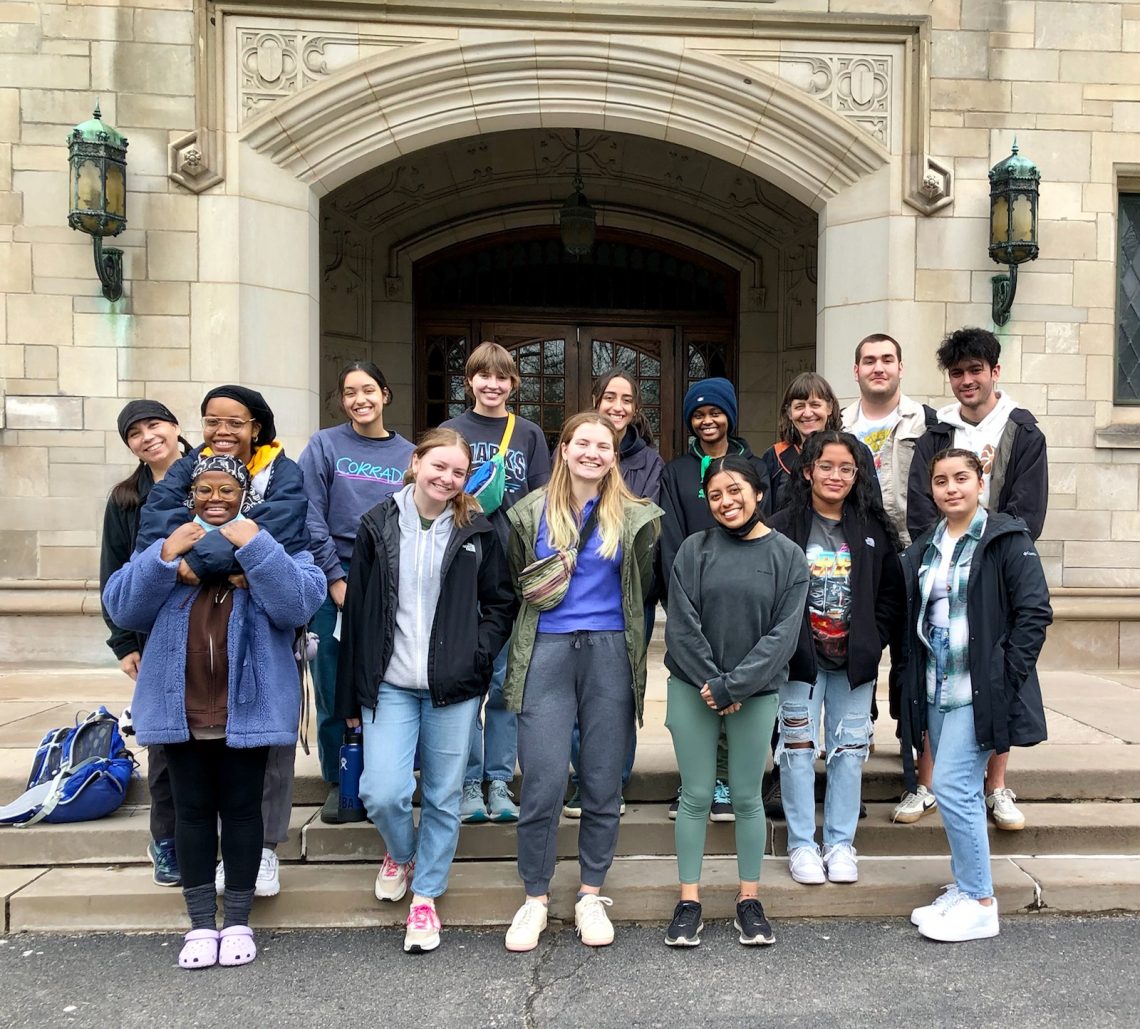
Our group with students from Detroit Mercy.
We each received handmade gifts from one of the residents/block leaders.

Filed Under: CORE Immersion 2022

Starting our Immersion in New Orleans

May 9, 2022 By liwanag

Wednesday, May 4th, 2022

On Wednesday morning we woke up and had breakfast and made some lunch at the University of Holy Cross. We then travelled to City Park where we ate beignets and explored the sculpture garden.

Our main stop of the day was Studio Be, which is an art gallery. Studio Be was established by Be Mike, a New Orleans artist, and focuses on the generation Black American activists who became known during Obama’s time in office, the resurgence of interest and activism related to law enforcement violence, and the emergence of the self-care movement. There were a variety of art mediums from sculptures to paintings to videos. One piece of art that stood out to me was a upside down police car on the bottom and on top were two living room chairs. According to the artist the art was created out of the question about what would society look like if we had more mental health and community resources.

For dinner we went to Wednesday at the Square and ate dinner, walked around, and listened to live music. It was a good way to start our time in New Orleans.

-Brooke Niemer

Thursday, May 5th, 2022

Today’s day was rather interesting. Our first task of the day was going through the French Quarter and studying the historical slave market through a self-led tour and visualizing the past presence of slave history. After that we had lunch at Congo Square, a celebratory ground where people who were enslaved used to meet and sing.

In the afternoon, we visited Leona Tate, an extremely inspiring woman that led us into a path that explained her journey of desegregation. Her organization is a rather inspiring reminder of the importance of respecting all people and communities.

-Prarthna Chona

Filed Under: Civil Rights Immersion 2022

The Power of Storytelling

March 10, 2022 By liwanag

Narratives or stories are powerful and show up in every part of our lives. We watch, listen, and learn about stories every single day of our lives. Stories are a retelling of characters’ experiences and their problems. The reason why we enjoy and attach ourselves to stories is that we want to understand how characters, settings, events, actions, interactions, and results are all interconnected with each other. However, the purpose of why stories are so important is that they create and re-create meaning(s) through interactions and public messages. 

The importance of storytelling was a recurring theme that I experienced throughout the whole immersion, especially when we meet with Bruce from Vanport Mosaic. Vanport Mosaic is a memory-activism platform that amplifies, honors the present, and preserves the silenced histories that surround us to understand our present and create a future where we all belong. Vanport Mosiac amplifies the stories of Portland’s African American Community to expose the struggle, perseverance, and resilience that continues today. 

The presentation of multiple first-person narratives exposed personal thoughts, feelings, and experiences. The things I learned from these narratives helped me understand more aspects of Vanport. Beatrice shared that she didn’t realize she was homeless until later in her life. Jackie shared that they had to learn to meet people and experience new cultures in Vanport because everyone who lived in Vanport was from other parts of the country. Lurlene shared that people don’t talk about Vanport. Lee talked about the segregation in the city of Portland, but also in Vanport. Ben shared that there are so many opportunities to hate, but you can use that hate to drive for change. Myrtle shared that she lost everything during the flood because people thought they could go back and get their stuff. Kent shared that getting on the street is easy by just organizing and educating those to create change. Donna shared that she didn’t just lose her house, but also her church, her parent’s business, and her community. Even though these are specific parts of each story that caught my attention, each story has so many more messages that are important for the history and experiences in Vanport. Listening to different stories exposes issues that were not brought up before and/or need to be discussed. Being an Organizational Communication major, listening to these stories helped me understand systems and structures that are purposely placed in our society. 

The reason I signed up to participate in the North Portland Civil Rights Immersion was that I realized I did not have any historical knowledge about the city I reside in. The University has no aspect of the curriculum or an option to take a Portland history class. I felt like I needed to find a way to learn more about the history of Portland. Throughout this whole immersion, I have learned about the history of Vanport, the African American community, and so much more. The best part of this immersion was listening to every single narrative because each one was unique. Having over a year left of my educational journey, I can’t rely on the classroom to be my only source of historical knowledge. Sometimes you have to seek out history and deal with the real world on your own time.   

By Bella Metcalf 

Filed Under: North Portland, North Portland 2022

Visiting New Columbia

March 10, 2022 By liwanag

Tuesday, March 1st was a day spent engaging with the community and getting to know how people interact and build community despite change. Previously during this immersion, we had learned about the Columbia Villa, a public housing site that housed predominantly low-income people of color. In 2001 the neighborhood received a grant that enabled the revitalization of Columbia Villa into New Columbia. We spent the day visiting the neighborhood with the goal of understanding what life was like, and how the revitalization efforts affected the residents. 

We started the day meeting with Shalonna Jackson and Michael Mangum, two community organizers who work for Home Forward, which is an organization that focuses on blending affordable rental homes as well as owner-occupied homes to revitalize the New Columbia neighborhood. Shalonna and Michael spoke about their experiences with working with Home Forward as well as the history of the neighborhood. 

Next, we talked to two women, Lei and Larena, who worked at the Charles Jorden Community Center in the New Columbia neighborhood. They spoke about the importance of the community center and how it plays a role in creating a sense of belonging for the residences.

Afterwards, our group spent time cleaning the neighborhoods’ community garden. During this we got the chance to speak with one of the members of the neighborhood. She told our group about how the garden provides a deep meaning to her because it gives her an outlet to engage with others in the community as well as spend time outdoors. To me, this encounter was significant because it made me realize how having a sense of belonging and community can be so impactful for peoples’ well-being. We ended our time at New Columbia talking with Charles, who works for the local grocery store in New Columbia. He shared his food, coffee, and experiences with our group.

Throughout all our interactions with people in New Columbia it was clear how passionate they were about their community and how eager they were to share their passion with our group. I left this experience feeling inspired to engage in my own community in a more meaningful way, as well as hopeful to the future of New Columbia because of the passion the community members expressed.

After our long day of visiting New Columbia, we went back to the Church where we were staying and invited member of the Church over to join us for dinner. Reverend Marva brought us her homemade pie, cake, and lasagna, all very delicious! We spent the night exchanging our stories and hearing about their personal experiences. We also learned about the Church’s history and how gentrification has led to the Church’s decline in membership. 

Throughout the day I felt immense gratitude towards those who shared their stories with our group, as well as a gratitude for those who care deeply for their community. Getting to understand the passion and care people have for their community was contagious and made me want to engage in my own community more.

By Kari Thordarson

Filed Under: North Portland, North Portland 2022

Imagining Home

March 10, 2022 By liwanag

Today we watched the movie “Imagining Home” which focused on the sense of community that existed in the Columbia Villa neighborhood and the effects of the renovation project that took place in 2003. This neighborhood was created during World War II as a homing community for shipyard workers, and after the war it became a public housing site. In the following decades this neighborhood faced economic and social isolation, a surge in violence and the buildings were in deteriorating conditions. In an effort to provide better living conditions for its residents Columbia Villa through the funding of the HOPE IV program were able to rebuild the neighborhood and integrate them more into the surrounding communities. With this renovation project people were forced to relocate for 2 years until the building of New Columbia ended. In this new community affordable and owner-occupied homes were integrated as to create a community with people of various social standings. Although, the project in the eyes of developers would revitalize this community that had been long forgotten families feared the end of a resilient community. 

When watching the movie, a newer resident of the Villas said that those who look down on the community could end up there if a family member dies or if they lose their job; therefore, the line separating the Villas residents from the outside is very thin. This struck me as she shared her story about how she ended up there, especially since she owned a house with a white picket fence, which so many associate with the American dream. Unlike other people the Villas were a sign of hope for this woman and her family in their escape from domestic abuse, to keep going forward. Since the people who lived in that region were mostly low-income people of color, her narrative had a big impact on me as one’s financial situation can change abruptly and what we know to be true can change just as fast.

By Araceli Lara

Filed Under: North Portland, North Portland 2022

  • « Go to Previous Page
  • Go to page 1
  • Go to page 2

Primary Sidebar

  • Facebook
  • Instagram
  • Twitter

Contact Us

Moreau Center
St. Mary's Student Center, MSC 162
5000 N. Willamette Blvd.
Portland OR 97203

T: (503) 943-7132
E: moreaucenter@up.edu

Hours: 8:30am-4:30pm
Monday-Friday

Copyright © 2026 · News Pro with Full Header On Genesis Framework · WordPress · Log in