• Skip to primary navigation
  • Skip to main content
  • Skip to primary sidebar

University of Portland Museum

  • Home
  • About
  • List of Entries

School History 2

De-ja-vu all over again

January 28, 2016 By Carolyn

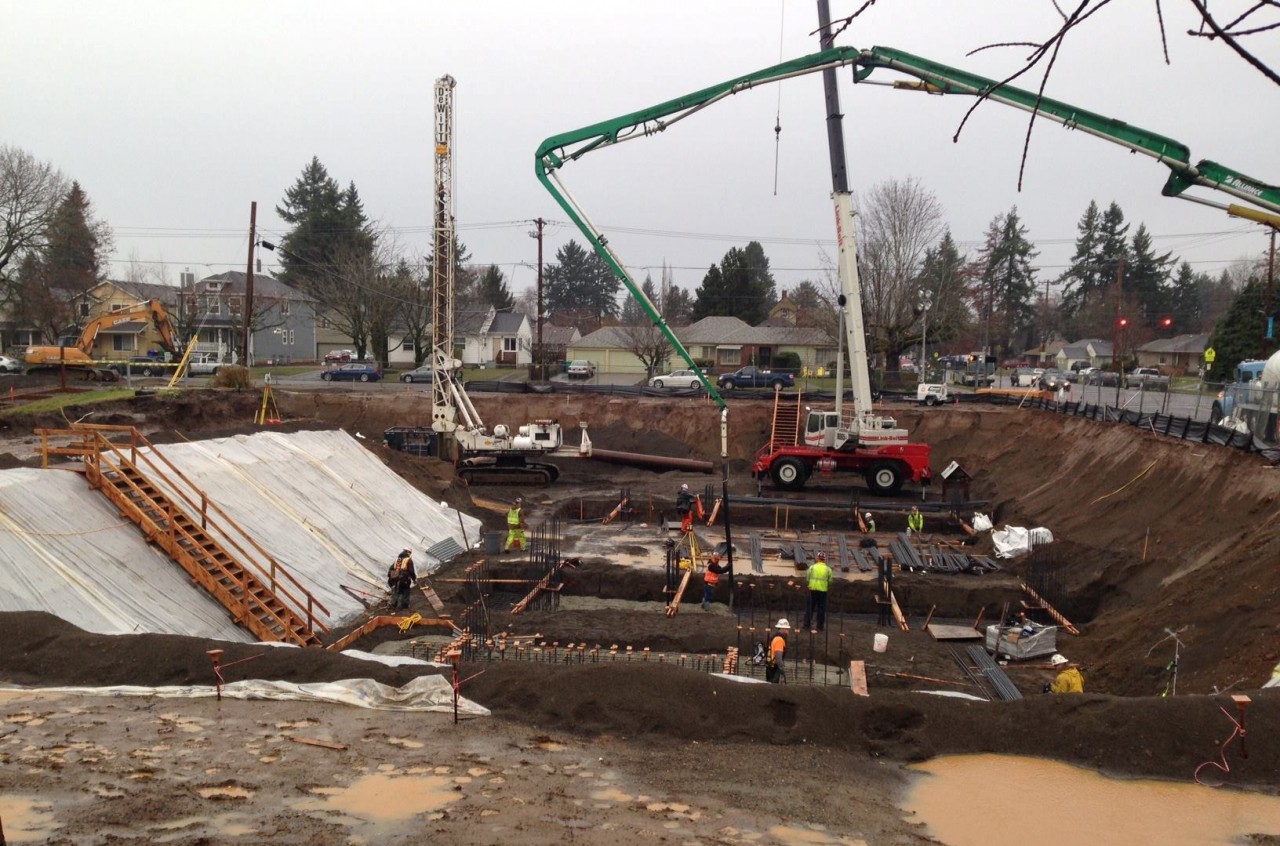
New Residence Hall Construction, January 2016 (UP Residence Life photo)
New Residence Hall Construction, January 2016 (Photo courtesy of Chris Haug, UP Residence Life)

The slowly filling hole in the ground at Portsmouth and Willamette is slated to be occupied by 270 students in state-of-the-art, weather-sealed residence units by August, when the 2016-2017 term begins.

The new residence hall is as yet unnamed.  Which takes us back fifty years when an earlier building was announced for campus in 1964, intended to house 400 students with a projected cost of $1.8M.  By 1965 plans were scaled back to 260 students at $1.25M.   When ground was broken in July 1966 the construction plan allowed a full year to finish and occupy the building before August 1967.

Still, even then, an anxious touch-and-go proposition, according to the weekly Faculty News & Notes: “the men’s dormitory will pass the halfway mark in allotted construction time.  At last report the project is on schedule with about 35% of the work completed”, February 10, 1967 (emphasis added).  But the building appearing on 1967 Campus Maps as New Men’s Dormitory was ready, and received the first class of student residents in August.  It was another two years before the building received a christening; dedicated April 9, 1969 as Shipstad Hall; named for UP benefactor and Dad (two children attended UP) Eddie Shipstad, who received an Honorary Doctorate of Fine Arts in 1963.

So welcome Unnamed Co-ed Residence Hall of 2016.  Shipstad Hall was delayed two years getting a name, and waited 20 years before becoming UP’s first co-ed residence hall in 1987, but was there on-time when students arrived and is still proudly serving today.

(Click to enlarge photos)

Shipstad Hall Construction, September 1966 (University Archives photo)
Shipstad Hall Construction, 1966-67 (University Archives photo)

Filed Under: School History, School History 2

Sanctuaries

October 1, 2015 By Carolyn

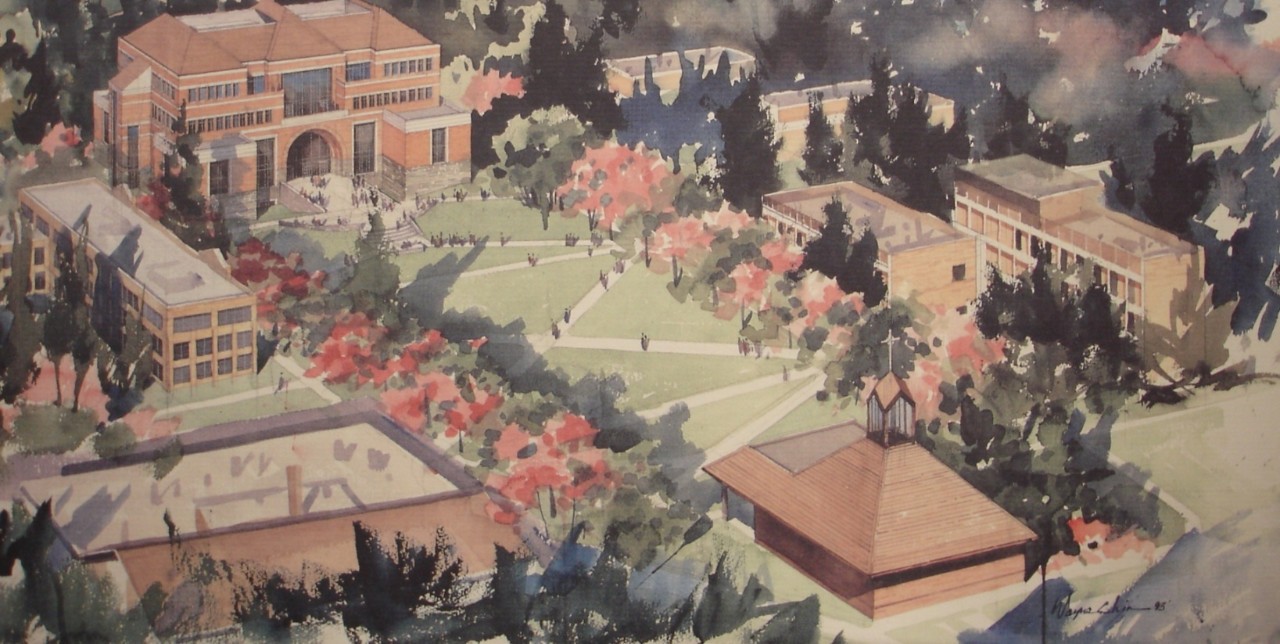
Academic Quad by Wayne Chin, 1993 (University Archives)

A University campus is a space set apart, consecrated — classroom and quadrangle — space for mind and spirit to soar.  At UP, each residence hall has additional space set apart for a student chapel as an anchor or sanctuary for private prayer and reflection and hall Mass liturgies.

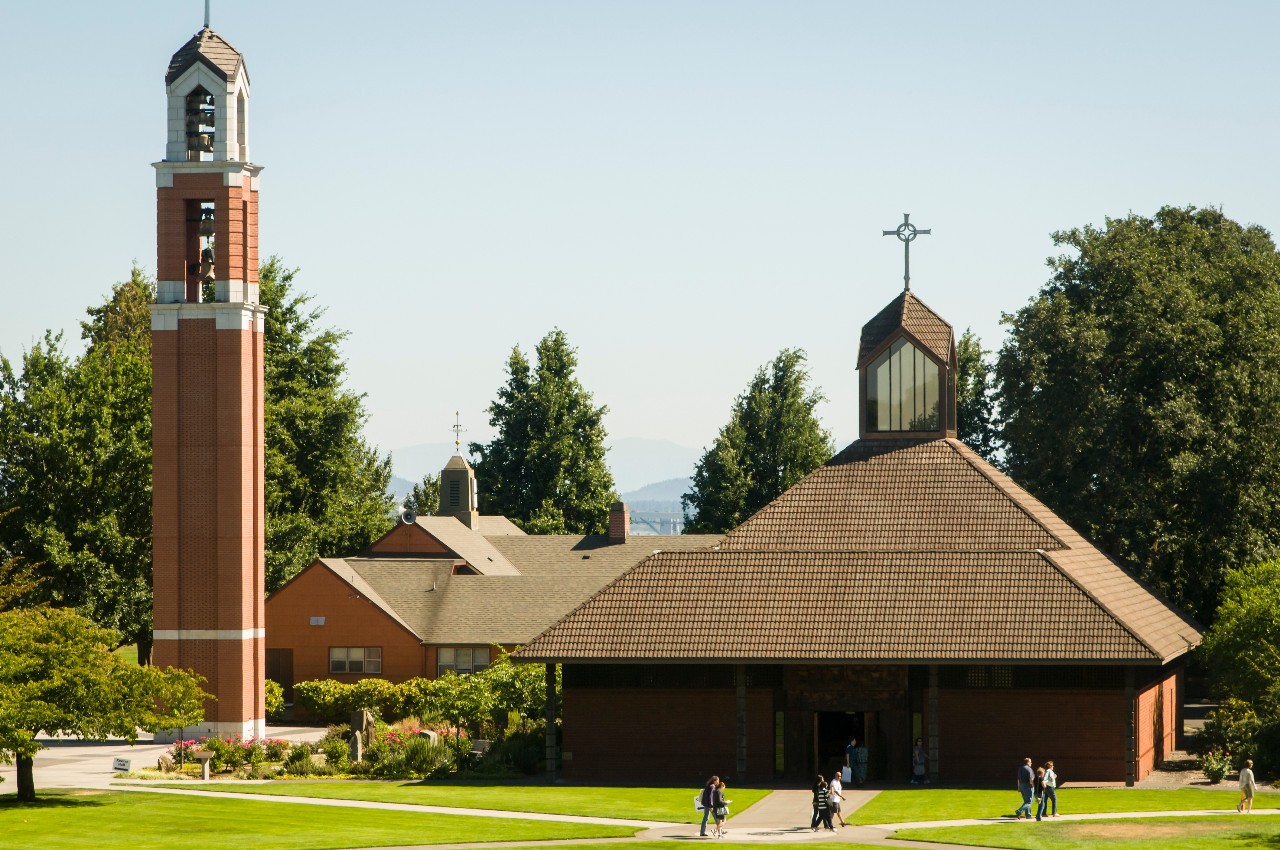
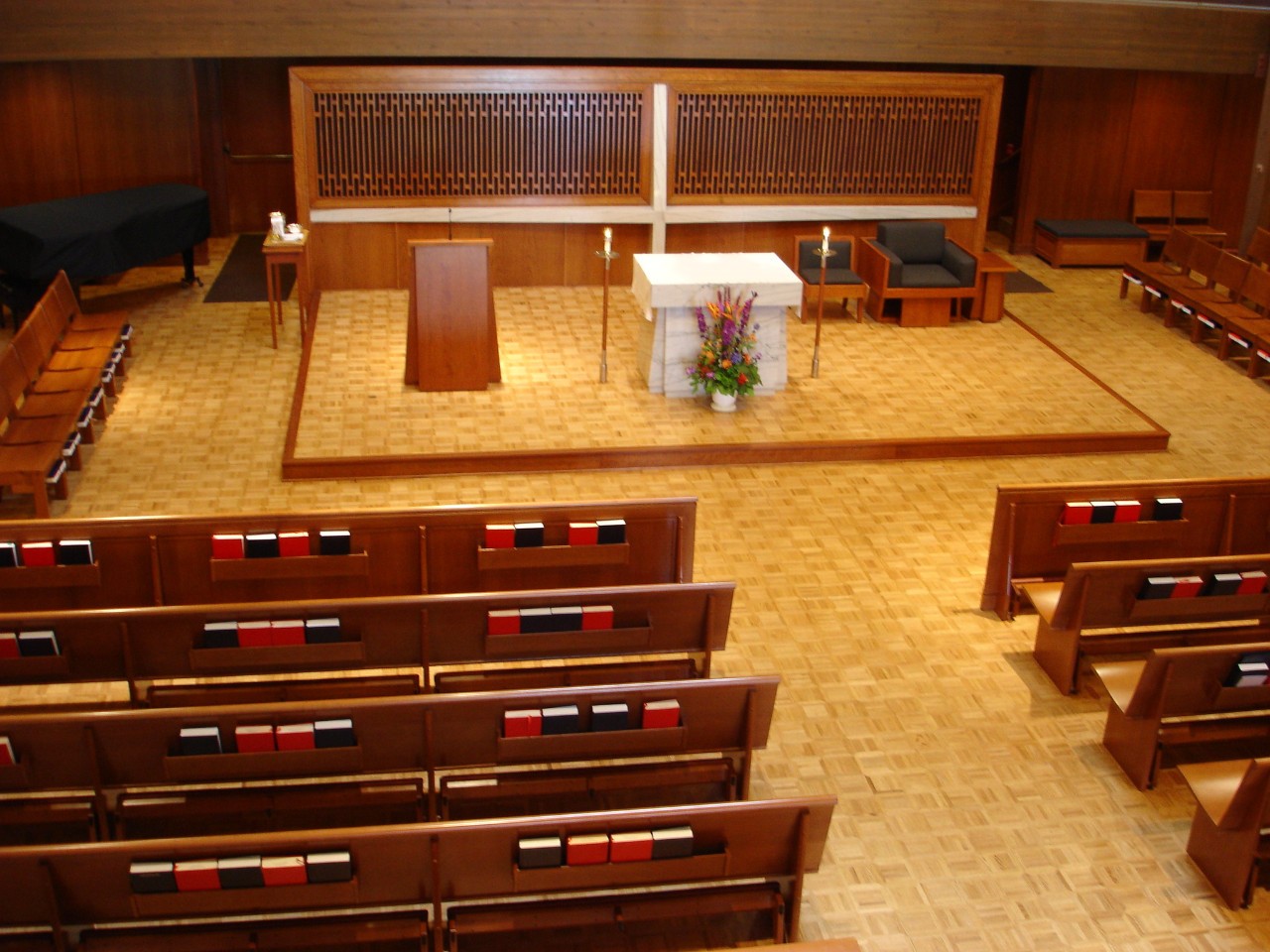
The Chapel of Christ the Teacher squares the Academic Quadrangle, flanked between the Commons for food, Buckley Center for classes.  Feeding body, spirit, mind on the Bluff.  Designed by Oregon architect Pietro Belluschi, with wood carvings by Oregon artists LeRoy Setziol (doors, posts, lintels), the Chapel is a cool building with Oregon textures, a place of quiet and reflection within.

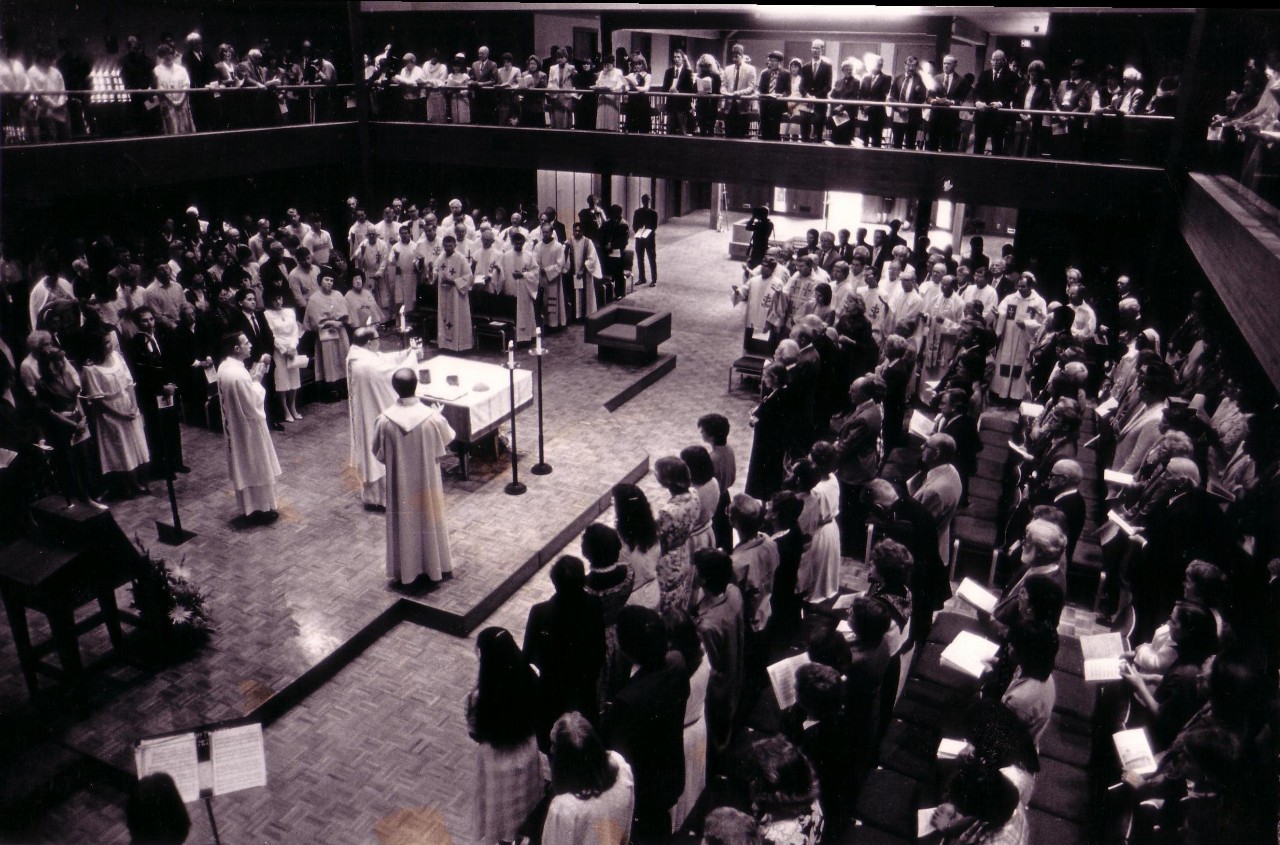
Dedication of Chapel of Christ the Teacher, October 5, 1986 (University Archives, click to enlarge photo)
Dedication of Chapel of Christ the Teacher, October 5, 1986 (University Archives, Click to enlarge photo)

Dedicated October 5, 1986, the 2001 brochure notes: “The Chapel of Christ the Teacher is the University’s mission encapsulated: a space for teaching and learning, for prayer and spiritual journey, and for service to others – which, of course, is active prayer.”

Chapel of Christ the Teacher and Bell Tower, Bruce Foster photo, August 2012 (University Archives, click to enlarge photo)


Chapel of Christ the Teacher, July 2015 (University Archives, click to enlarge)

Filed Under: School History, School History 2

A Given Life: The Pioneer Four

September 23, 2015 By Carolyn

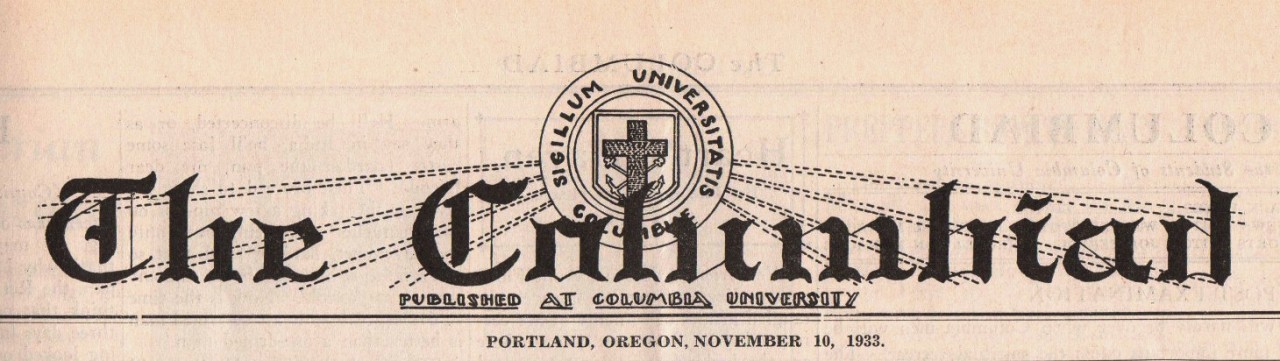
The Columbiad Masthead, 1933

Our school was founded by Archbishop Alexander Christie and opened for business in 1901.   But from the first Archbishop Christie thought the school should be in the hands of educational specialists and so brought Holy Cross religious to Portland from Notre Dame, with the result that in 1902, Rev. Michael A. Quinlan,  C.S.C. became the second president of Columbia University.  The first team from Notre Dame was Quinlan, Fr. William Marr, C.S.C., Fr. Patrick Carroll, C.S.C., and Brother Wilfred Schreiber, C.S.C.  Marr and Carroll stayed two years, through 1904.  Fr. Quinlan was succeeded by Fr. Joseph Gallagher, C.S.C. in 1906.  Bro. Wilfred stoked the furnaces and ran the heating plant until 1933, when blood-clots and phlebitis side-lined him at the age of 60.

Over three decades, Bro. Wilfred’s ministry was dedicated, behind the scenes, invisible.  The understated tribute in the student newspaper announcing Brother’s retirement (shown here at the bottom) defines once more the particular and human meaning of a life given in consecrated religious friendship.  The students’ words, printed on PAGE ONE, show Bro. Wilfred present in the awareness of the students, who know his name, his humor, and his devotion.  Our second exhibit is the only extant photograph of Bro. Wilfred, near age seventy.

The Columbiad, November 10, 1933 (University Archives, Click to enlarge)
Brother Wilfred Schreiber, C.S.C., ca1949 (University Archives, click to enlarge)

Filed Under: School History, School History 2

Broken Wall Memorial is Broken

August 4, 2015 By Carolyn

The Broken Wall Memorial located between Christie and Howard Halls is currently broken and under repair.

The veterans’ memorial has been an evolving site.  The first element is the Praying Hands segment, dedicated in 1948 as memorial and tribute for members of the UP family who served in World War II– the names of those who died in the war are engraved on the bricks, the total number of bricks is equal to the number of students and alumni who served.

In 1948 the Praying Hands wall was the eastern most structure on campus – ten years before Kenna Hall and twenty before Shipstad.  Landscaping was minimal.  We just had not yet filled in the space between West Hall (now Waldschmidt) and Willamette Boulevard.

Into the 1960s the Praying Hands monument was incorporated along with recognition of our AFROTC program at the outdoor Military Mass, which itself was part of Campus Day events.  The square border-hedge dates from 1962.  No sheltering trees yet, but the fire-plug has been in-place since 1951.

The familiar look comes from 1990, when Broken Wall segments were added to the Praying Hands around a circular pavement.  More shrubbery was added.  Also, from 1990, we have maintained the continuous tradition of UP cadets from Air Force ROTC and Army ROTC squadrons mounting 24-hour vigil for Veterans’ Day.  November 11, 2015 will mark the Twenty-fifth year of this observance.

(Click on image to enlarge)

Praying Hands Memorial, 1951
May 9, 1962
May 9, 1962
Campus Day, 1965
Campus Day, 1965
Dedication, 1990
Dedication, 1990
Praying Hands, 1990
Praying Hands, 1990
Berm, 2015
Berm, 2015
Broken Wall, 2015
Broken Wall, 2015
Repair in Progress, 2015


Filed Under: School History, School History 2

Cannons on the Bluff

April 23, 2015 By Carolyn

One of the Frequently Asked Questions posed to the University Archives and University Museum blog is “Who moved / Where are the CANNONS?”

Cannons in front of Science Hall, Chemistry Annex in background, 1958 (University Archives, click to enlarge)

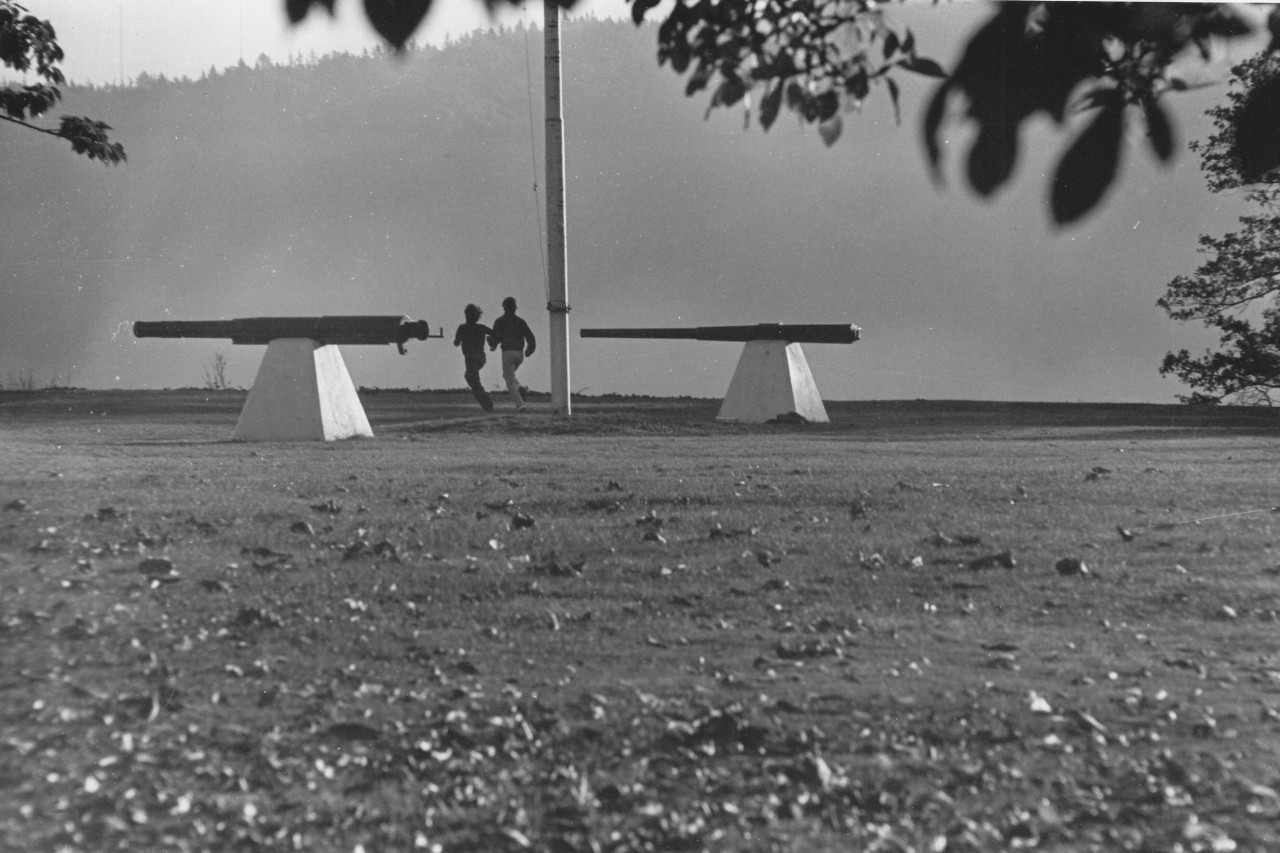
A fixture on the Bluff for nearly 60 years, two vintage United States Army Ordnance Department guns were brought to campus through the efforts of physics professor, Brother Godfrey Vassallo, C.S.C.  One cannon was an 1,860 pound anti-aircraft gun from Watervliet, NY and the other a 3,147 pound gun from Aberdeen Proving Ground in Maryland.  In 1939 the cannons were installed on the Bluff, pointed toward the city, overlooking the Swan Island Shipyards, flanking the new flagpole erected that same year by the Engineering club.  Although the rifling was scored to prevent firing, enterprising UP students rendered the cannons operable within days of arrival.  Equally foresighted University officials saw to it that the restored cannons were then permanently decommissioned, converted from war to peaceful purpose.  Known as the “Kissin’ Cannons” after the site became a popular post-parietals after-hours cross-roads for dating couples.  When plans for a new science building were realized, the cannons were relocated in 1998 to make way for Swindells Hall.  Today the cannons reside one at Camp Withycombe in Clackamas and one at the American Legion Post 45 in LaPine, Oregon.

Two runners passing by two cannons.
Two runners pass by cannons on the Bluff, 1971
Two cannons positioned in front of St. Mary's.
Two cannons in front of St. Mary’s, 1967
Two cannons in front of Chemistry Annex and Science Hall.
Cannons in front of Science Hall, Chemistry Annex in background, 1958 (University Archives, click to enlarge)

Sources:
Fr. Barry Hagan, C.S.C., letter to Mr. Lowell Cordas, Chairman of the Arts Committee, February 16, 1984
The Beacon, February 24, 1939
The Beacon,  April 28, 1939
The Beacon, January 23, 1986
Bob Wright e-mail, April 9, 2012

Filed Under: School History, School History 2

Keeping the Beat: UP Pep Band

January 27, 2015 By Carolyn

The University’s commitment to music as an academic accomplishment and as a gift that enhances any event and every life is as old as the University itself (The Catalogue of the Academic Division, 1902 lists course offerings in Violin, Piano, and Voice).  A dedication witnessed here by the photos of the 1904 band members with sartorial ensembles ready to enliven concert halls and sports stadiums.

Columbia University Band, 1904 Click to enlarge photo
Columbia University Band, 1904
Click to enlarge photo
Columbia University Orchestra, 1904 Click to enlarge photo
Columbia University Orchestra, 1904
Click to enlarge photo


In the 1930s and 40s Pep Bands in full uniform graced the fields of Multnomah Stadium for football games and marched on Broadway Street in downtown Portland for homecoming parades and pep rallies.   In 1943, the Pep Band, along with students, faculty, staff, gathered at Union Station to send off the University’s enlisted reserve.

Though none embodied the vitality of music so much perhaps as the legendary Philip Cansler (trumpeter, band director, enthusiast, keeping Portland Purple from wig to shoes; 1980-2007).   Today’s Pep Band supports crowd and teams at sporting events home and away.   The beat continues on.  Go Pilots!

Filed Under: School History, School History 2

Orphan Holiday

October 23, 2014 By Carolyn

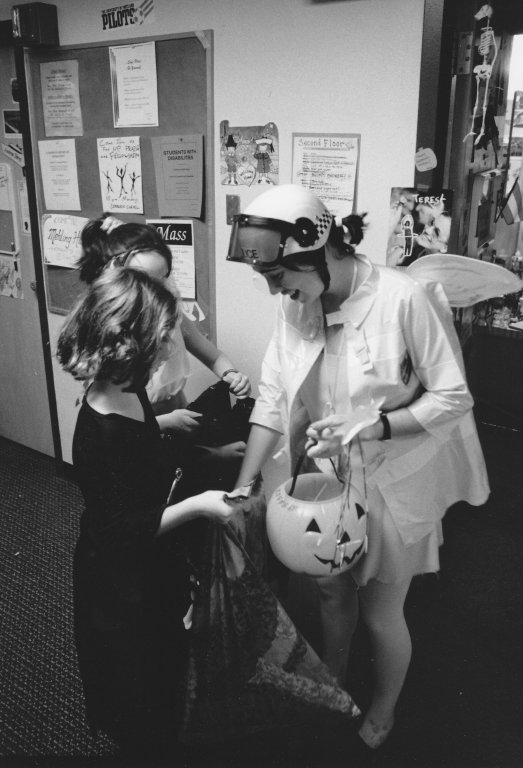
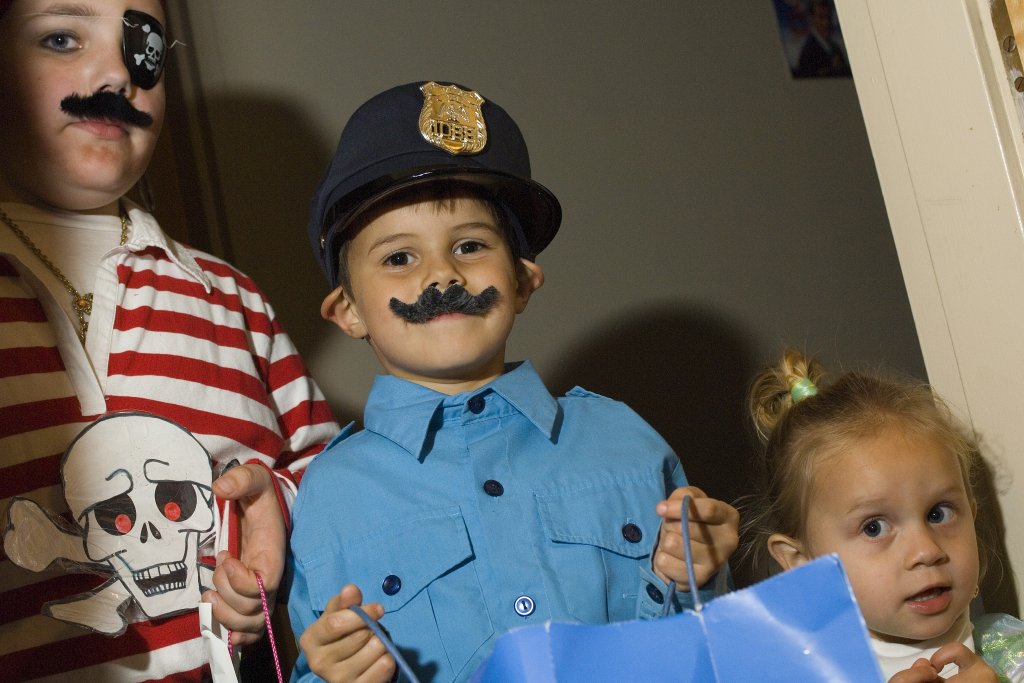
This October students host neighborhood children in the residence halls and the Chiles Center for Halloween fun.   The basement of Shipstad Hall, scary enough in normal times, is decorated as a Haunted House.  And Trick-or-Treat events are scheduled for monsters, princesses, and characters from Frozen (college students as well as visitors in costume) on Halloween Day.

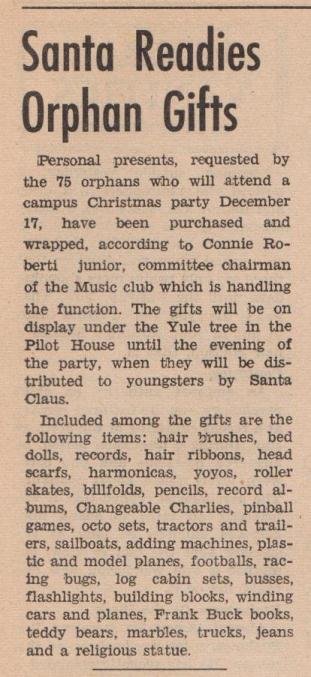
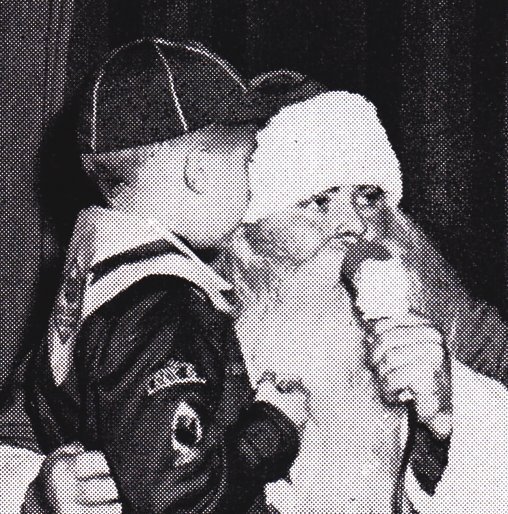
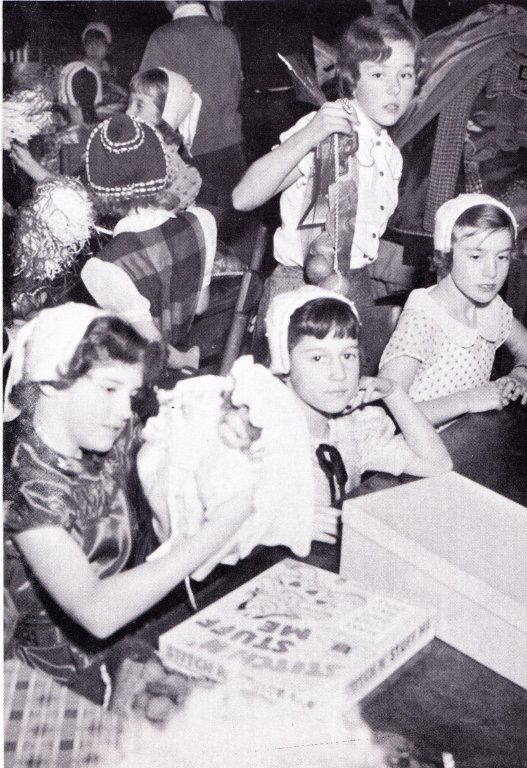
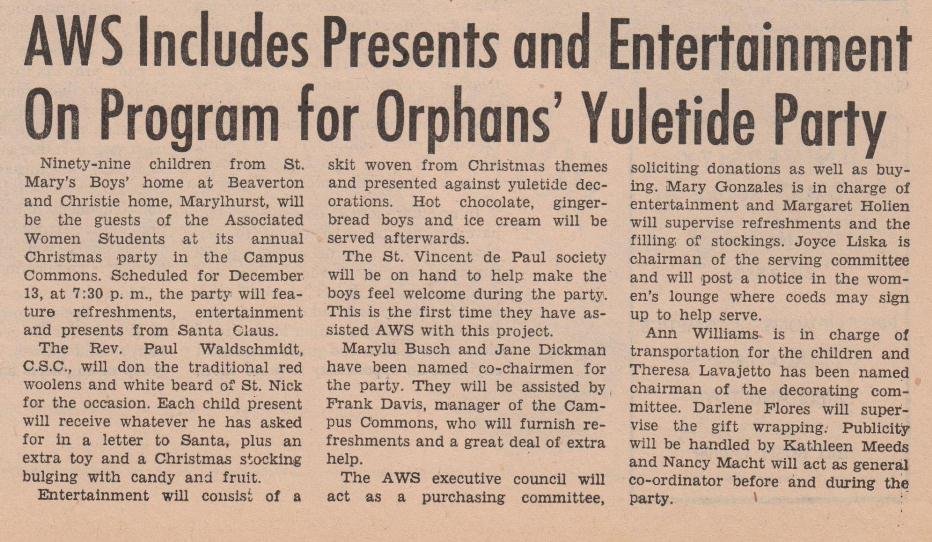
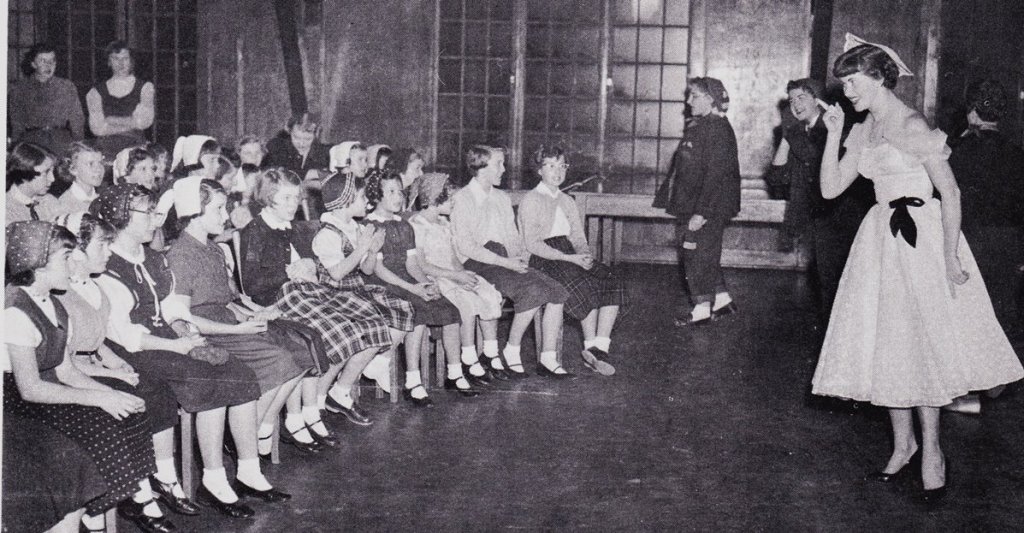
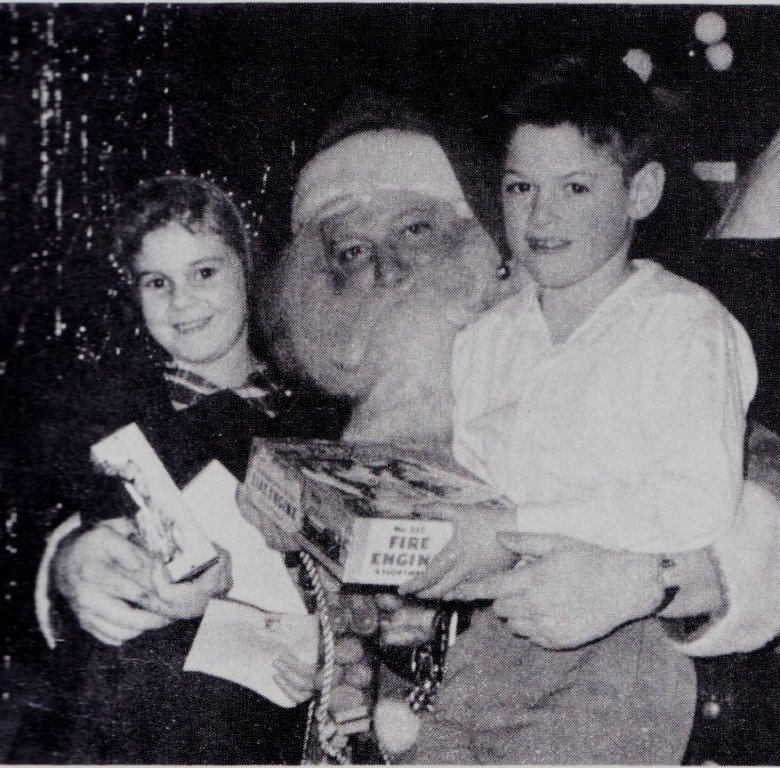
The seed of these celebrations, from an earlier slice of time, is the annual Orphans’ Christmas Party.  From as early as 1948, University of Portland student run service groups sponsored and hosted Christmas parties for children from St. Mary’s Home for Boys (Beaverton) and Christie Home for Girls (Oswego).  The tradition was maintained into the 1960s by the Associated Women Students, bringing as many as 100 orphan children to campus each year for this holiday event.   Then, as now, the festivities were almost as much for those who give as for those who receive.

Filed Under: School History, School History 2

October 26, 1936 – domainname.com

October 23, 2014 By Carolyn

University of Portland Archives, ZG X6 RECORD 26762; University of Portland: Historical and Legal Documents File Items, DOCUMENT #76 (click to enlarge)
University of Portland Archives, ZG X6 RECORD 26762; University of Portland: Historical and Legal Documents File Items, DOCUMENT #76
(click to enlarge)

On October 26, 1936 the University paid a sum of $600 to Mr. Mark Paulson for relinquishing his rights and claims to the name, “University of Portland”.

Filed Under: School History, School History 2

Primary Sidebar

Hours and Location

University of Portland Museum
014 Shipstad Hall

Available by e-email at:  museum@up.edu

Digital Collections

Explore some collections and resources from the Archives and Museum available online through Digital Collections


Social Media

Follow us on Facebook

Follow us on Instagram

Ask Us Anything

Ask Us Anything

We'd Love to Hear from You! Questions? Comments? Topics?

This form is protected by reCAPTCHA and the Google Privacy Policy and Terms of Service apply.

Copyright © 2025 · News Pro with Full Header On Genesis Framework · WordPress · Log in

Subscribe

Subscribe By Email

Get every new post delivered right to your inbox.

This form is protected by reCAPTCHA and the Google Privacy Policy and Terms of Service apply.


Loading Comments...