• Skip to primary navigation
  • Skip to main content
  • Skip to primary sidebar

University of Portland Museum

  • Home
  • About
  • List of Entries

Archives

International Soccer, 1961

October 1, 2025 By Archives

The University of Portland Soccer program has deep roots. The present program has been continuous since 1971, flourishing under coaches drawn from home and abroad (Clive Charles, London, UK; Nick Carlin-Voight, Kalamazoo, MI; Michelle French, Fort Lewis, WA, UP Class of 2000). But it is worth noting that 1971 is more or less the fourth founding of soccer at UP, fielding our first squad already in 1904, progressing on as The Cliffdwellers in what was basically a high school league to capture definitely and for all-time the Cameron Trophy in 1913 (now resting in retirement in the University Museum).

The story is told in Portland Magazine, “The Beautiful Game” by Dennis O’Meara, a coach from 1974, who when soccer officially became a varsity sport in 1977 was the person commissioned by Joe Etzel, Director of Athletics, to purchase new uniforms for competition. The old-uniforms having been recycled from the third founding of soccer at UP and worn by a Dream Team of International students under Eugene Tupper, Team Captain from his 1961 freshman season to his final days on the pitch as Player-Coach in 1969. The UP team composed of international players had adopted the striped jerseys of International play. (Which Coach O’Meara describes as, “wide lavender and white stripes and a large “UPSC” patch, a Northwest version of the Argentine national team kit.”

According to O’Meara, the 1961 ‘University of Portland Soccer Club’ comprised of six players from Chile, two from Iraq and one each from Peru, China, and Canada, faced off against a roster of rival Oregon colleges who wore solid jerseys.

Soccer players each holding the name of their home country.
The Beacon, November 10, 1961

Rev. Paul E. Waldschmidt, CSC, the then-Vice President, is listed as the 1961 Coach! Writing of the international student experience in the Alumni Bulletin, Fr. Waldschmidt indulges himself, “We developed a soccer team made up of international students from nine nations. It has been a tremendous factor in calling these students to the attention of the rest of the student body, in developing respect for and interest in them personally, and in their countries. Of course, the fact that the team won a cup play-off this winter didn’t hurt a bit.”

In fact, the team record was 11-3 in the first fourteen matches. The International students had a shared identity in the activity and the school received a boost. The 1967 season tallied a disappointing 4-5-1, but each home game drew increasingly large crowds of spectators and supporters. (1967 Log, p. 70). More than just a novelty, the international soccer club was an attractor and successfully grafted with the University with the result that club soccer achieved varsity status within the next decade. The story continuing on into our second century.

Yearbook page with three photos of soccer players and season summary.
1967 Log p 74
person wearing a beanie cap
Cup trophy with handles on either side.
Priest and four soccer players, one holding a pennant.
Standing: Rev. P. Waldschmidt, K. Alli, H. Li; front: H. Bercerra, C. Fotiou, 1961 Log

Sources:
The Columbiad, The Cameron Cup, (March, 1912; p. 89)
The 1967 Log, p. 70.
The Alumni Bulletin, “The International Student”, (February, 1962; pp. 2-5)
Portland Magazine, “The Beautiful Game”, (Autumn, 2013; pp. 28-31).  Coach O’Meara’s text is supplemented from an earlier full draft on file in the University Archives.
International Students article on PortLog

Filed Under: Athletics, Athletics 1 Leave a Comment

Homecoming Hospitality

September 3, 2025 By Archives

Spectators watch fireworks display.
Fireworks following a Soccer match, Orientation Weekend 2014 (The Beacon, September 6, 2017)

Tailgating is coming back to UP! The Athletic department is spotlighting tailgating for five 2025 soccer games this fall. For the sake of soccer, for Homecoming, for gathering together outside office or department, beyond a division, student club, team. Gathering as a group! Gathering for a social event wrapped around a sporting event.

Giving PortLog the opportunity to once more point out how ‘What is Old is New again‘. Tailgating, hospitality, bringing the student community out to cheer a sports contest at the same time we welcome alumni, fans, and friends and neighbors to the campus and celebrate our student athletes — this is long-standing tradition at UP, even before the smoke and kilts of the Villa Drum Squad.

Football player in the air clutching a football.
William Kang, Football,1948

The welcome efforts were first organized in 1937, when particular students — acting as parking attendants and campus ushers – formed a club to greet game-day visitors to campus. The newly formed service organization, Intercollegiate Knights, was called into action by Football Coach Bob Matthews (1937-1942) to promote and encourage Pilot spirit and hospitality at home games. Continuing into the 1990s Intercollegiate Knights, later Iota Kappa Pi, steadily expanded their community building activities beyond the parking lot. Still ushering sports events and regulating traffic, by the 1950s they were the student representatives and co-chairs of Red Cross Blood Drives, the United Fund, while also organizing student activities such as the Homecoming Torch-light parade, Thanksgiving & Christmas socials, as well as seasonal tasks such as stacking logs for the fireplace in the Student Lounge, and taking the lead in cleaning and landscaping the Victory Bell, Bus Stop, and campus signage.

Soccer player in position  to kick a soccer ball.
Women’s Soccer, 2022 (Marketing & Communications)

Oddly, in past issues of The Beacon, student journalism chooses not to highlight pre-game parking lot grilling and barbeque, frisbee toss, bean-bag pitches. The post-weekend coverage tends to center on the game and the seasonal prospects of the sports team. That is, when reporting game results, the social side of how the campus brings together neighbors from all parts of the City of Portland is taken for granted. But the memories taken away by the crowds continue a long tradition in which our community hosts, celebrates, and participates in a wider family with fun and food, welcome and shared activities.

Filling stadiums and parking lots, displaying loyalty to Pilot Purple Pride.


Priest standing by cars in a parking lot.

From 1937, then as now, the sports fields were front-facing features of campus located along Willamette Boulevard. And therefore, Student and visitor parking, and pre-game gatherings too, then as now, occupied that same territory. The precursor of the current parking lot accomplished and paved in stages between 1947-1952, with an estimated capital cost of $1,250.00.

(Photo: Fr. Bill Coughlin, CSC, parking monitor, 1958)

Related Stories:
Taste of UP for Families
Orphan Holiday

Filed Under: Campus - Student Life, Campus - Student Life 1 Leave a Comment

Fitness & Wellness Initiatives

October 8, 2024 By Archives

Person climbing an indoor rock wall.
Rock Climbing Wall, Beauchamp Center

One of the University of Portland’s hidden gems — though actually on full-display through the foyer windows of the Beauchamp Recreation and Wellness Center — is the Rock-Climbing wall. An oddity to be sure, this outdoor activity which is glassed-in behind walls. Nonetheless, the Wall is one of the unqualified fitness challenges on the current campus.

But that is not all. This month — and outside for the amazing fall weather (fingers-crossed) — the staff and faculty Walktober (2nd annual) has over 160 registered work-out partners consolidating friendships under the sponsorship of Human Resources promoting the friendly rivalry of Health & Wellness.

Not a fitness program, but oriented towards wellness, there is more to the Walktober activity than circling the Franz river campus and counting-steps climbing back to the upper campus.

Which brings us to a twenty-five year ‘throw-back’ and the dedication of the nine-station, perimeter enclosing walk & stretch fitness course that dotted campus from 1979-1989.

Chin-up bar station next to Sequoia trees.
Chin-up Bar, ca1979

The Parcourse (a commercial name) was the joint gift of the Class of ’78 and UP Guam families and alumni. The organizer, fulcrum-person, impresario was Peter Sgro ’81, ASUP Senator in ’78-’79, ASUP President ’80-’81. We don’t have a firm terminal date when the course was removed, but the only possible remnant is a chin-up station by the Sequoias near the Pilot House on the edge of Pru Pitch (Prusynski Field).

Photo & Article Gallery. Click to enlarge and view as slideshow.

Senate debates path.
UP fitness course a reality
Map of the fitness course on the University of Portland campus.
Parcourse to be dedicated.
Jogging Course Dedicated
Parcourse loops university campus.
Six individuals jumping on the log-hop course.
Peter Sgro at the body-ring chin-up station.
Parcourse offers fitness for all.
Parcourse completed.
Parcourse map on the University of Portland campus.

Filed Under: Campus - Landscape, Campus - Landscape 1 Leave a Comment

Carrying the Mission Beyond Campus

April 2, 2024 By Archives

The School of Education’s P.A.C.E. program (Pacific Alliance for Catholic Education) at the University of Portland began in partnership with the University of Notre Dame’s A.C.E. initiative in 1994, the two components separating in 1998 with the UP branch acquiring a geographical focus (PACIFIC) by placing PACE participants ‘locally’ in schools in the western-Pacific region (from Hawai’i to Alaska to Utah, anchored in Washington and Oregon).

PACE Pacific Alliance for Catholic Education Logo

PACE students pursue a two-year Master’s Degree in a three-year hybrid program, comprised of two years of full-time teaching in the field during the school year framed within three summers of intensive instruction in Teaching Arts. The schools they serve are financially challenged Catholic elementary schools. The program thus permits the University to project institutional support by training and sending teachers to assist the survival of these community-based parish grade schools.

The ALLIANCE section of the model is this: the University sharing and serving, lending inspired and skilled workers to areas of need supplying our larger community a complementary return that extends and spills well beyond filling classrooms. (Our student body draws new students from these same states each year, and so the PACE placements model reciprocity; a gracious return-on-investment.)

Which brings us to the CATHOLIC EDUCATION element of the program title. PACE students carry out their work at a Catholic school. But they are not sent as religion teachers; and in practice the student body of the typical parish school represents a near-even population of Catholic and non-Catholic families; with a pronounced diversity of ethnic background and economic opportunities adding to the mixture. In the language of mission, the parish schools aim to serve an under-served population; and the University has devised the PACE program to assist and strengthen that work. And that is the Catholic character of PACE; showing forth a dynamic example of how education is a fundamental CATHOLIC value and service.

And that is Catholic education, a Holy Cross education, lived out of the values expressed in the life and activities of Fr. Basil Moreau, CSC, founder of the Holy Cross Congregation:

If at times you show preference to any young person, it should be the poor, those who have no one else to show them preference, those who have the least knowledge, those who lack skills and talents, and those who are not Catholic or Christian. If you show them greater care and concern, it must be because their needs are greater and because it is only just to give more to those who have received less.”
Christian Education (1856) in Basil Moreau: ESSENTIAL WRITINGS (edited by Kevin Grove, C.S.C. and Andrew Gawrych, C.S.C., 2014); p. 338.

Genuine education has no room for indoctrination. It is a little more like paying-forward a debt of gratitude. The PACE vision of Catholic education places the PACE teachers as middle-school specialists leading classes in math, guiding science labs, in addition to those teachers focusing on reading and language skills at all grade levels. Remember, these teachers are also students. Literally. The activity of teaching necessarily molds the lessons learned by the apprentice teacher. Also, the presence of PACE might allow the school the ‘luxury’ of a dedicated position for the special needs and learning challenges that often motivate families to enroll in Catholic grade schools. (Not to mention the over-committed PACE-ers volunteering for after-school coaching.)

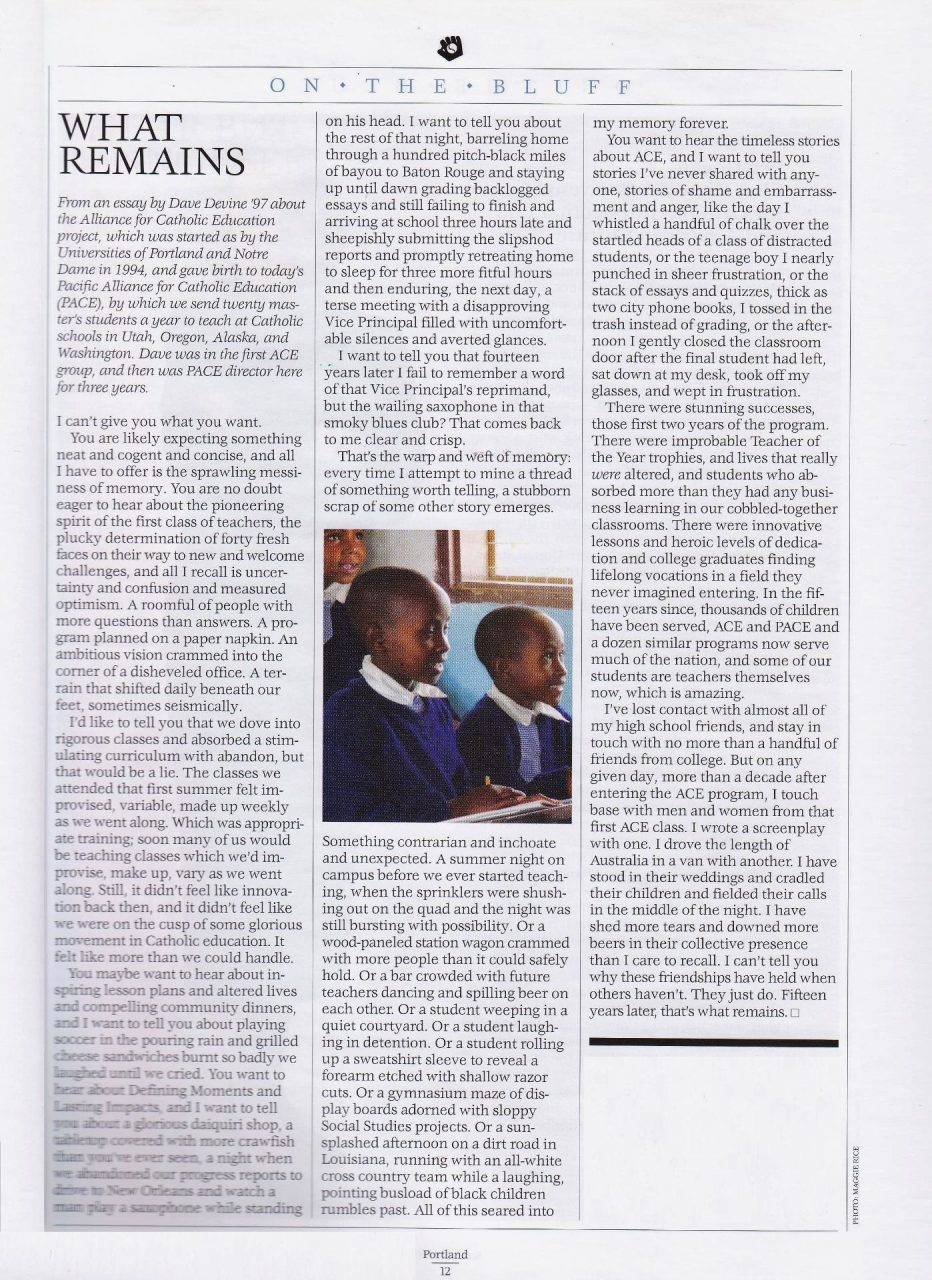
Below, SMILING portraits of PACERS as rendered by their students, (Laura Burchett ’13, Alaska; Victoria Flores ’14, Utah; Amanda Membrey, ’14 Utah; Allison Mouton ’13, Alaska; Kayla Witt ’13, Utah); plus personal testimony from a member of the first cohort (Dave Devine ’96). All from Portland Magazine, Summer 2013, pp. 35-33, Summer 2009, p. 12; respectively.

Drawing of Laura Burchett.
Drawing of Victoria Flores.
Drawing of Mandy Membrey.
Drawing of Alli Mouton.
Drawing of Kayla Witt.
What Remains by Dave Devine.

Filed Under: Values, Values 1 Leave a Comment

Blanchet House: Founders and Perpetuators

January 31, 2024 By Archives

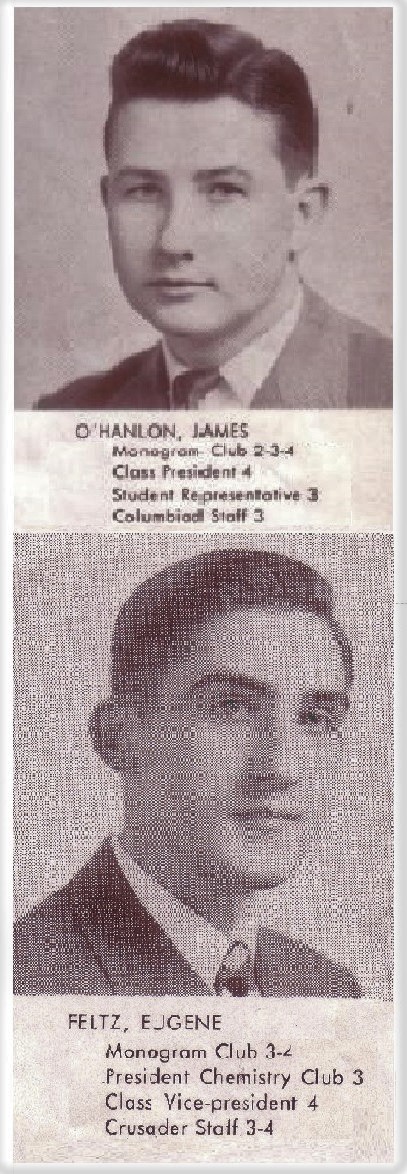
James O'Hanlon and Eugene Feltz.
1945 Columbiad

Following World War II and the demobilization of the armed forces, The USA went to work. Though opportunities were not uniformly accessible to all, and some people discovered walls and locked doors, unable to find a way into economic gain or stability. Rev. Francis Kennard, a priest of the Cathedral parish, walking the streets of downtown Portland, saw that the soup-lines of the Depression — different in character and persons and circumstances — reforming to a new, newly current need. A challenge.

Another credit goes to Bernie Harrington, ’42, Portland native, UP grad and Navy veteran, who brought Fr. Kennard into contact with the local students club in 1948 when Bernie’s younger brother Dan (UP ’50), along with Jim O’Hanlon ’50 and Gene Feltz ’50 and other Portland natives, were casting about for a project and proper challenge for Sigma Pi Upsilon social club.

The steps and stages and formal and informal connections and personnel were not noted down at the time, but the stories converge on the calendar record: Blanchet House served its first meal to the houseless and hungry on the streets of downtown Portland on February 11, 1952 (beans, bread, butter and coffee for 227 clients).

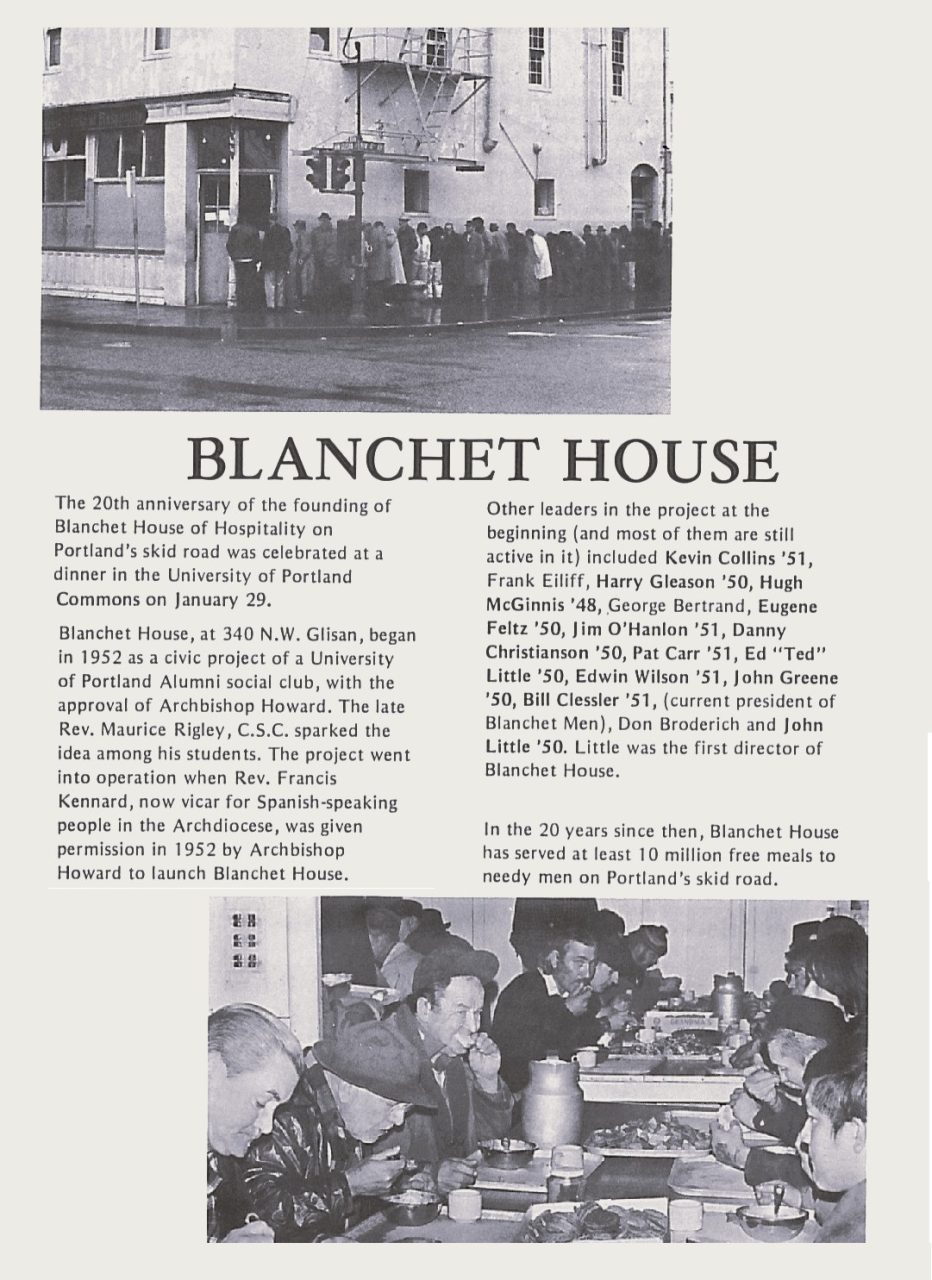
Fast forward: the University of Portland Alumni Outstanding Service Award was presented to “The Founders and Perpetuators of the Blanchet House of Hospitality” in 1983. This was a freshly inaugurated annual award, and this first award appropriately celebrates the thirtieth anniversary of Blanchet House. Belated or not, the award illustrates the generational legacy tying and binding UP and Blanchet House. The 1983 list of honorees — though partial and inadequate to the many UP alumni who served as volunteers, leaders, and board members — included some 35 names. Because, from the beginning, Blanchet House was a community thing. The work of many hands. With an origin of many stories. Changing lives for volunteers and clients alike through the mission of feeding, housing, and providing safe-shelter to those who are on the streets due to poverty, illness, addiction, homelessness.

Granting recognition and awards is a matter of reflected glory, though encouragement and commitment are also demonstrated.

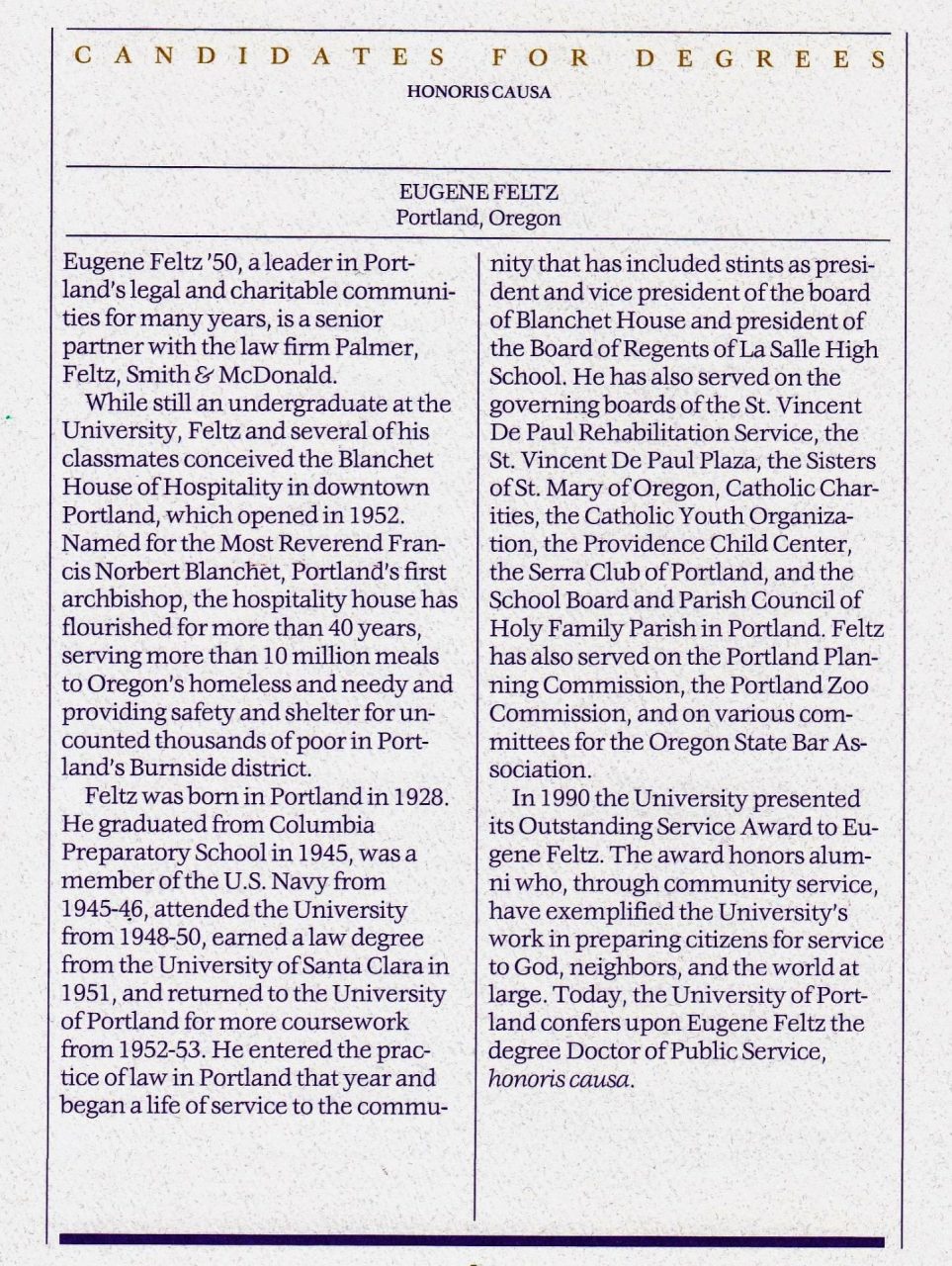
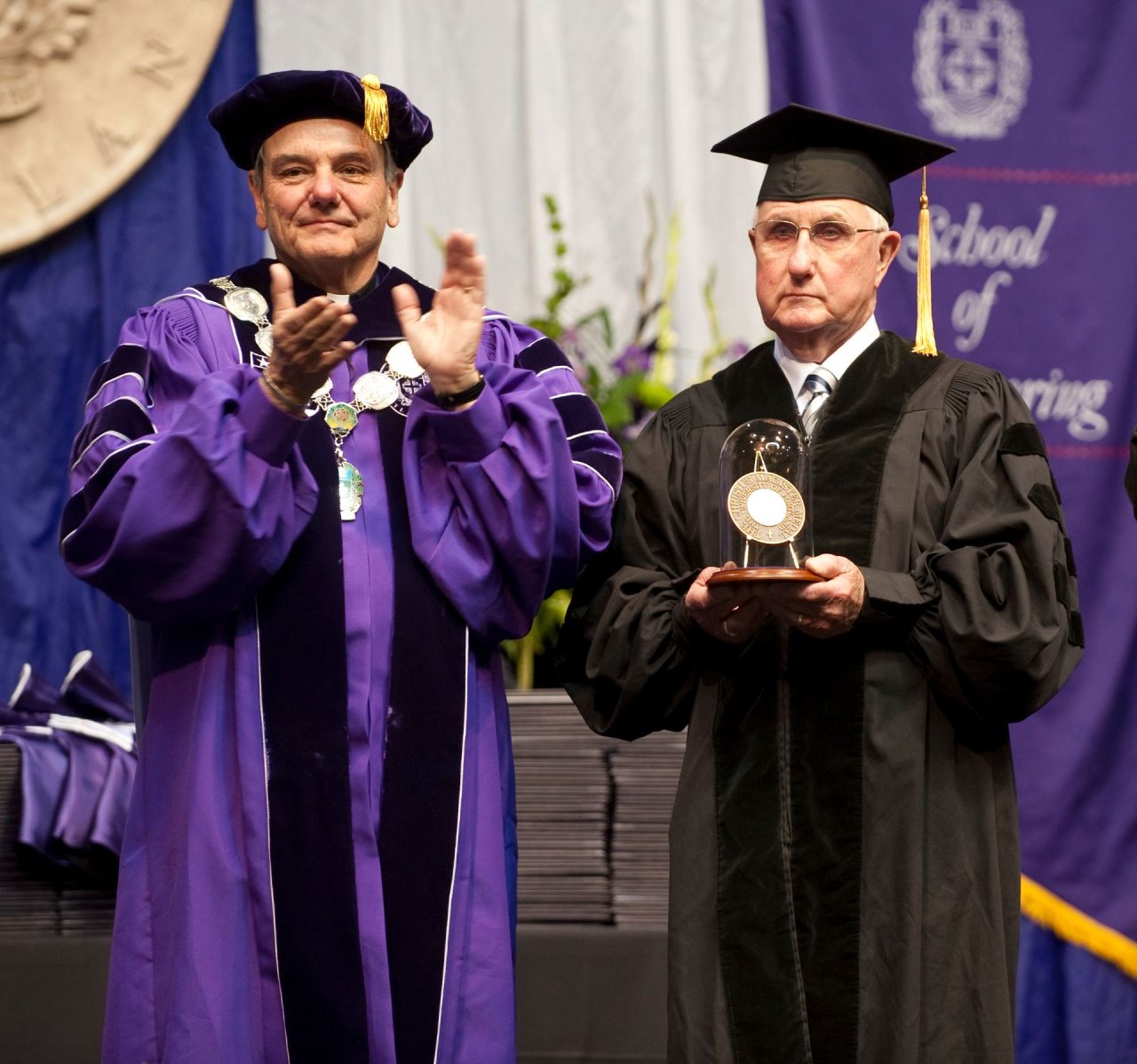
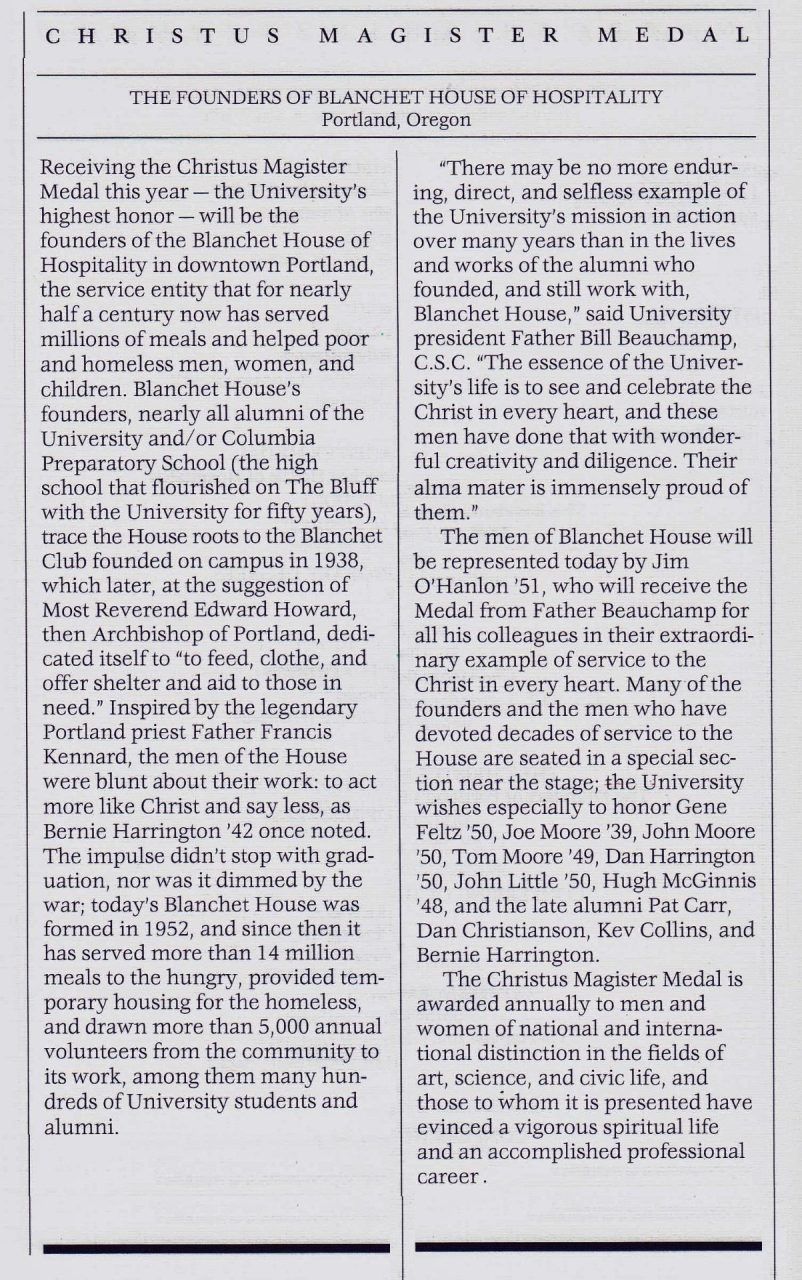
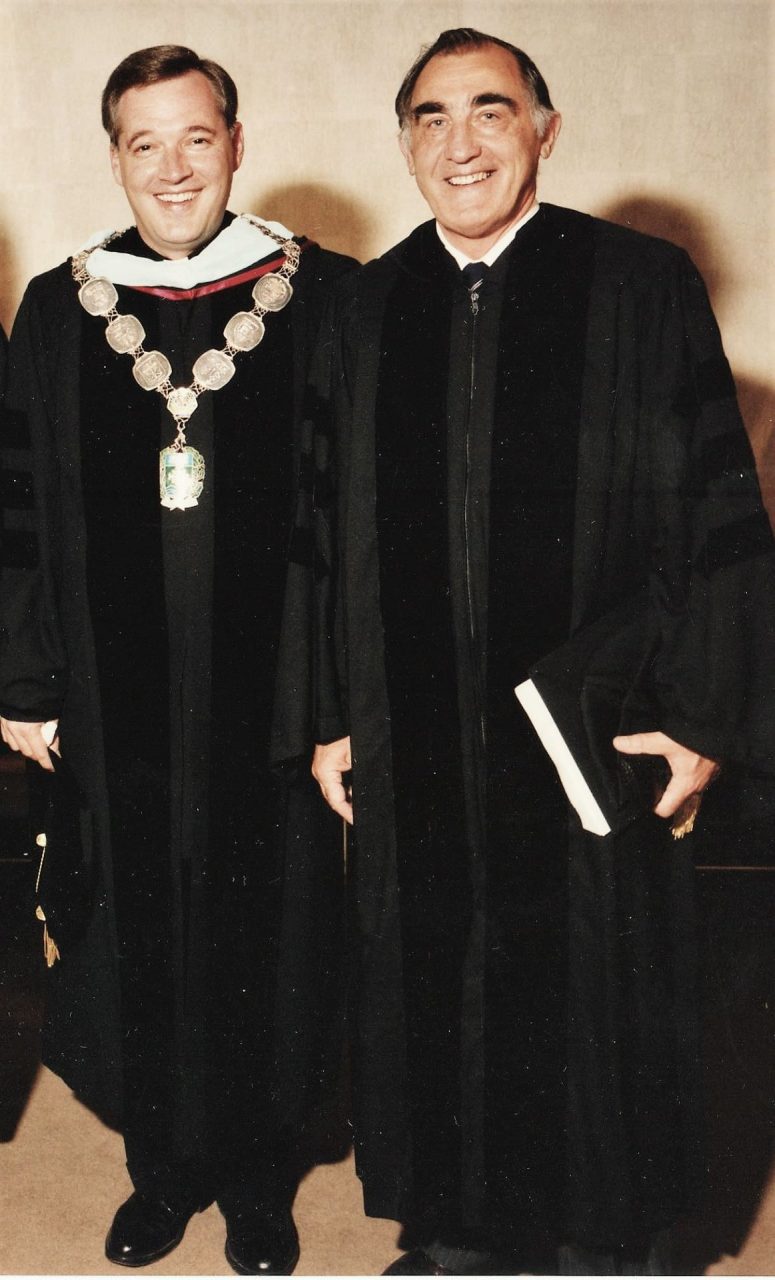
Leaning into Blanchet House’s fortieth anniversary, the University awarded Gene Feltz ’50 an Honorary Doctorate of Public Service in 1992 for a career of intertwined public and community service. In 2010 the University bestowed The Christus Magister Medal on the group of founders whose fifty-year-plus commitment continues to express and inspire the ideals and values of the Holy Cross and Catholic mission of the University of Portland.

And continuing: marking the seventieth anniversary of Blanchet House, Blanchet House conferred their 2023 Service Award on the University of Portland, specifically The School of Nursing and Health Innovations. This reciprocal recognition demonstrates how hands and feet are important and continuing adjuncts to ideals. The citation notes: “The University of Portland’s outstanding nursing faculty and nursing students bring their spirit of innovation in community health care to Blanchet House’s residents and meal guests. This Service Award honors the outstanding impact they make in our community.” Impacting how? When these unusual suspects offer aid to those in need — beyond food and shelter for people experiencing homelessness — the special-skilled nursing volunteers add a particular hospitality through foot care clinics.

This is the story of how from humble beginnings, UP students have been making a difference by being the difference. Aligned with the mission of UP, inspired and sustained by the community of UP students and alumni, the Blanchet House of Hospitality at 70+ is a lasting, continuing autonomous commitment and evidence of the University of Portland as OF, FOR, and WITH the city of Portland.

Sources:
Columbia Prep Columbiad Yearbook, 1945
Alumni Bulletin, September 8, 1952
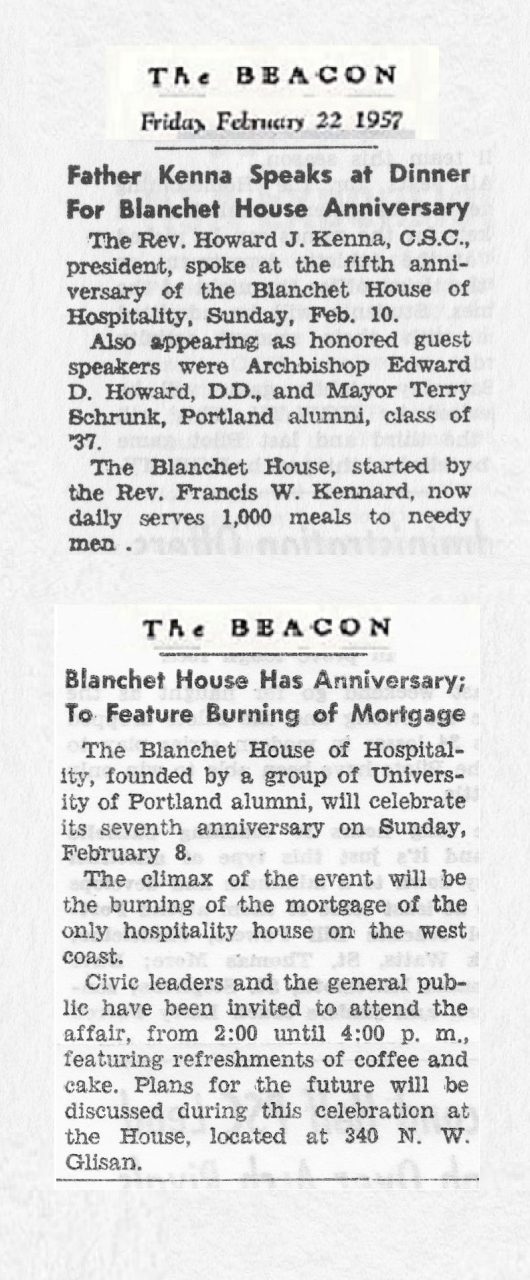
The Beacon, February 22, 1957; February 6, 1959
Alumni Bulletin, April 1972.
Portland Magazine Fall 1983
Portland Magazine, Blanchet House Celebrates 70 Years, May 2022
Commencement Program, 1992
Commencement Program, 2010

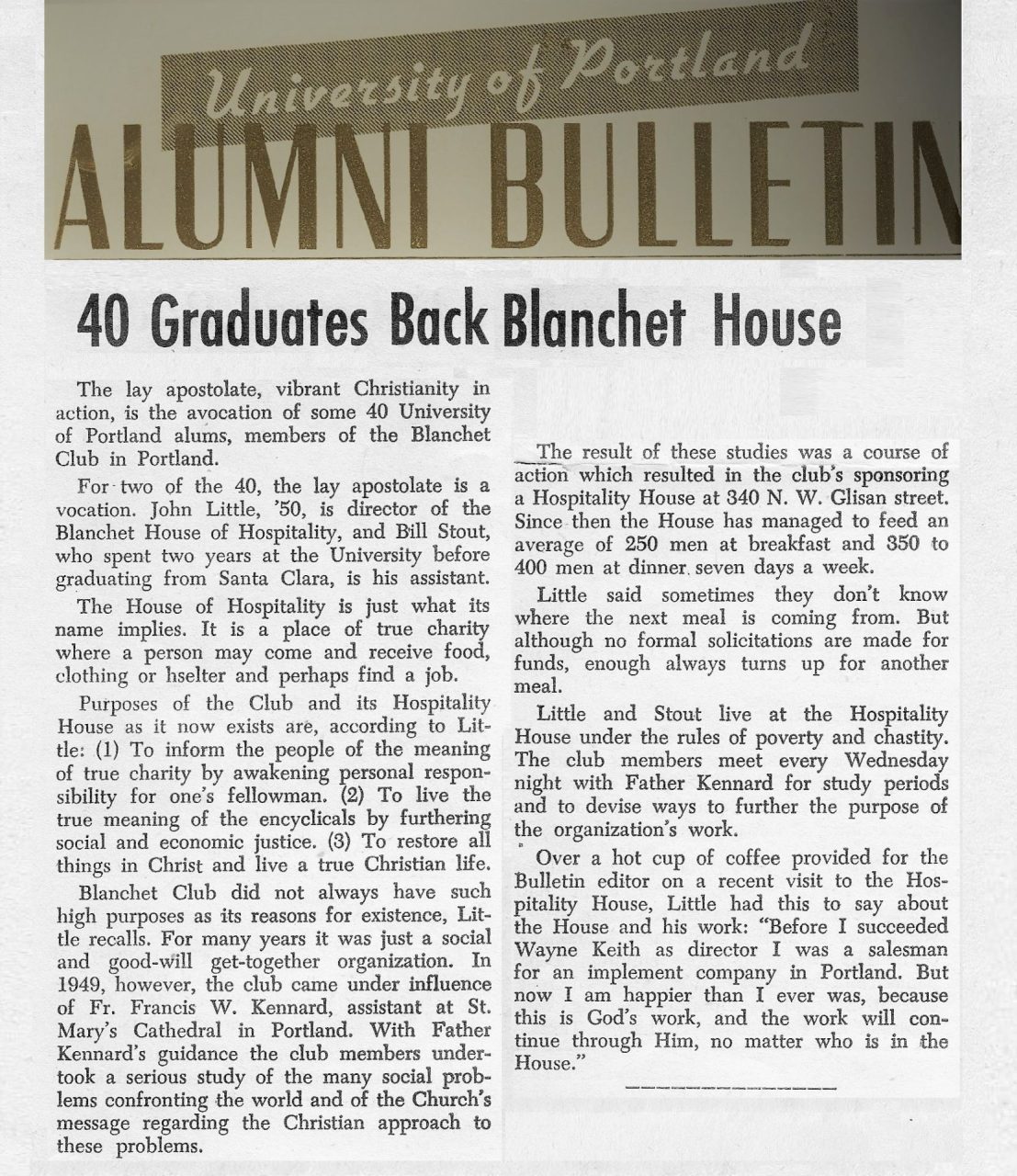
  • University of Portland Alumni Bulletin. Forty Graduates Back Blanchet House.
    Alumni Bulletin, September 1952
  • Alumni Bulletin article. Blanchet House.
    Alumni Bulletin, April 1972
  • Beacon newspaper articles on the fifth and seventh anniversaries of Blanchet House.
    Fifth and Seventh Anniversaries for Blanchet House
  • Father David Tyson and Eugene Feltz, both wearing academic regalia.
    Rev. David Tyson and Eugene Feltz, Honorary Degree Recipient, 1992
  • Candidates for Degrees. Honoris Causa. Eugene Feltz Portland, Oregon.
    Eugene Feltz, Honorary Degree, 1992
  • Father E. William Beauchamp and Jim O'Hanlan holding the Christus Magister Medal.
    Rev. E. William Beauchamp and Jim O’Hanlon, Christus Magister Medal, 2010
  • Christus Magister Medal. The Founders of Blanchet House of Hospitality Portland, Oregon.
    Blanchet House of Hospitality Honorary Degree, 2010

Filed Under: Values, Values 1 1 Comment

Anchoring to Port

January 25, 2024 By Archives

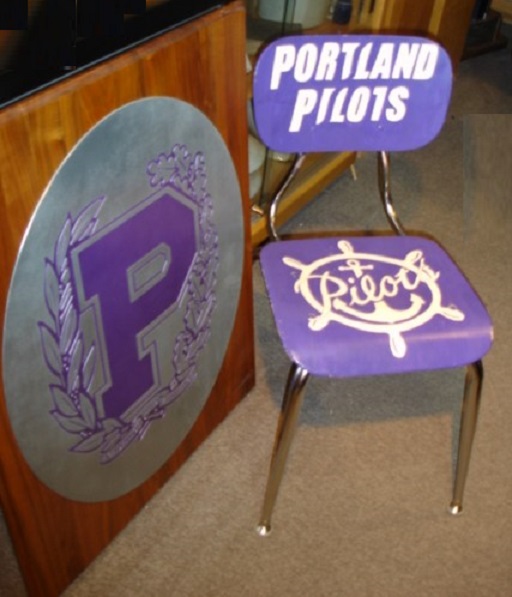
P logo plaque and Portland Pilots Pilot Wheel logo chair.
Portland Pilots Chair (University Museum)

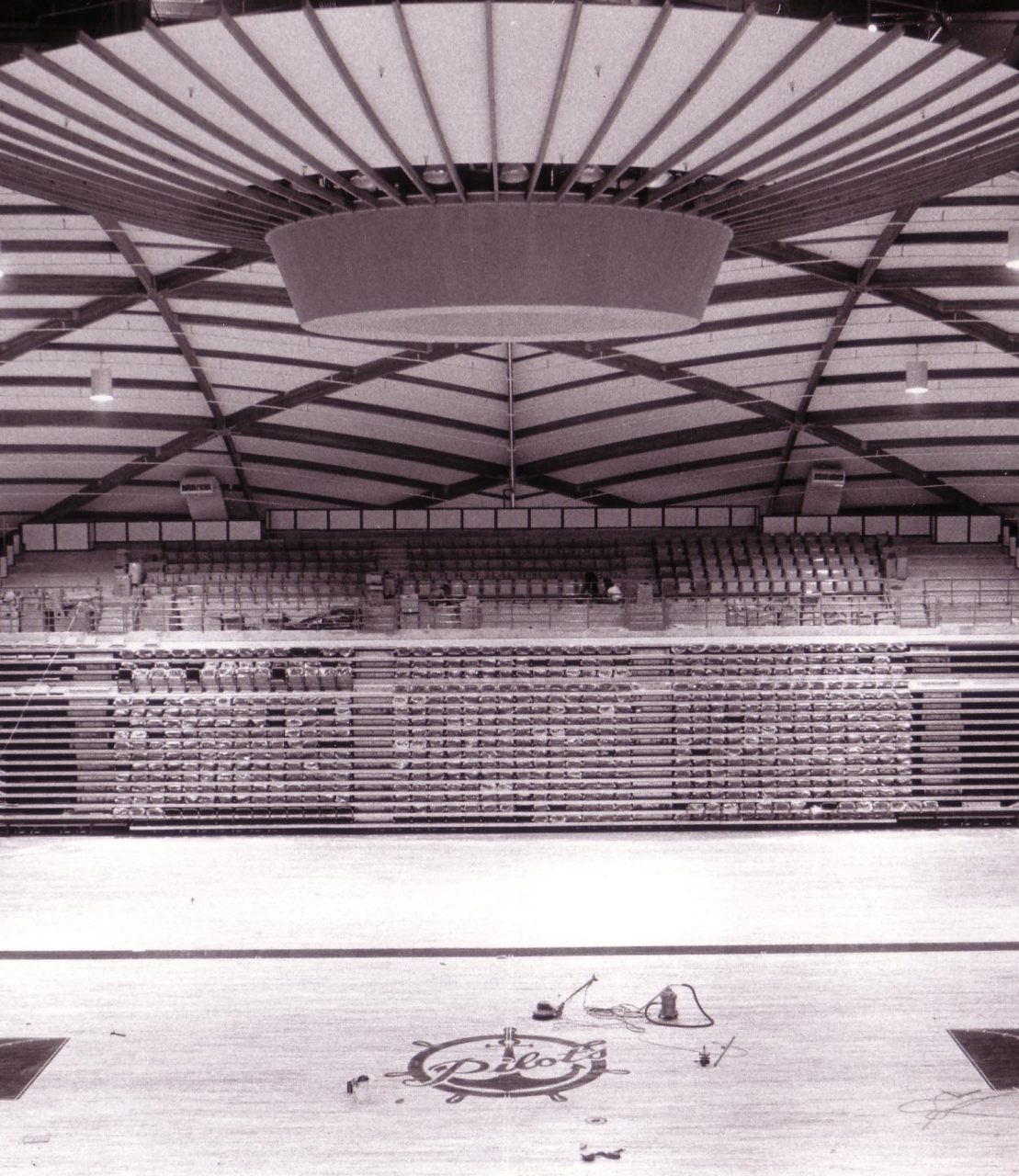
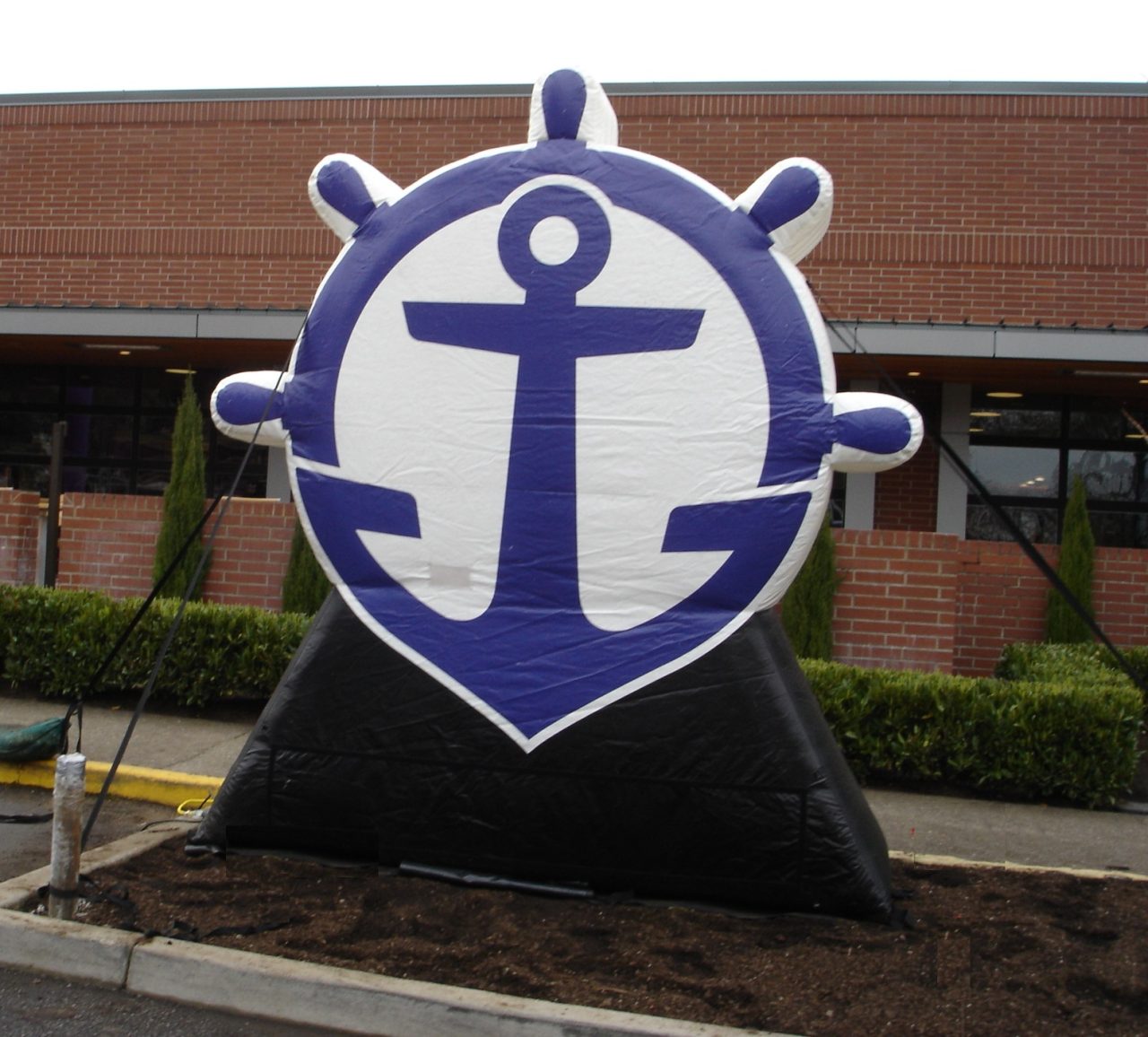
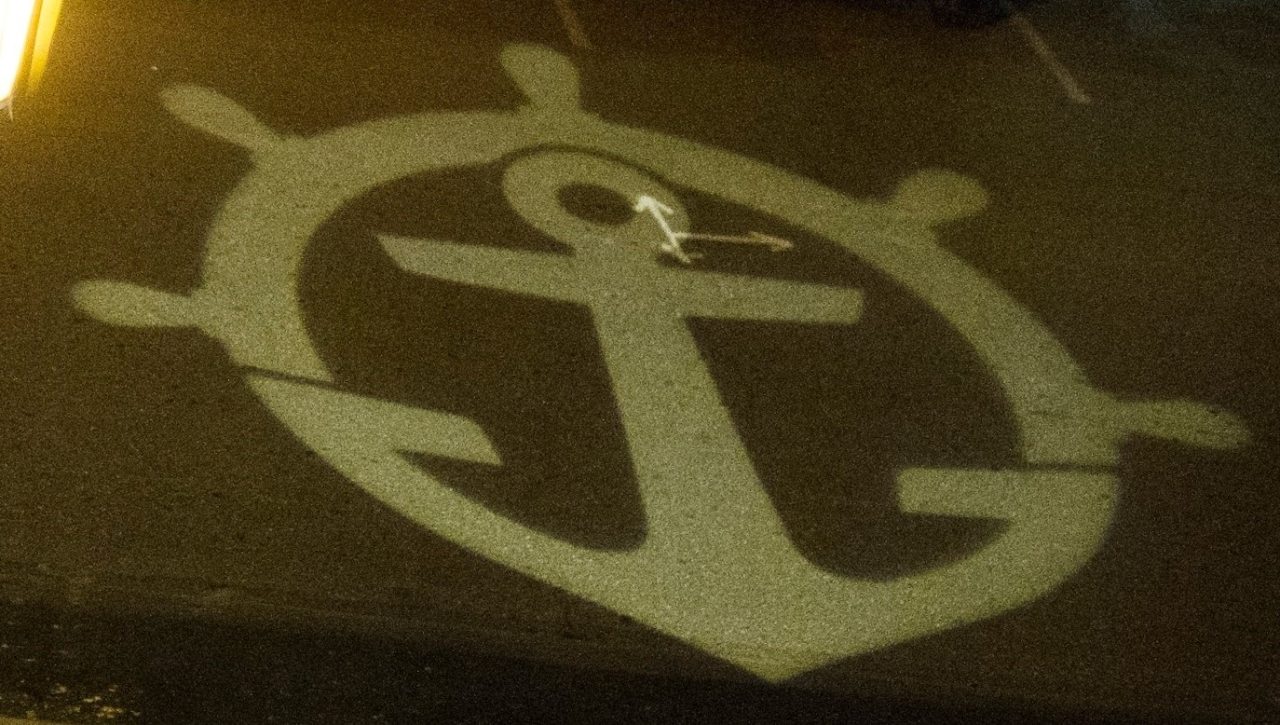
For decades the emblem painted at center court in the Howard Hall basketball arena was an Anchor superimposed on a Pilot’s Wheel.

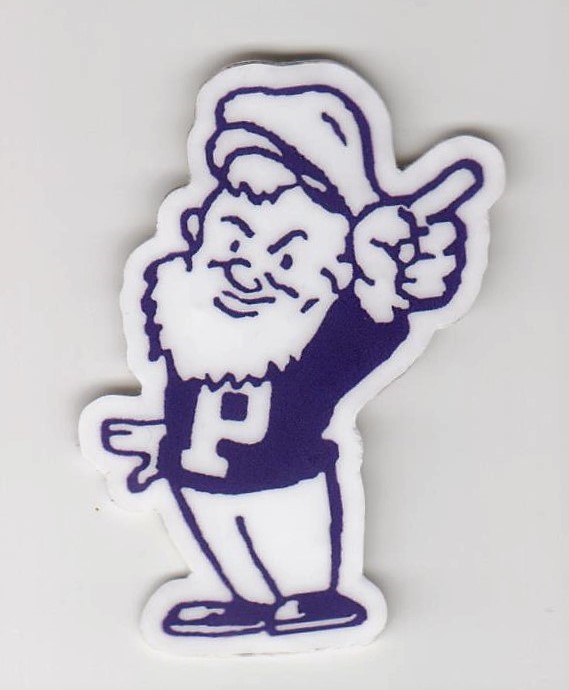
The ship’s wheel comes to us with Wally Pilot, the tug-boat captain who navigates ships to port in the traffic lanes of the Willamette River. The anchor is borrowed from the University Seal, which repeats the Cross and Anchor motif of the Seal of the Congregation of Holy Cross.

A neat and efficient symbol expression of the University, where students learn to navigate the disciplines and skills of nursing, education, engineering, science and business inspired by the charism and values of the religious community which has been with the University since our founding in 1901. Except, however, despite appearing on the hardwood, sports programs, and courtside seating, when it came to branding, the symbol was not available for marketing because UP never filed for a formal trademark.

Pilots wheel and anchor logo on a 1977-78 Basketball guide book.
Basketball Guide, 1977-78
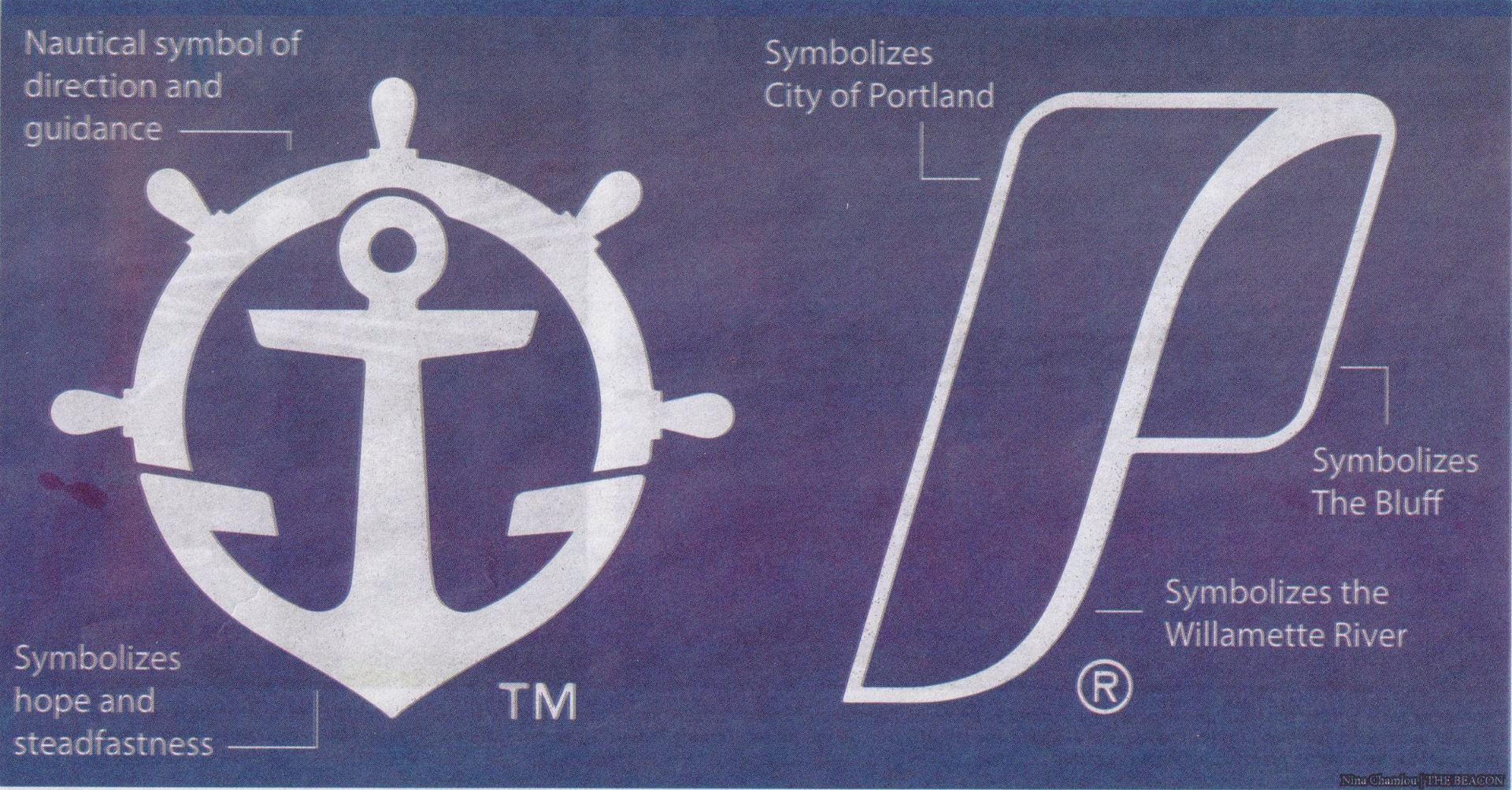
Description and explanation of the Pilot Wheel and Anchor logo and Flowing P logo.
Wheel and Anchor and Flowing P logos decoded, Beacon, October 30, 2014

The current symbol – the Nautical Wheel – was introduced (and trademarked this time!) ten years ago. Still anchor and wheel, but now UP’s very own sports brand; and today very ubiquitous, adorning our home sports arenas, team uniforms, bookstore sweats, coffee mugs, posters, stocking caps and polo shirts. (The flowing capital ‘P’ was introduced in 2007.)

See the full marketing story: Brand refresh brings new logos, The Beacon, October 30, 2014.

Slideshow of University of Portland Logos

  • Pilots Wheel and Anchor logo on the center of a basketball court.
    Pilots Wheel and Anchor logo on the Chiles Center court, 1984
  • Pilot House Wheel and Anchor logo on beverage coaster.
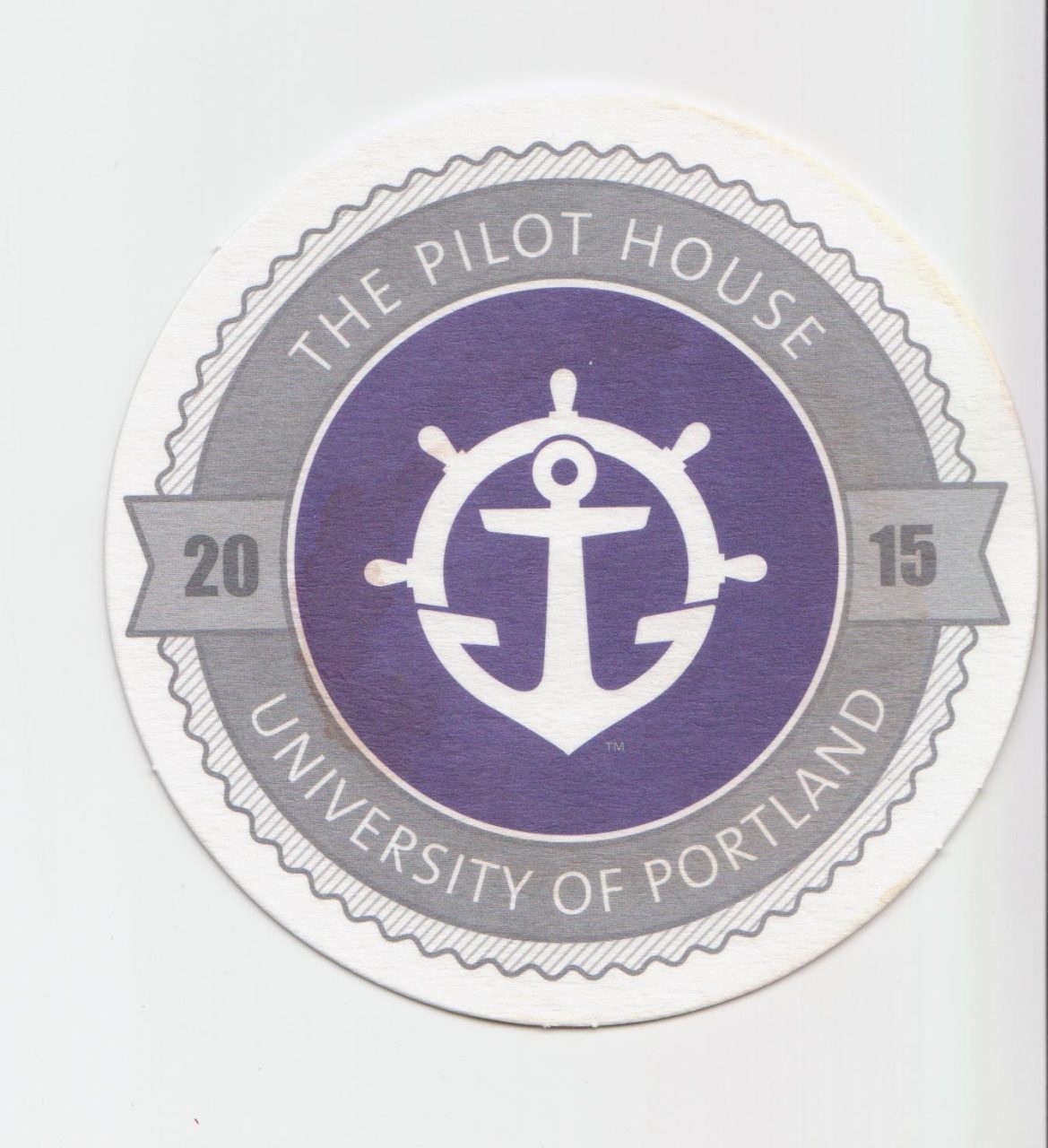
    Pilot House Beverage Coaster, 2015
  • Inflatable Wheel and Anchor Logo
    Inflatable Wheel and Anchor Logo
  • Bearded river pilot with cap and P shirt.
    Wally Pilot Sticker, 2023
  • Projected image of the Pilot Wheel and Anchor logo.
    Logo projected through window onto Portsmouth Ave.

Filed Under: Objects, Objects 1 Leave a Comment

University of Portland Medal

December 6, 2023 By Archives

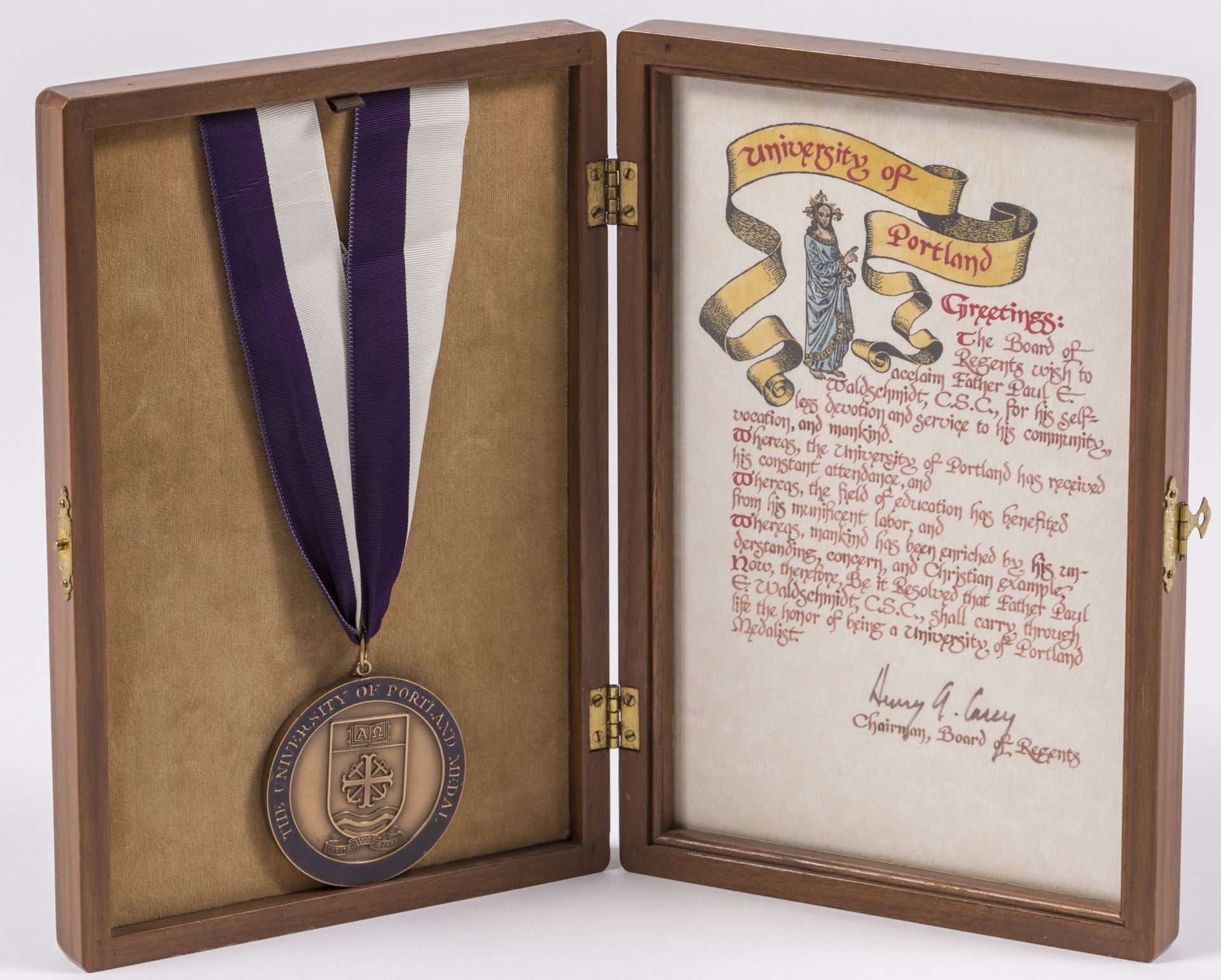
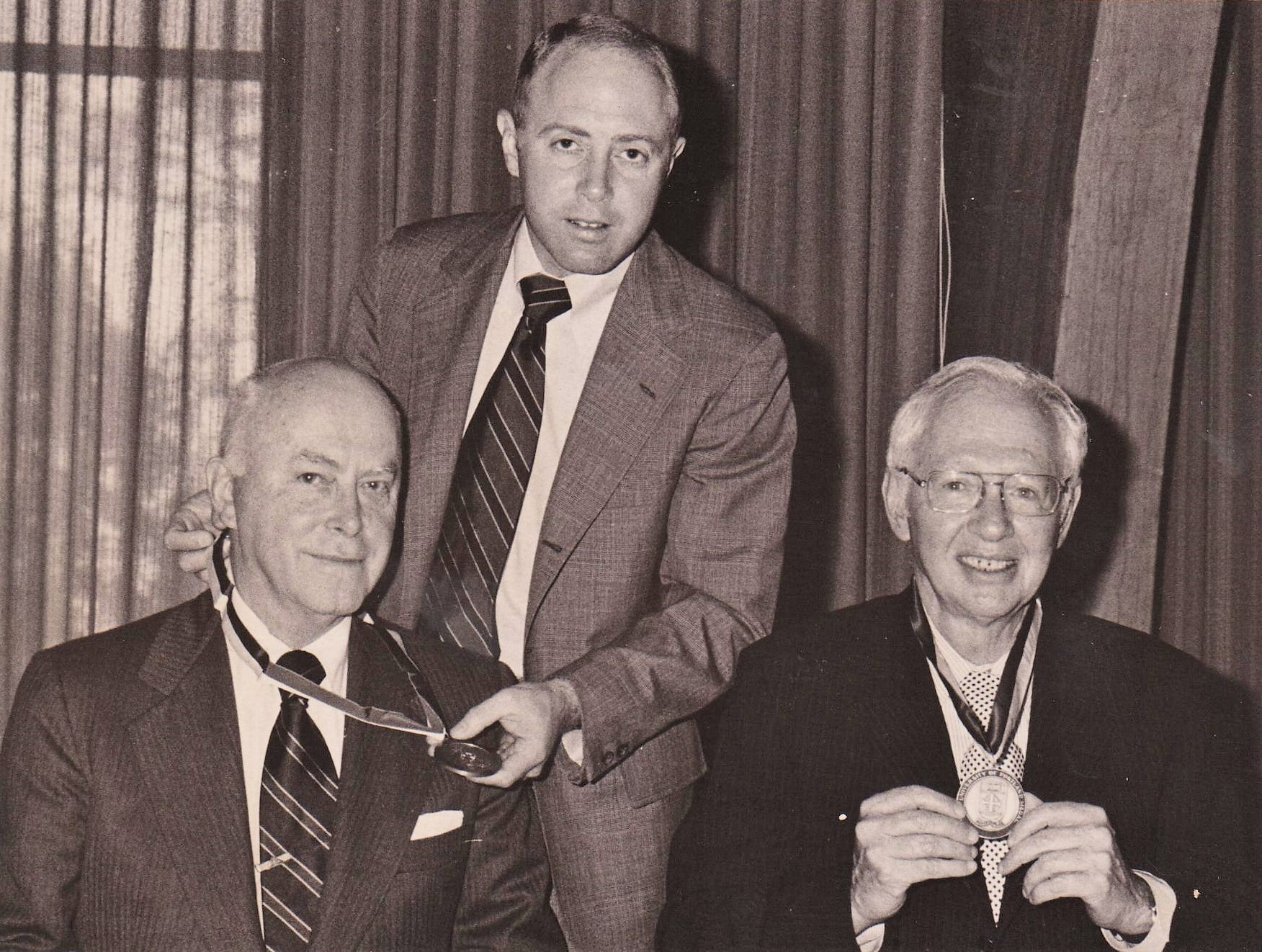
The University of Portland Medal (1972-1983) was established in 1972 by the Board of Regents of the University and awarded to Oregonians of achievement, of selfless community service, as well as to members of the University’s family of friends. The medal was last awarded in 1983.

Medal attached to a purple and white ribbon, descriptive text, and recipient Father Paul E. Waldschmidt.
Portland Medal for Rev. Paul E. Waldschmidt, CSC, 1972

A successor award was established in 1995; The Christus Magister Medal is presented at Commencement to honor persons of distinction in the fields of art, science, education, government.

YearPortland Medal RecipientYearPortland Medal Recipient
1972Rev. Paul E. Waldschmidt, CSC1978Robert B. Pamplin, Sr.
Ira C. KellerMaurie D. Clark
Judge John F. Kilkenny
Arthur J. Decio1979Ernest Hayes, Ph.D.
1973Fred A. Stickel1980John A. Elorriaga
Luther G. Jerstad
1981Sr. Veronica Ann Baxter, S.N.J.M.
1977Harriet Osborn Jeckell
J. Anthony Giacomini1983Lawrence Welk

Here we have a list of “University developers” who are today woven into the landscape of the University: Fr. Waldschmidt was our 15th president and has given his name to the administration building. Mr. Clark is remembered at the Library; for ten years Director of Nursing Service, Harriet Osborn Jeckell was both a graduate and faculty member of the School of Nursing (1934-1958); Dr. Hayes was the Dean of the School of Education from 1965-1979; and Mr. Pamplin has given his name to the School of Business.

Related Post: Brushes with Fame

Man standing behind two individuals who are wearing an award medal around their necks.
Chair of the UP Board of Regents, Robert Pamplin, Jr. Awards the University of Portland Medal to his father, Robert Pamplin, Sr. and Maurie Clark, 1978
Newspaper photograph of a man standing behind two individuals showing their award medal.
Robert Pamplin, Jr., Board of Regents Chair, presents University of Portland Medals to Harriett Osborn Jeckell and John Anthony Giacomini, 1977

Filed Under: Objects, Objects 1 2 Comments

Community-based Nursing

November 14, 2023 By Archives

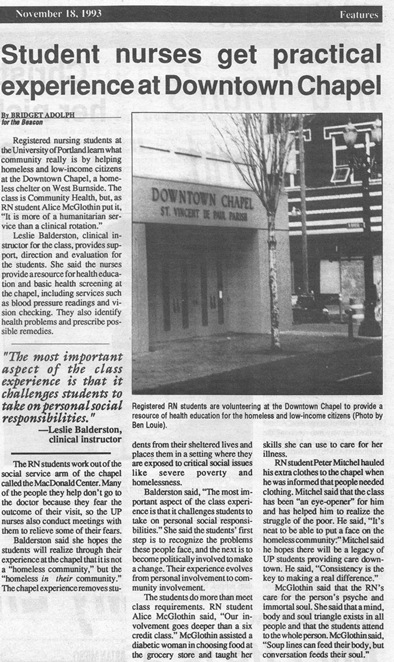
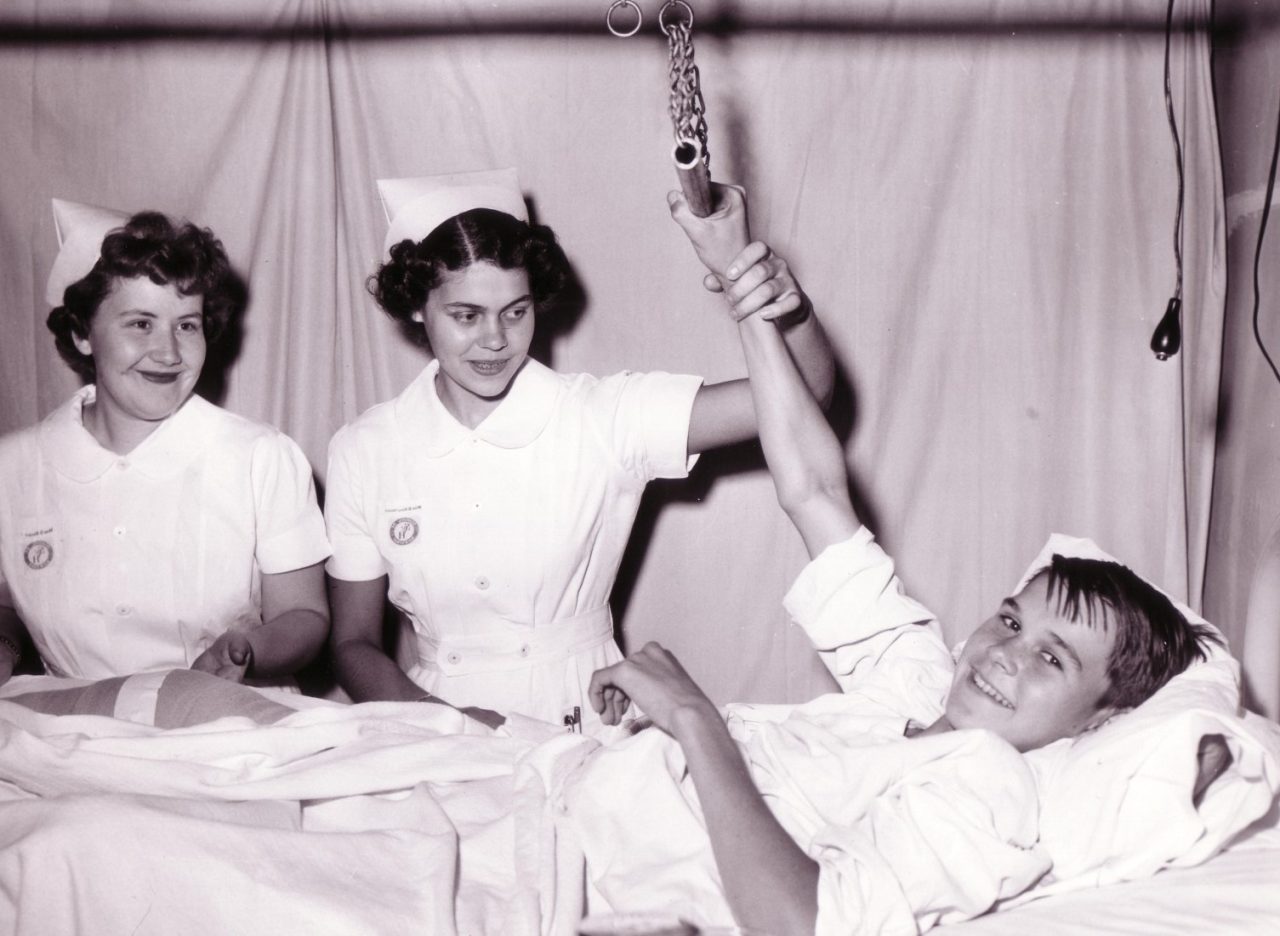
The School of Nursing & Health Innovations was awarded the 2023 Service Award at the Blanchet House annual Lending a Helping Hand Brunch. In addition to the familiar volunteer services of food, shelter, and companionship (helping hands) for the homeless in the city of Portland, the Service Award highlights the added-value difference that only Nursing volunteers provide: foot-care clinics and assistance in staffing the Harrington Health Clinic.

Newspaper article. Student nurses get practical experience at Downtown Chapel.
Beacon, November 18, 1993, p 8

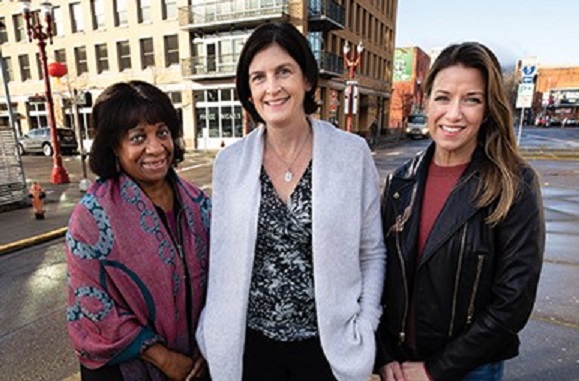
Health Care is community care. On-site at Blanchet House in downtown Portland since 2020, the Harrington Clinic provides transient and displaced clients a point-of-entry to health care. Here client and health care system are afforded a gentler and earlier direct nurse-led gateway offering primary care and screenings in the hope of circumventing crisis intake at the Emergency Room or Urgent Care Center later. Both the cost savings and the humanity of this approach are transparent. Partnership with UP nursing students makes this innovative intervention happen.

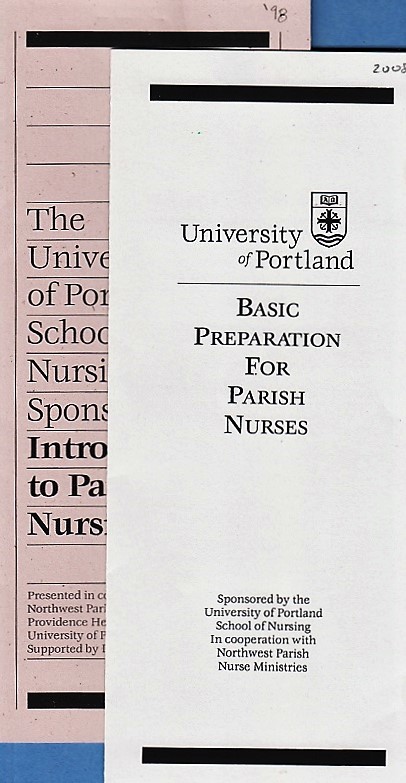
Covers of two Parish Nurse brochures from University of Portland.

Parish Nurse Brochures, 1998 and 2008

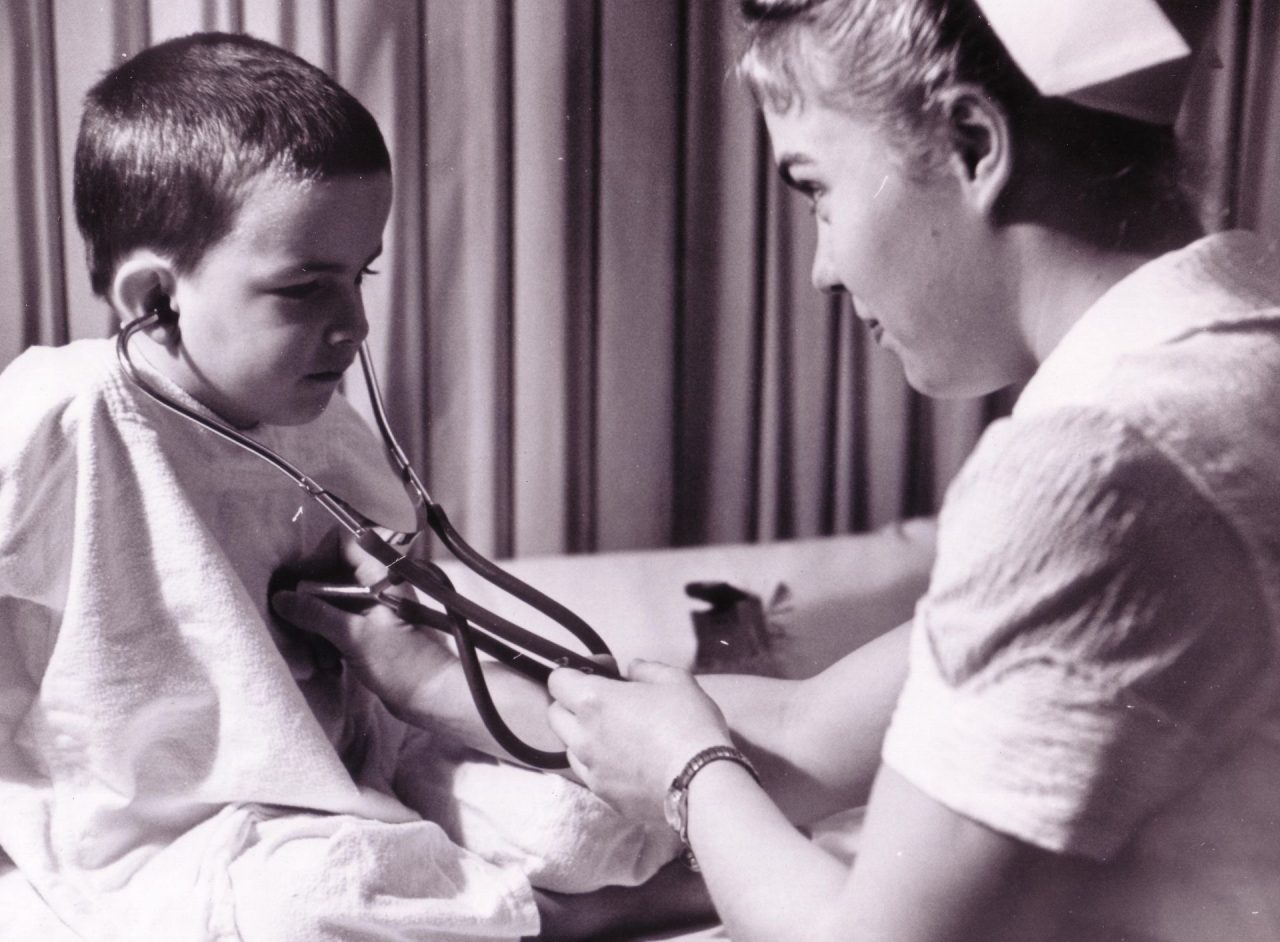
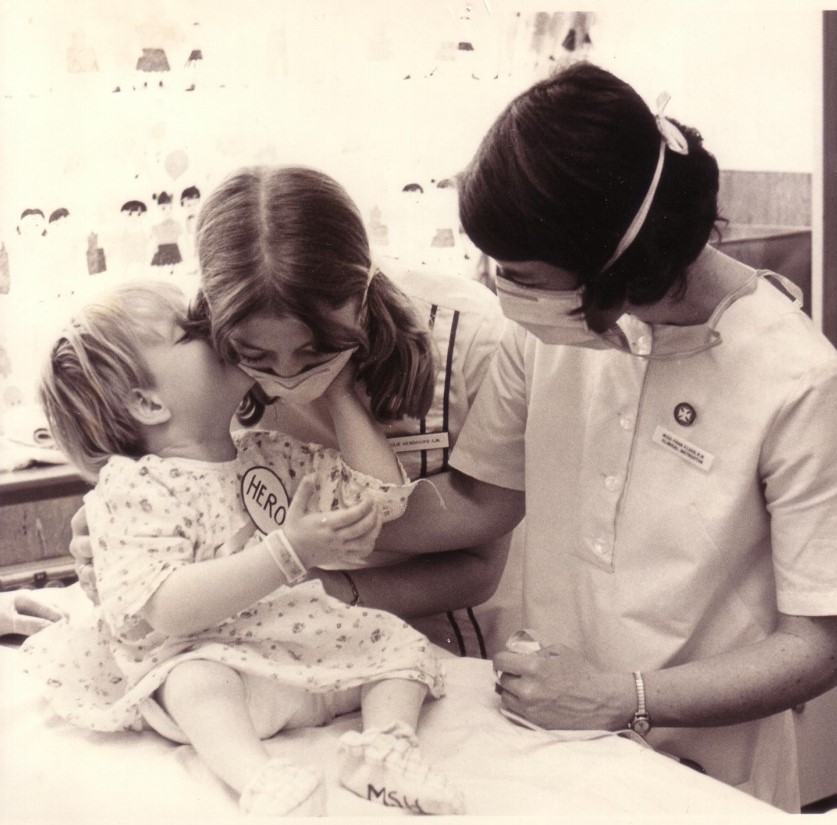
Community-based care interventions are not new or recent to The School of Nursing & Health Innovations. Nurse-volunteers creating community clinics to provide immediate direct patient care for the Portland homeless is documented already in the early 1990s when nursing students helped create clinics and foot-care services at St. Andre Bessette Parish / The Downtown Chapel. Also during the 1990s and into the 2010s, the School of Nursing partnered in an Introduction to Parish Nursing certification. Through the years different innovations arise to meet changing social conditions. That is, we find neighborhood nursing programs hosted in various community-based settings. Since 2016 community engagement has included placing nursing students at four high schools in the Portland area: the Rosemary Anderson High School (RAHS) partnership includes instruction and conversation with at-risk youth and the larger school population.

Community health care initiatives have always been woven into the character and curriculum of nursing education, these innovative partnerships are on-going and continuing today (and beyond) at the University of Portland extending the halls of education into the city with programs such as the Harrington Health Clinic and the Integrative Health Coaching program.

  • Two nurses presenting a birth certificate to a mother and newborn baby lying on a bed.
    Nursing,1938
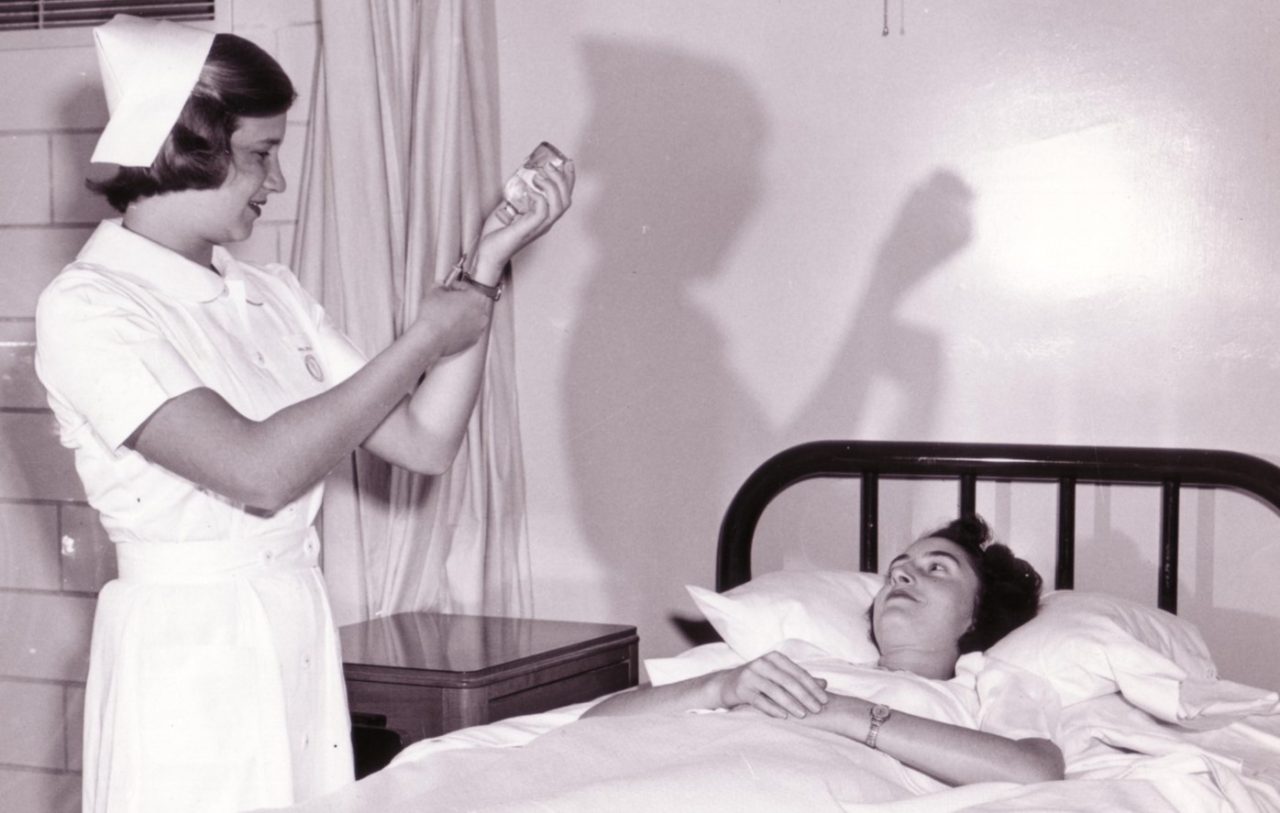
  • Nurse standing next to a bed with a patient and using a syringe to extract medicine from a bottle.
    Nursing, 1953
  • Two nurses standing next to a young patient lying in bed with arm stretched out to grab the bar above the bed.
    Nursing, 1954
  • Nurse helping a young boy wearing a stethoscope listen to his own heart
    Nursing, 1956
  • Supervising nurse and student nurse tending to baby on a hospital bed.
    Nursing, 1974
  • Three women standing on street in downtown Portland.
    Blanchet House, Harrington Health Clinic. Kay Toran, Kelly Fox, Emily Harrington (School of Nursing & Health Innovations photo)

Related Links

Community Programs (School of Nursing & Health Innovations website)

Nurses are Superheroes (PortLog article)

A Given Life: A Center for Social Concern (PortLog article)

Filed Under: Values, Values 1 Leave a Comment

Involved in One Another: UP the University OF, FOR, and WITH Portland

September 14, 2023 By Archives

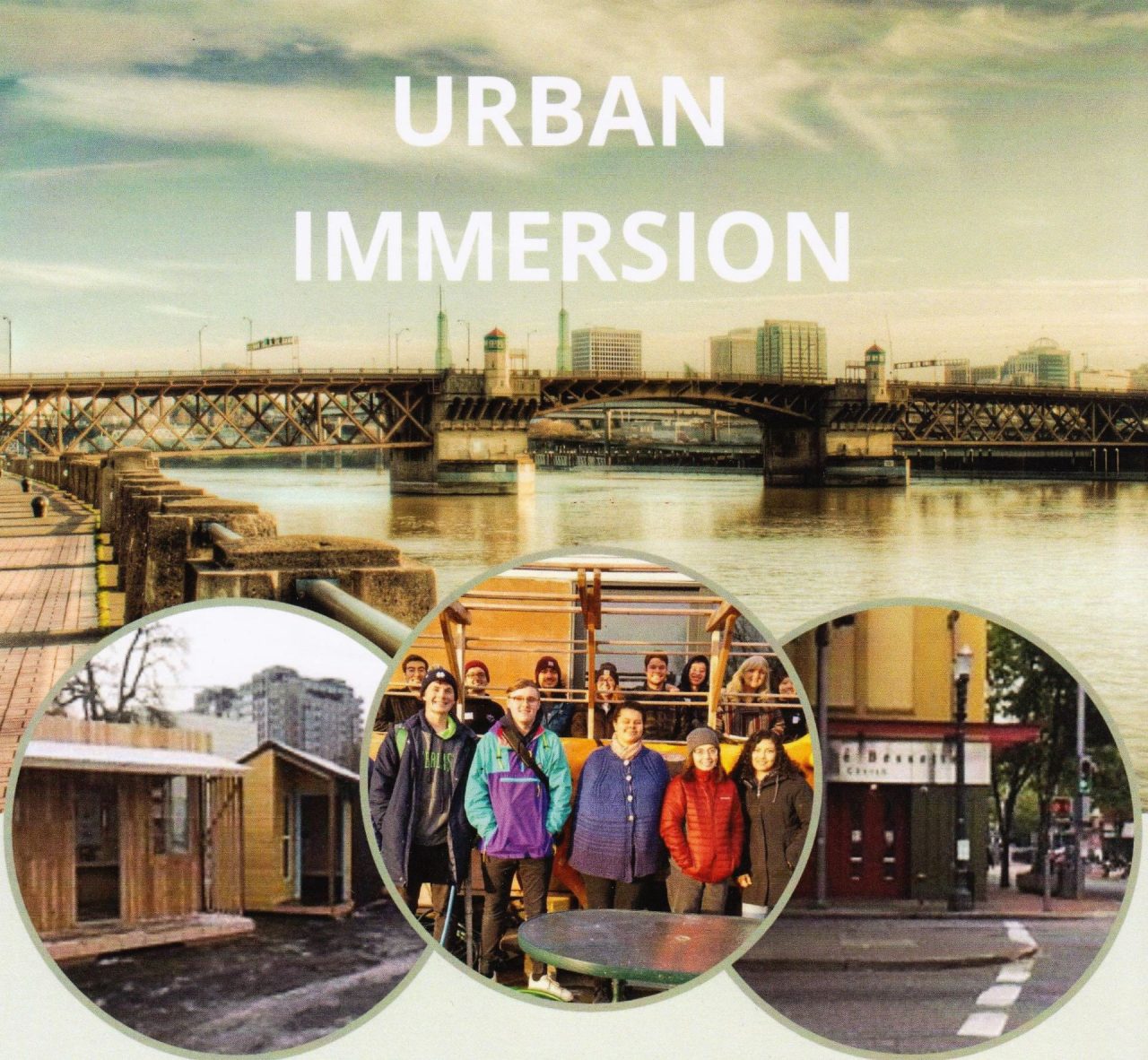
Collage photo of the city of Portland skyline, tiny houses, student volunteers, and Portland street corner.

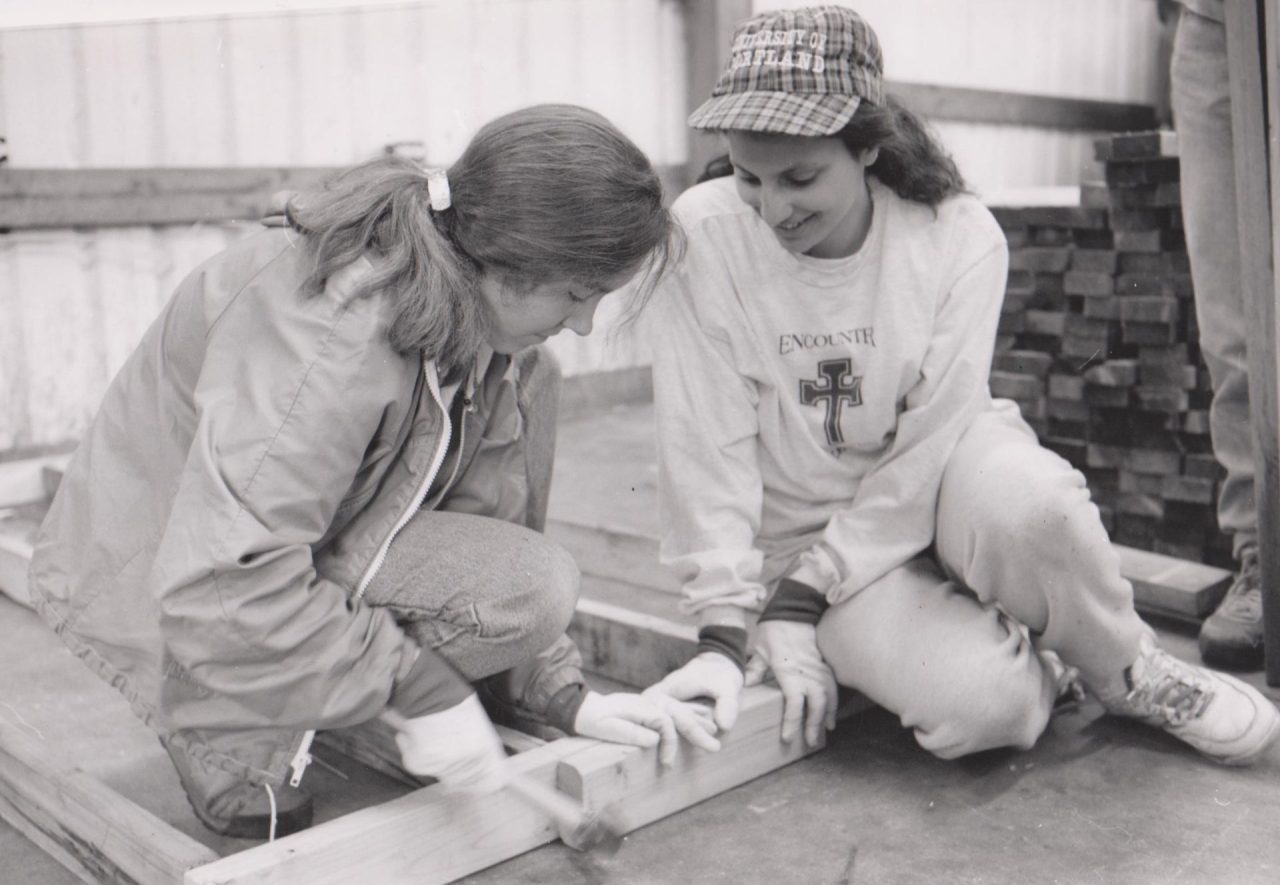
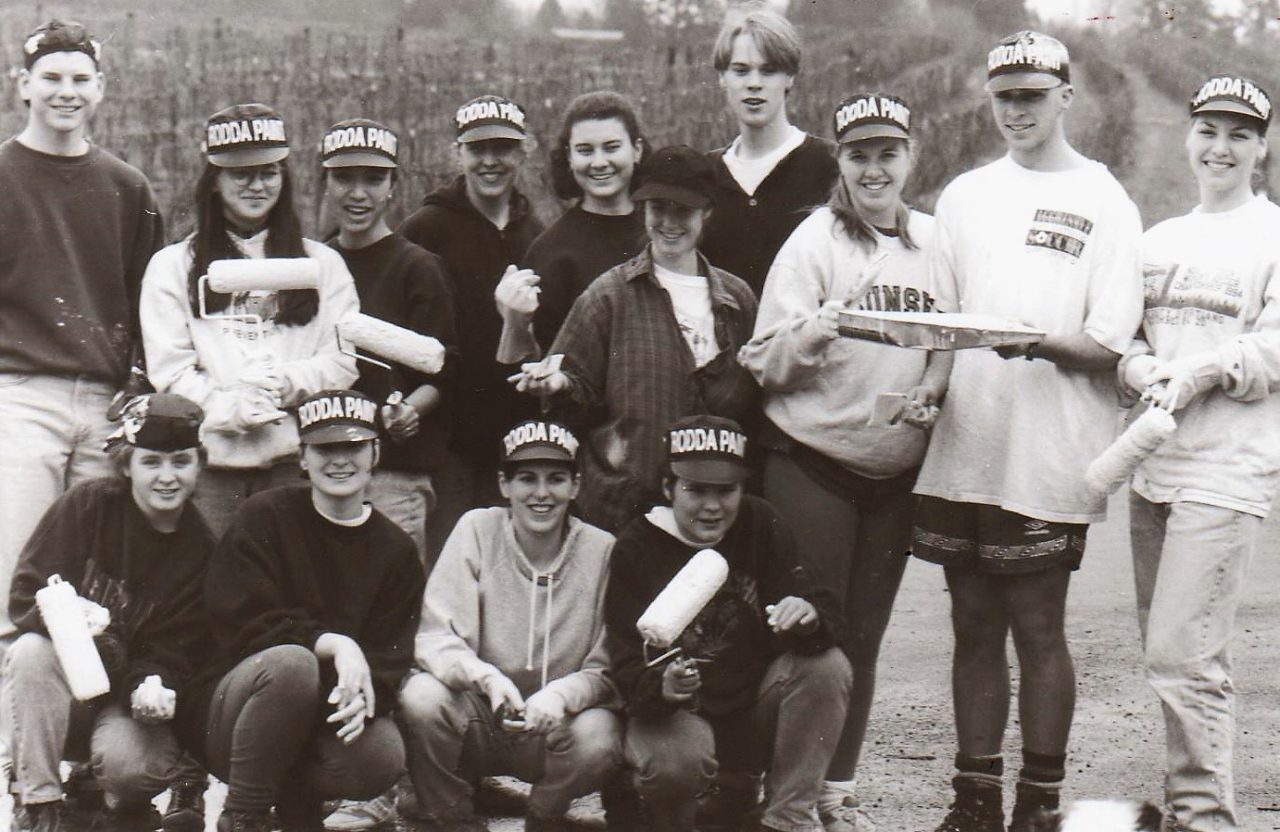
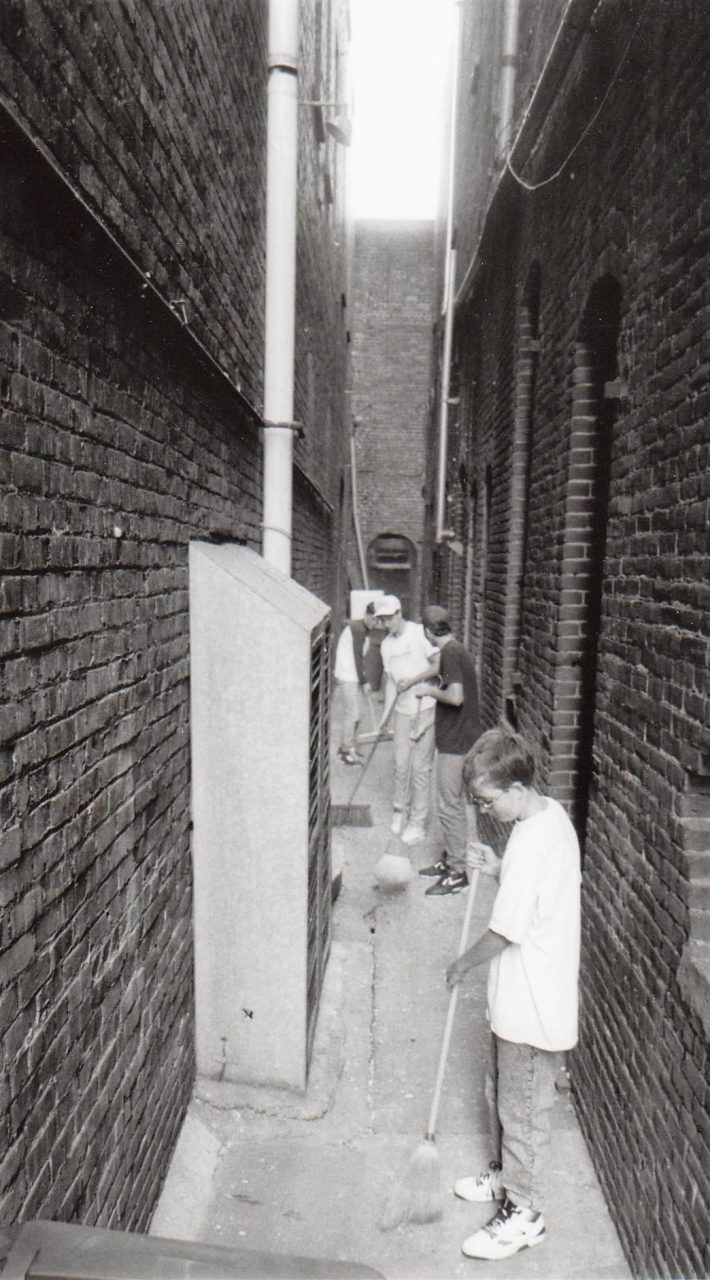
The Moreau Center for Service and Justice has their office and meeting areas in St. Mary’s Center.  That is not where the Center works.  Although located on campus, The Moreau Center has a larger horizon as an educational experience that does not take its focus from lecture, discussion, and essay assignments. The Moreau Center’s working space is off-campus, and, oftentimes, far, far, far indeed off campus.

The program year starts with the beginning of the school year, with an Urban Plunge witnessing the needs, conditions, lives of the dispossessed and houseless communities in the city of Portland.  This is a participatory field trip, where eyes are opened and hands engaged.  The fundamental learning principle is that our community is nested and situated within a network of communities.  The program-goal states the learning outcome as: Learn how University of Portland is the University OF, FOR, and WITH Portland and how you will be OF, FOR, and WITH Portland, too!  The human take-away of Plunge is how the participant enacts (is an action) human-formation, providing experience and witness to the truth that no person is an island to themselves.

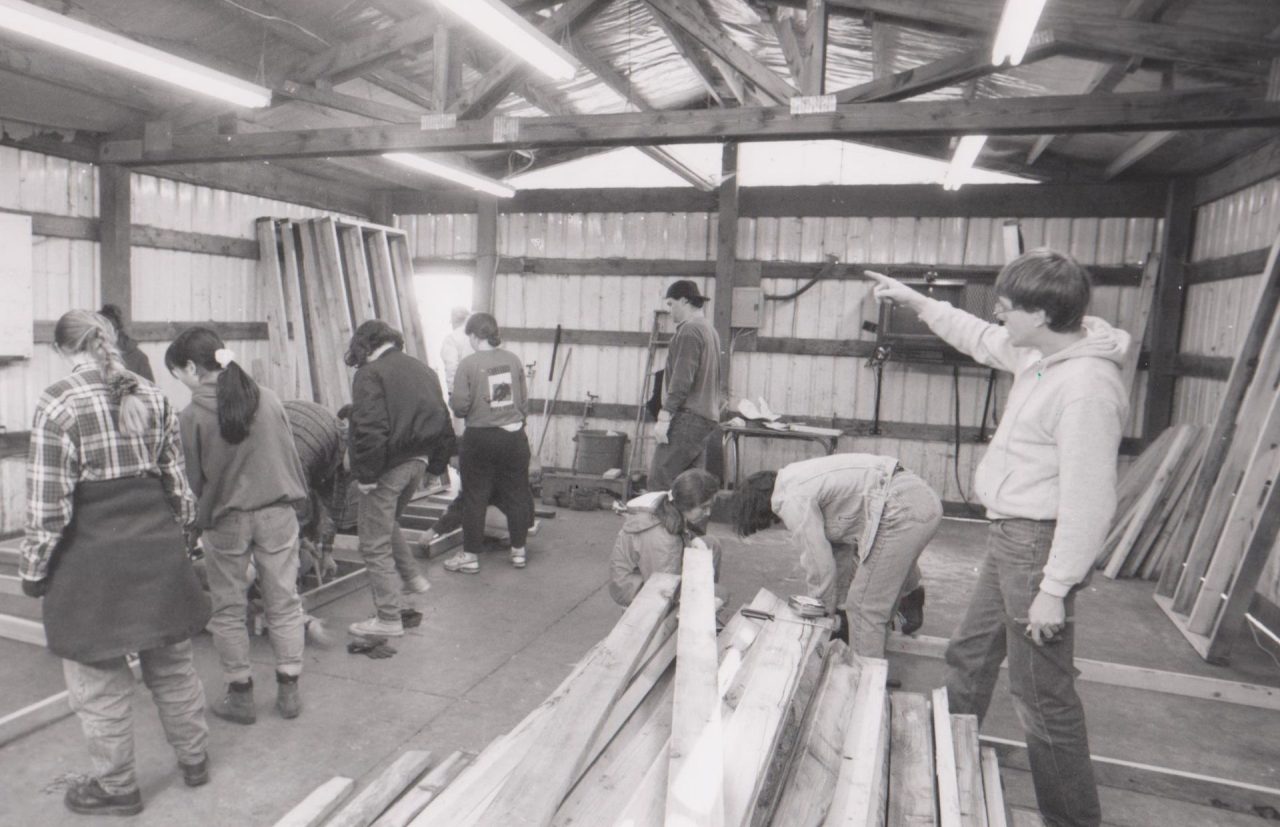
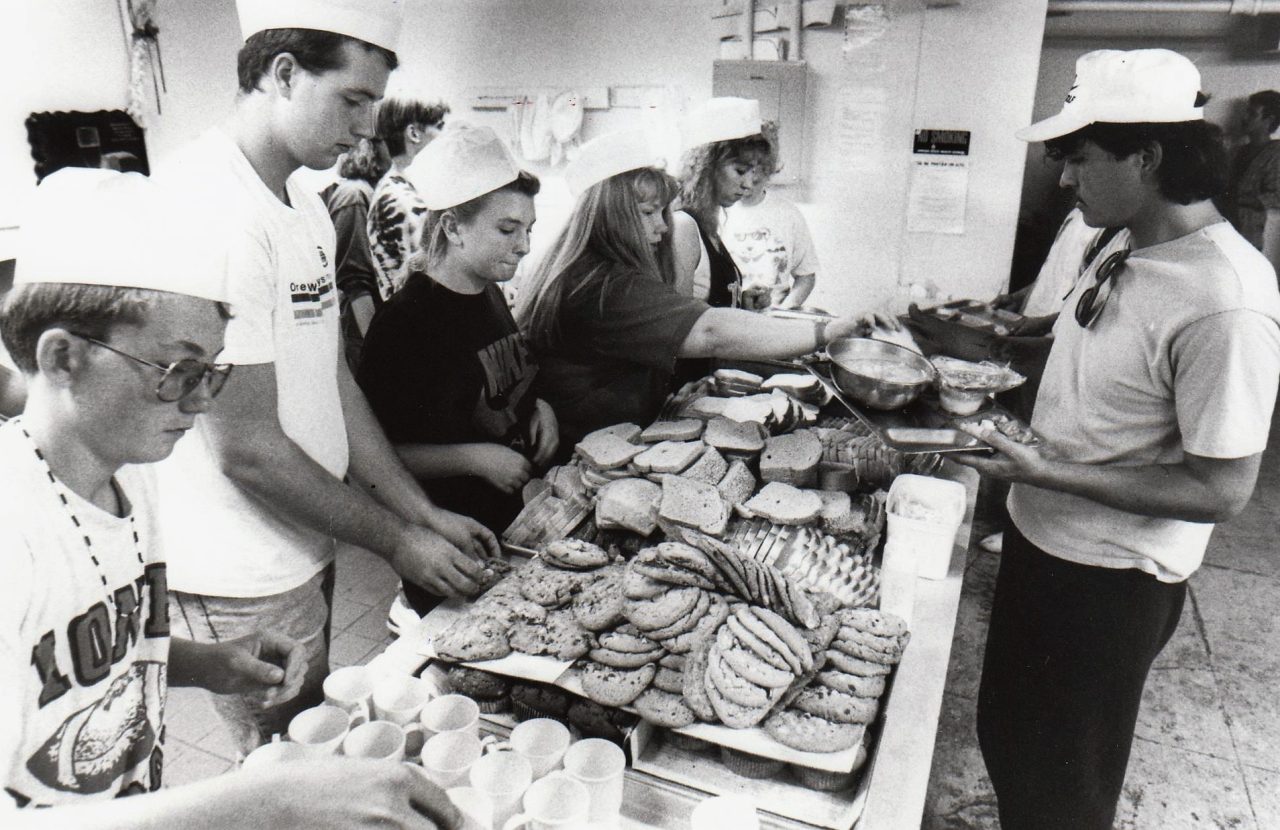
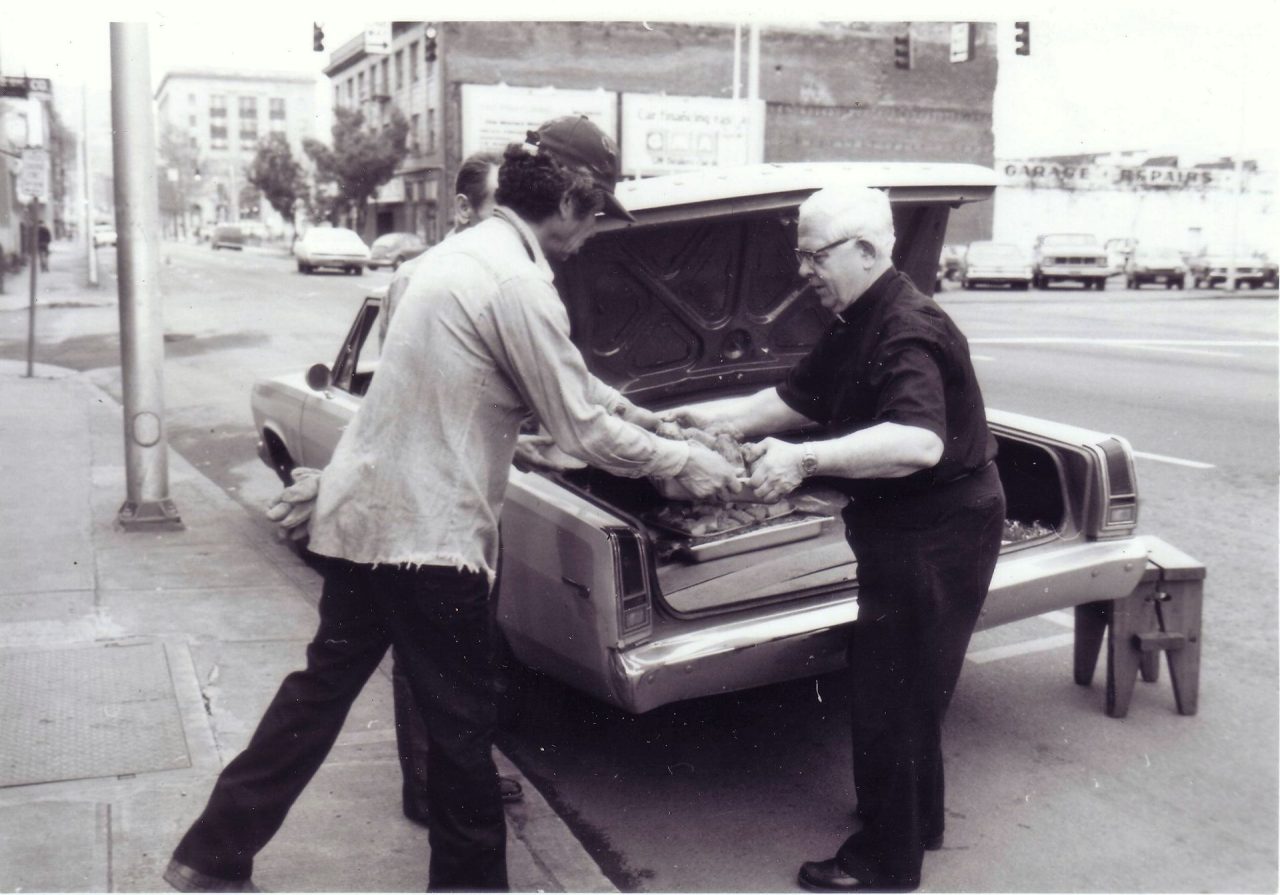
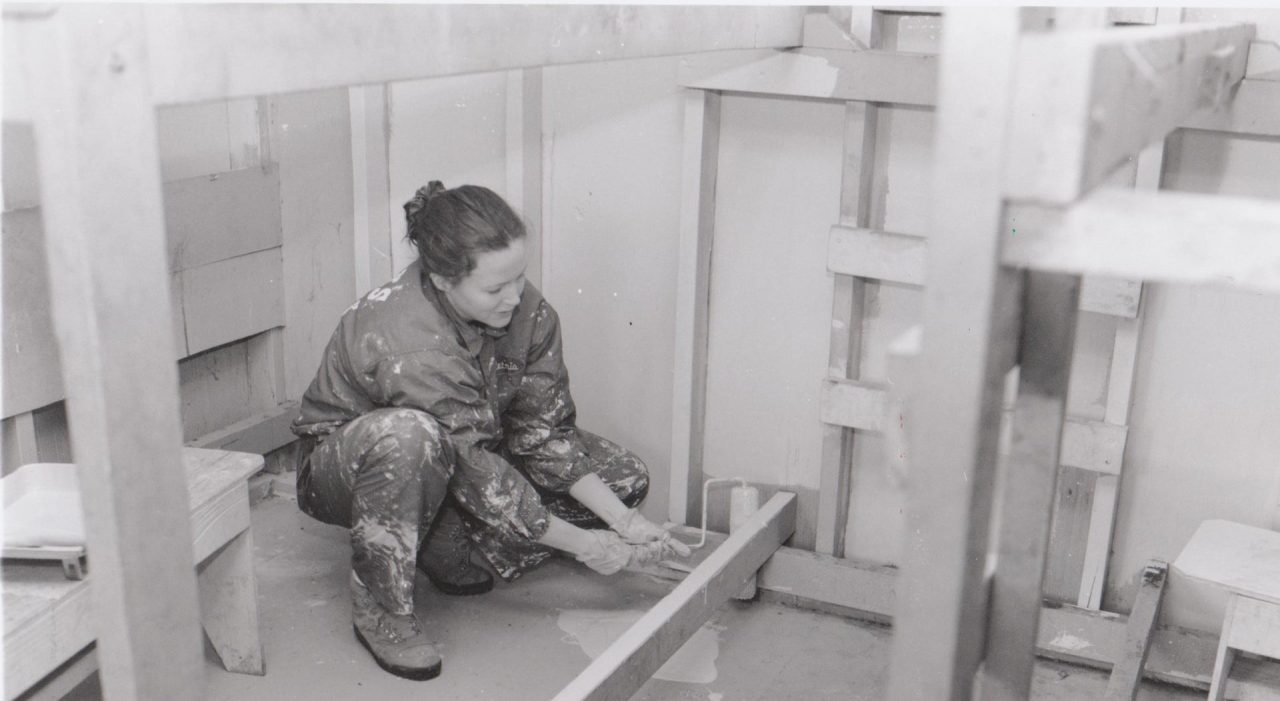
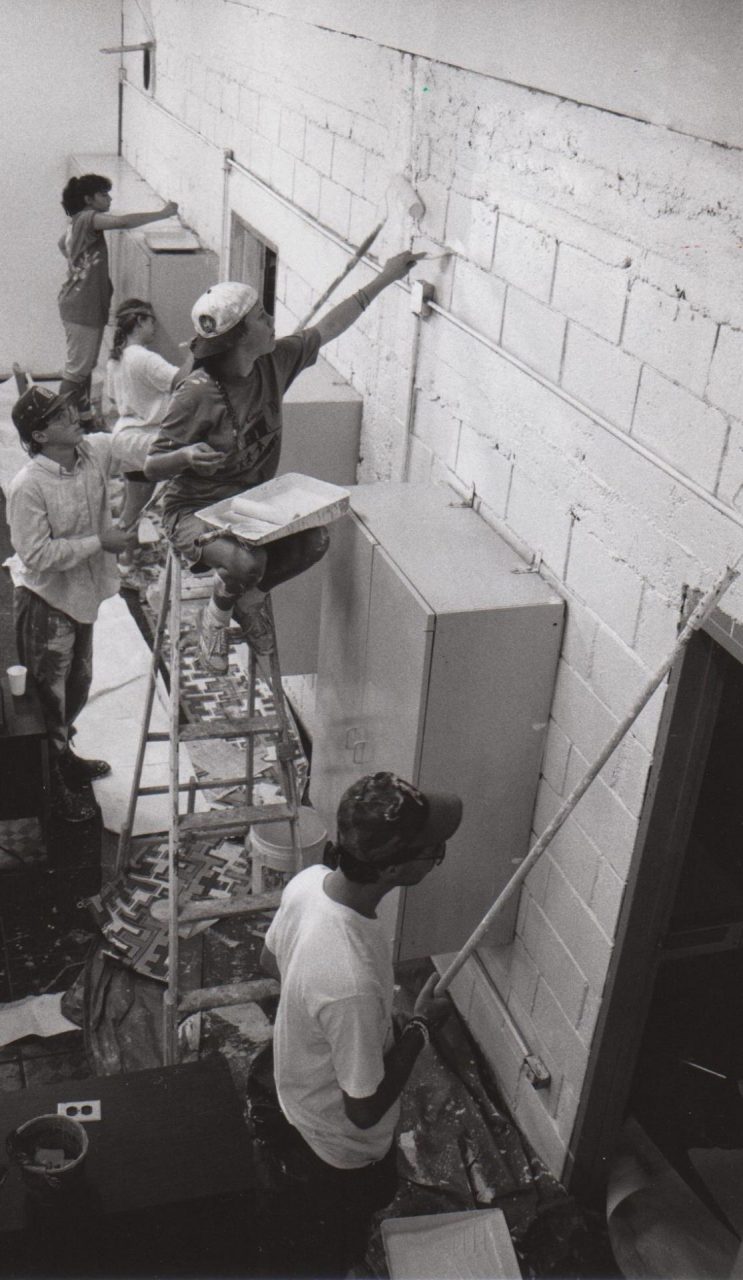
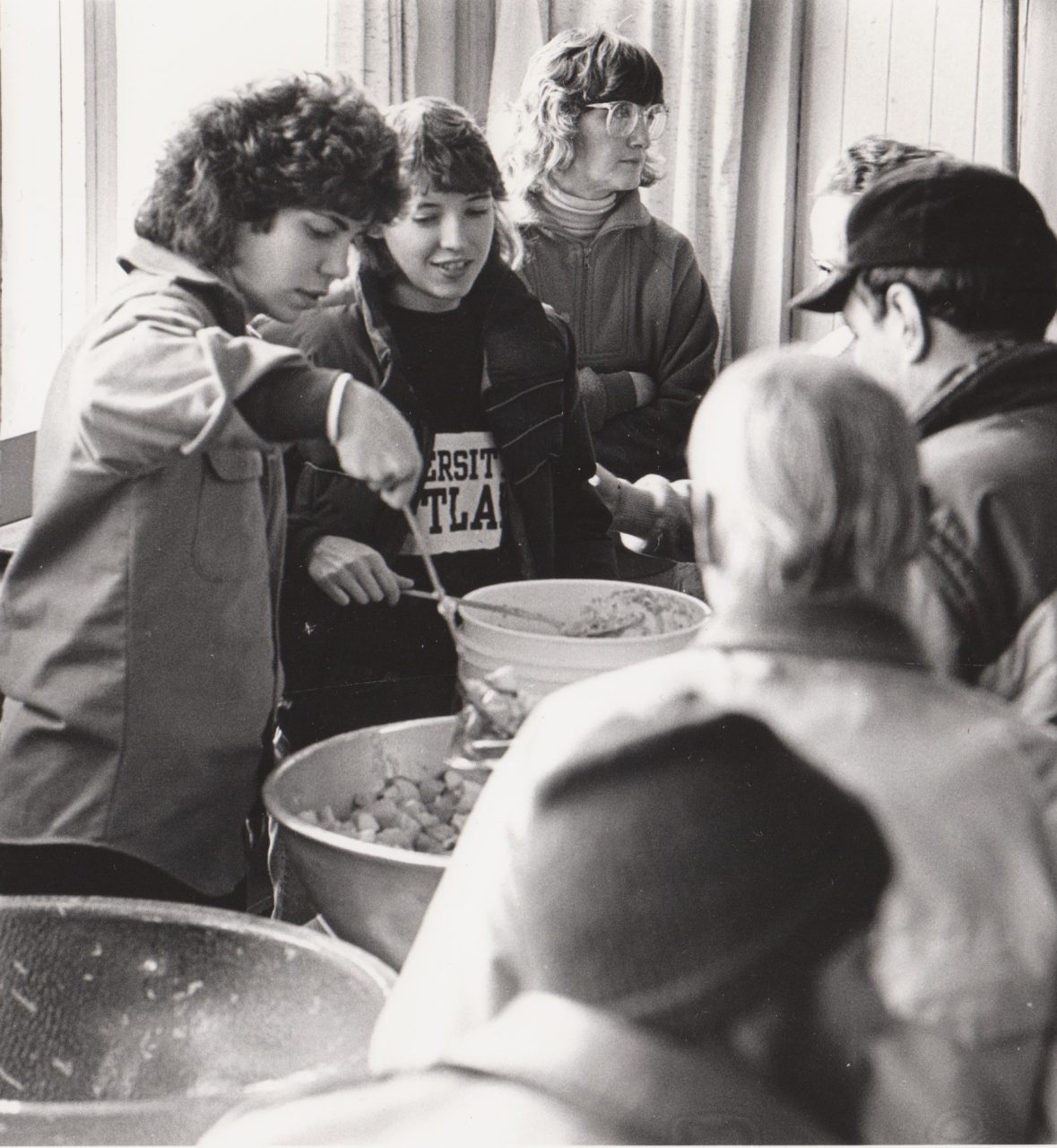
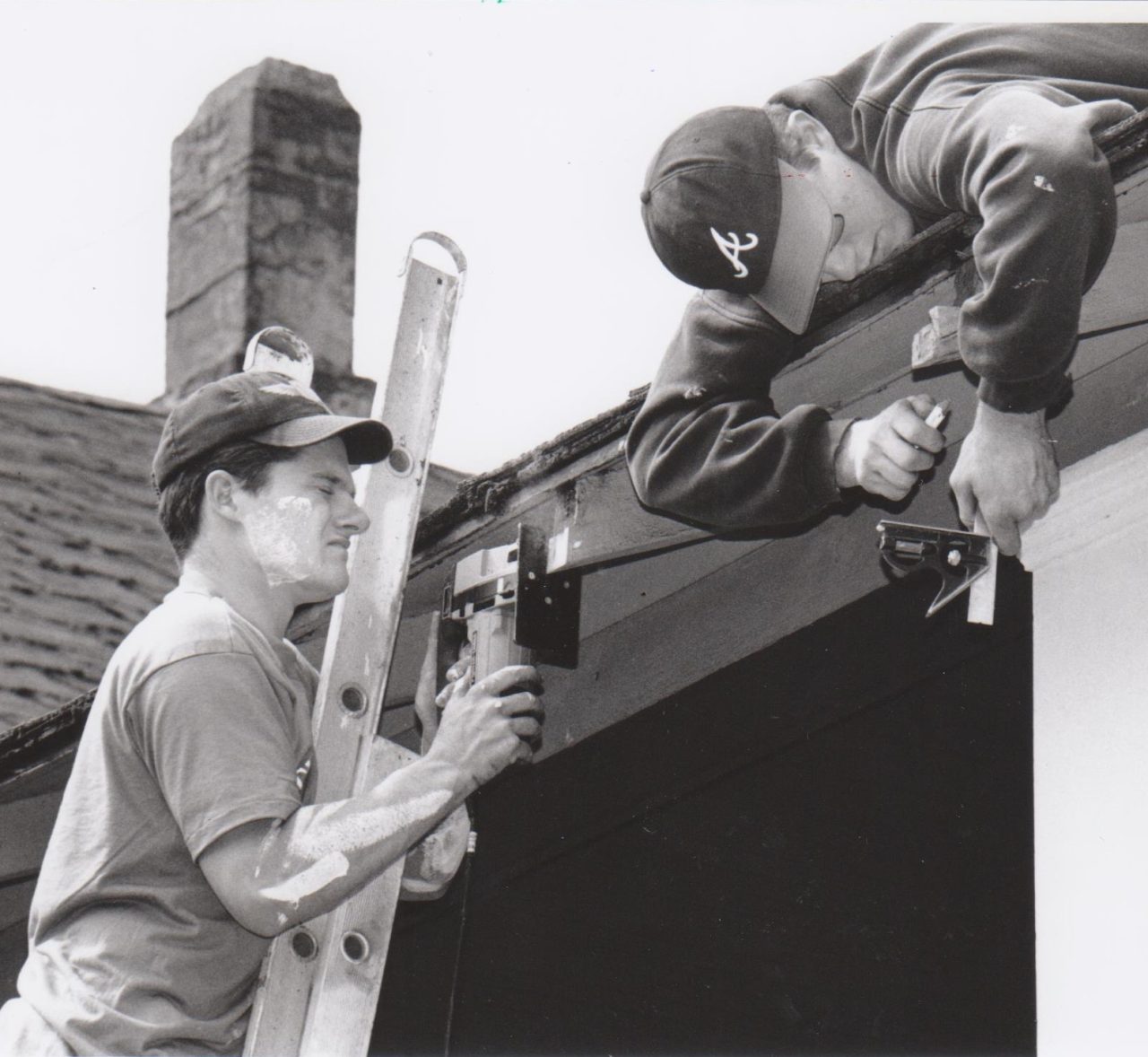
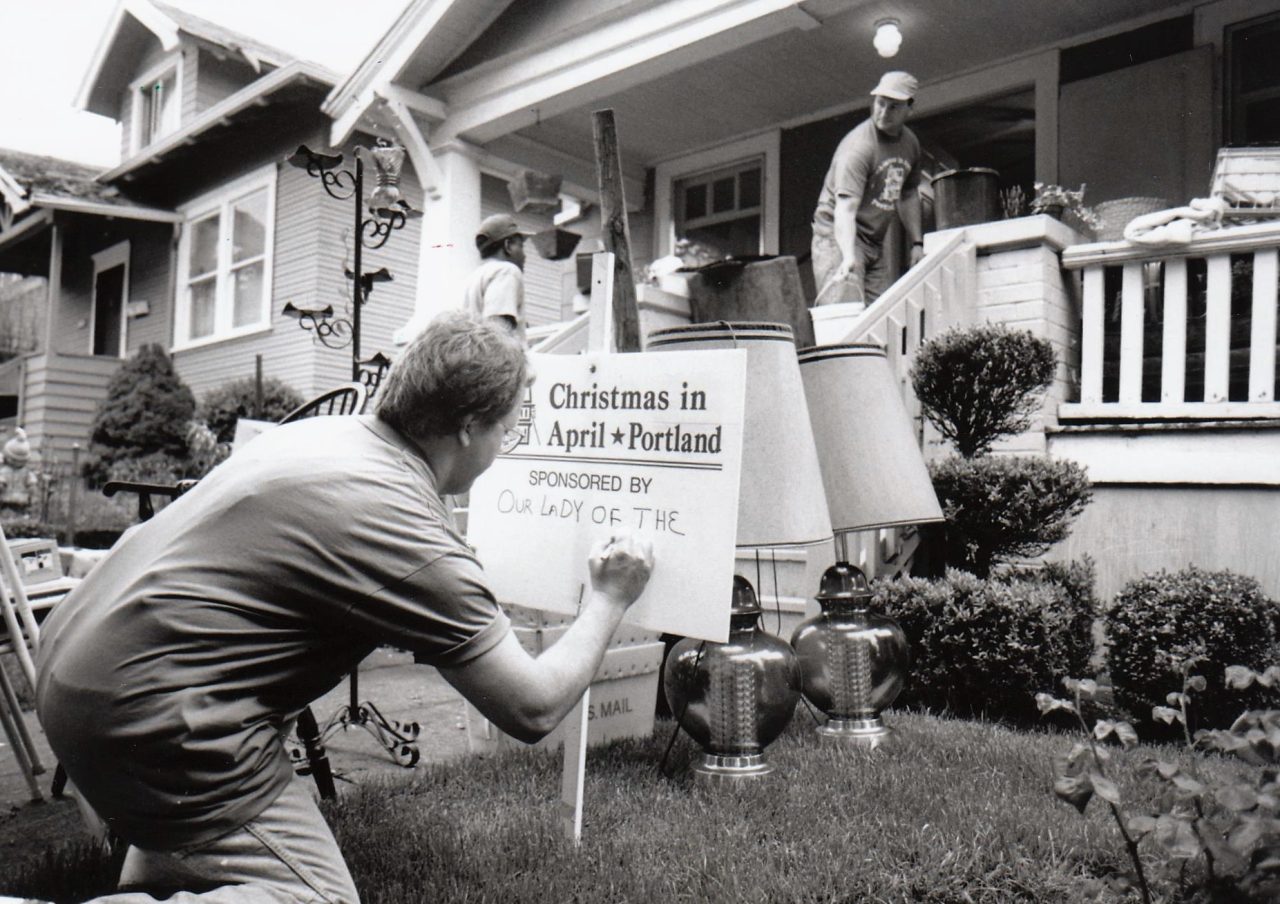
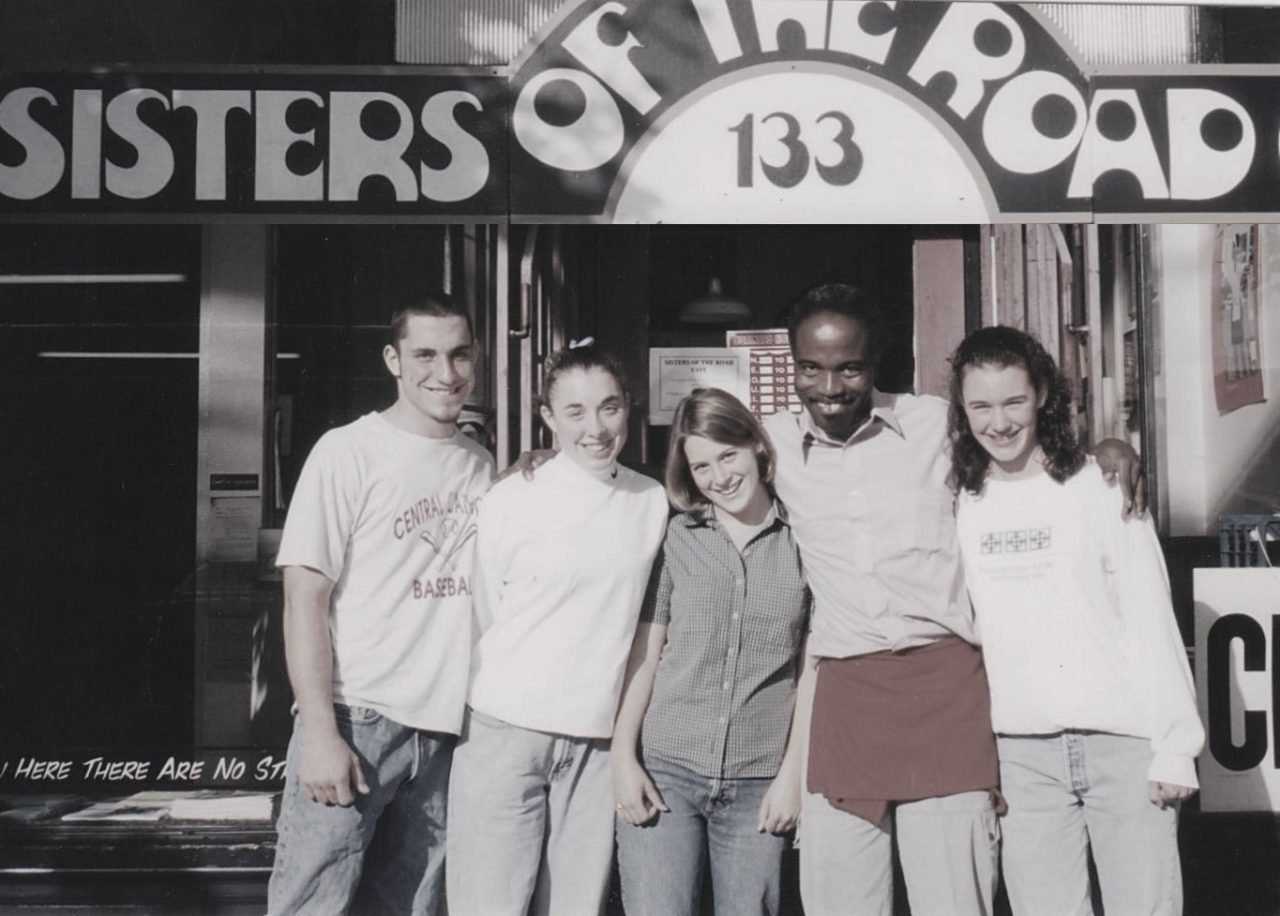
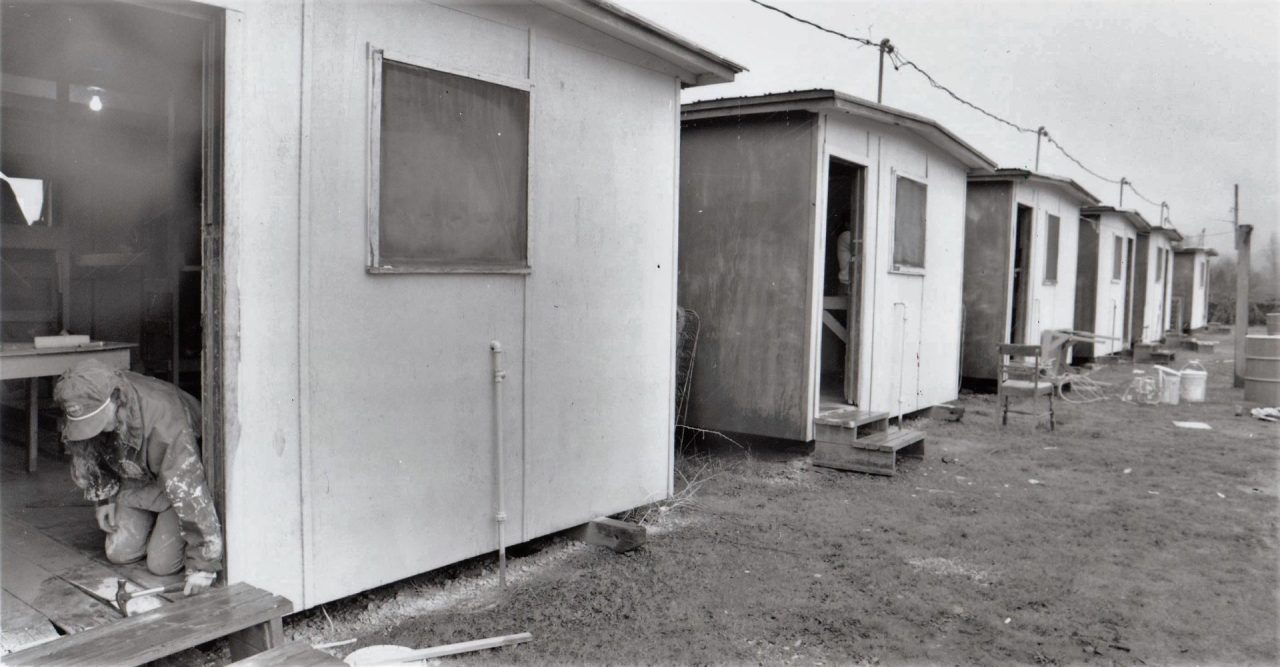
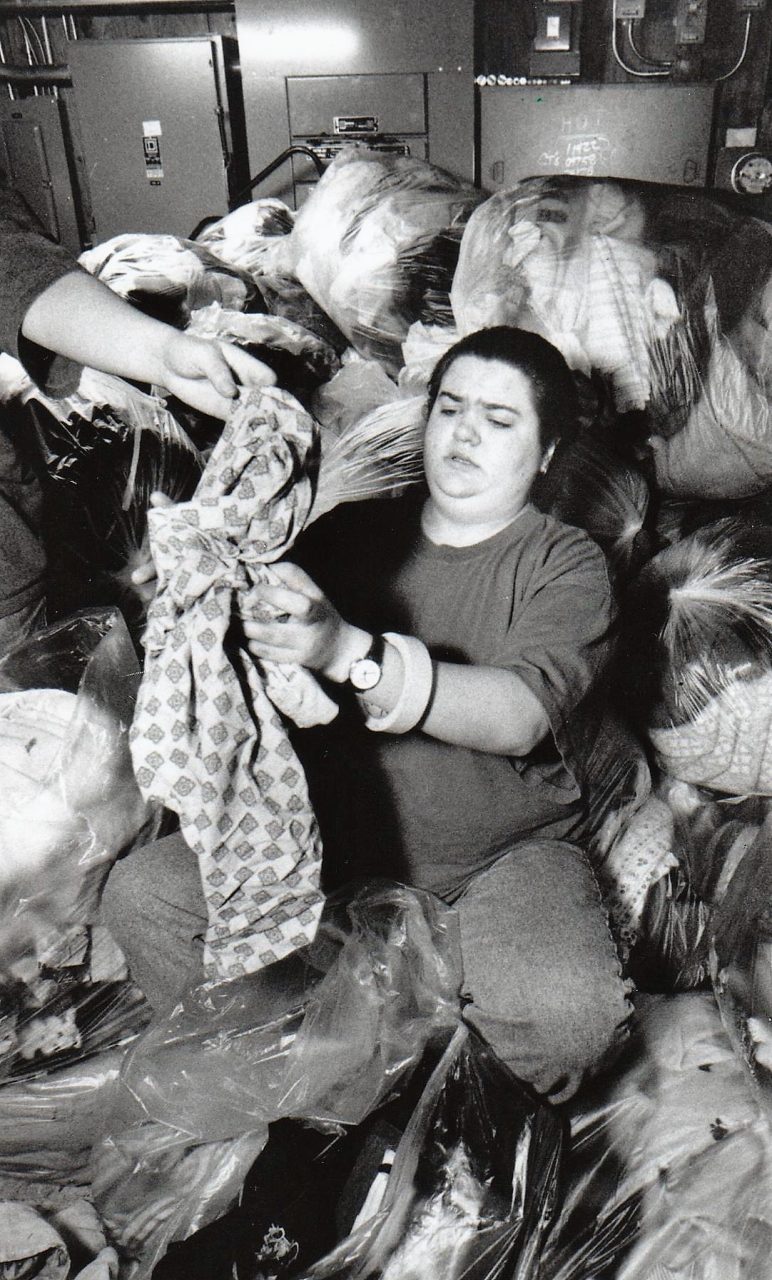
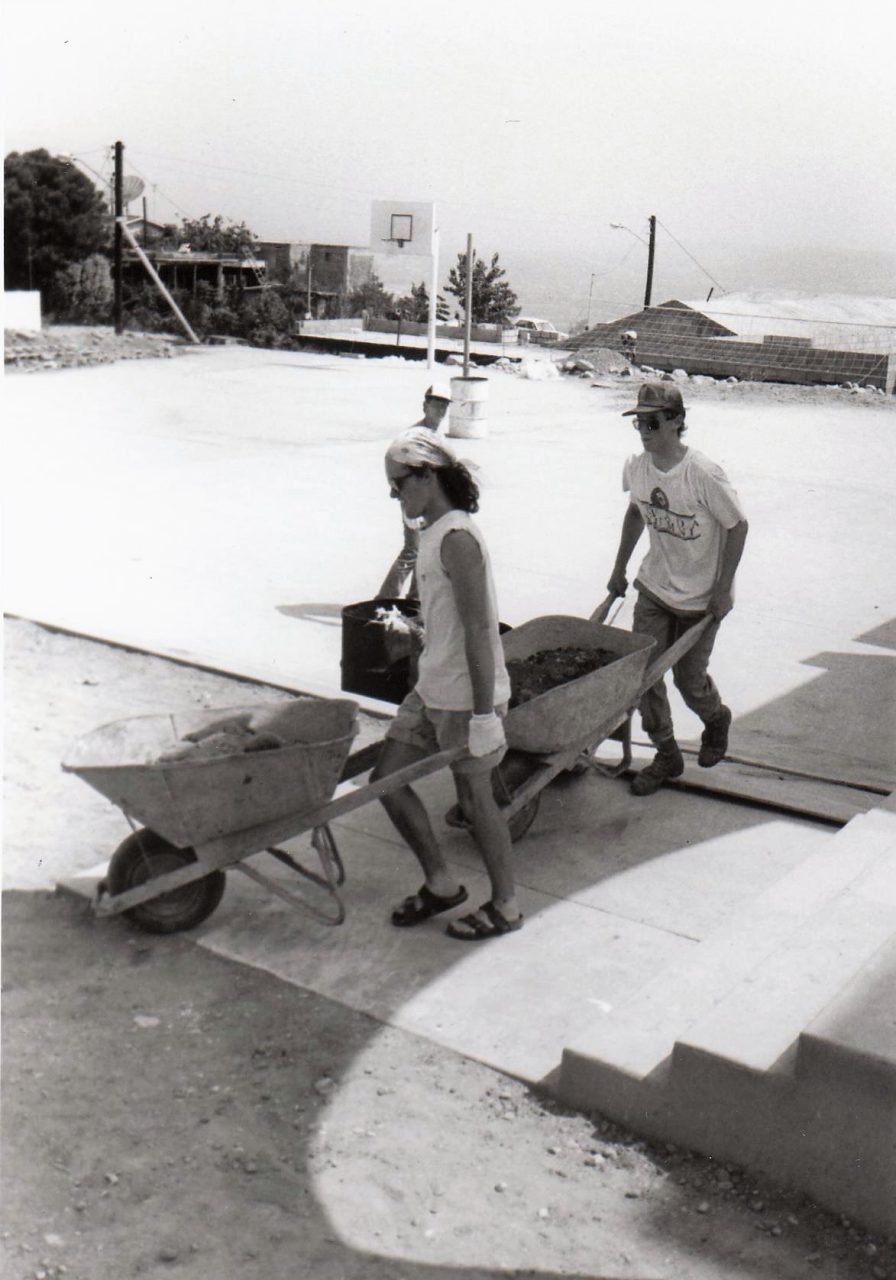
The same mix of involvement, awareness, and education characterizes all witness and action, presence and service in Plunges and Immersions, whether local, stretching across the country, or beyond our national borders.  In the photo gallery here there are images from the decade 1987-1996, suggesting, correctly, that there is history here.  First, that economic insecurity and houselessness have a long pedigree.  Second, and notably, that UP has seen itself involved in our community for a very long time.  It is a character-value for the University which is often first rooted in the experiences of students, such that the institution takes this value from the students.  For example, already in 1952 Blanchet House was founded in a downtown Portland parish by Rev. Francis Kennard, the priest of that parish, and by students from UP (one of those students having grown up in that parish and bringing his UP classmates out to the city, into community service).  The Moreau Center and student immersions are continuous descendants of the Office of Volunteer Services (1985) and the Urban Plunges of that period.

  • Programs (a selection): Urban Plunge, Christmas in April, Transition Projects, Migrant Camp, Blanchet House, Salvation Army, Rural Plunge, Sisters of the Road Café
  • Tasks: painting, bread, hammering, scraping, cookies, stew, shovels, wheelbarrows
  • Goals: connection, service, awareness, sharing, compassion, equity, character, justice
  • Group of volunteer students building a barn.
  • Volunteers scrape paint from the side of a house.
  • Student volunteers serve bread and cookies in a food buffet line.
  • Priest hands off box of food to another person.
  • Two students hammer pieces of wood together.
  • Student holding a bucket and can of Ajax cleaner.
  • Student volunteer painting wood beams.
  • Volunteers painting the side of a building.
  • Students serve food in a buffet line.
  • Student volunteers wearing Rodda Paint caps and holding paint rollers, brushes, and pan.
  • Student volunteers sanding a roof beam.
  • Volunteers doing repair work outside a house.
  • Five people standing in front of Sisters of the Road cafe.
  • Volunteers sweep a narrow alleyway between buildings.
  • Six tiny houses under construction.
  • Volunteer sorts bags of clothing.
  • Two people pushing wheelbarrows.

Filed Under: Values, Values 1 Leave a Comment

DEI Series: The Urban League and UP

February 14, 2023 By Archives

The opening issue of the Beacon for the 1964 school year generously notes the “unofficial enrollment of the class of 1968, numbering about 600”.  The number is approximate because there is always some melt in the first weeks of the frosh year; the Admissions Office records 434 first-year students that fall.  However, the tally of 253 who crossed the stage four years later receiving Baccalaureate degrees on May 11, 1968 is also a precise number.  The completion rate is an unenviable 60%.  At UP during the 1960s, the perception of low graduation rates was widespread and accurate; the disparity between enrollment numbers and the number of degrees granted after four years was a cause for general concern. 

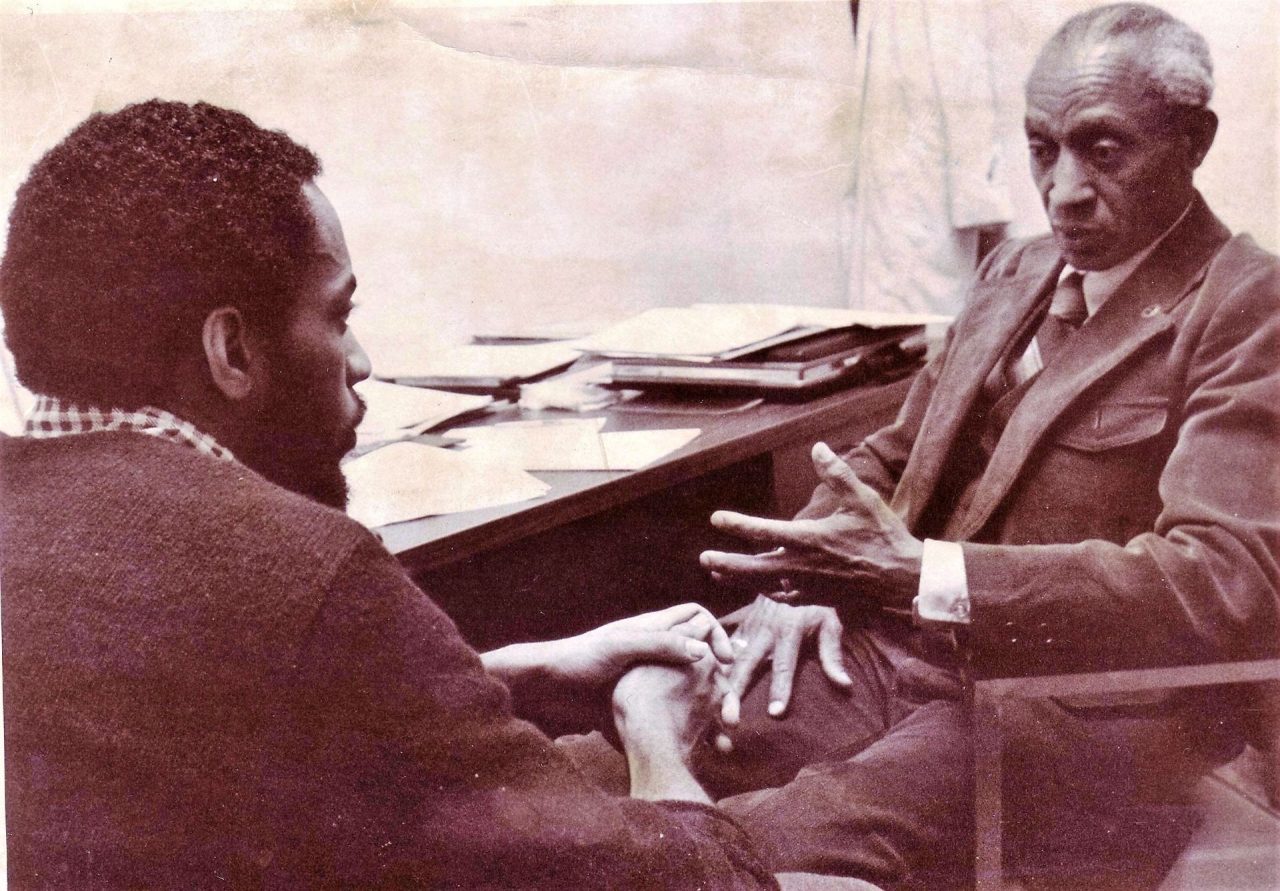
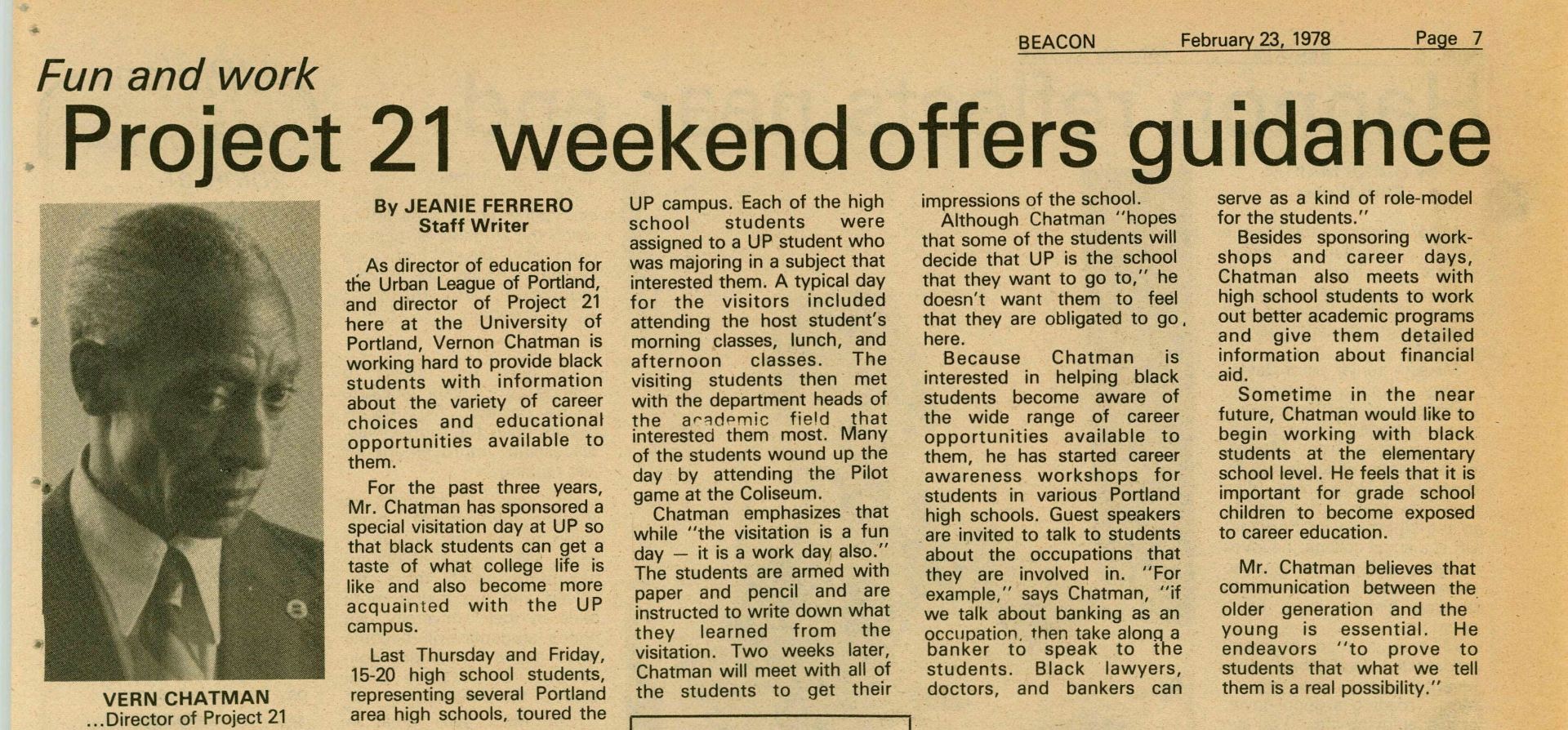
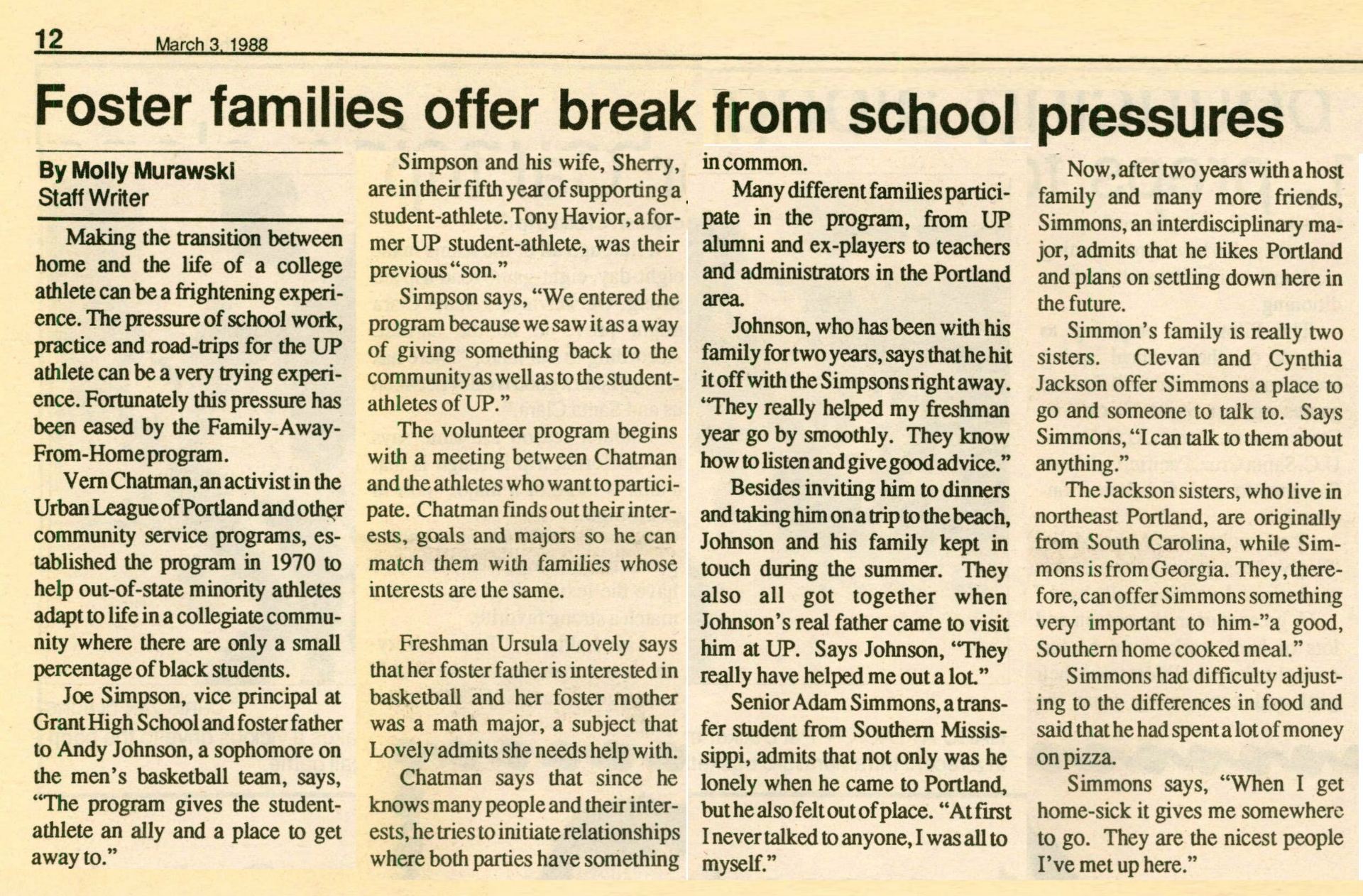
Vernon Chatman, a Pilots basketball fan, spoke directly and specifically to the president about that drop-off, proposing several programs to support Black and minority students through to graduation.  Rev. Paul E. Waldschmidt, CSC, then University president, swiftly hired him for UP to implement his plan for student assistance and retention.  Mr. Chatman became an adviser to the president, students, a community liaison, and even a student himself (M.Ed ’72).  Already in 1968 when he approached UP, Mr. Chatman was active in the Urban League of Portland, where he served as director of education until 1987 (pictured here in 1978).

Vernon Chatman, Alumni Bulletin, March 1978, p. 7

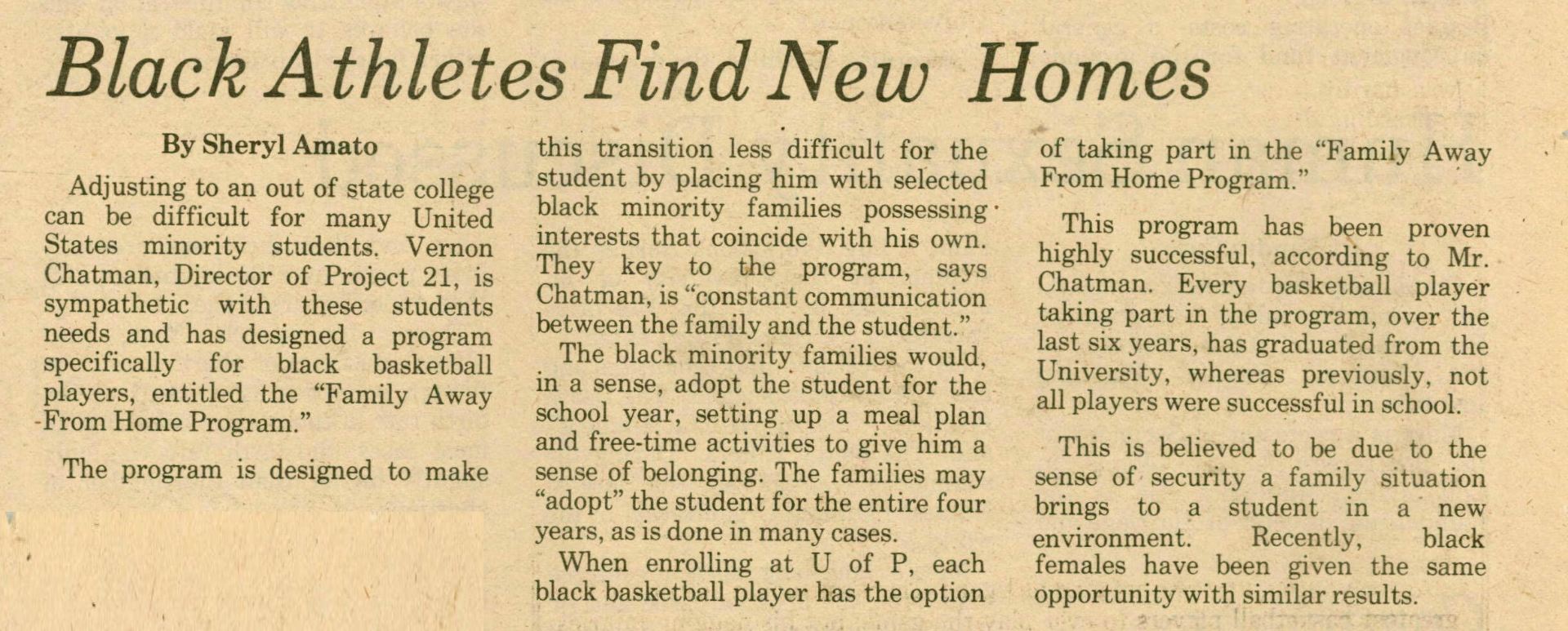
Mr. Chatman’s leading initiative was the Project 21-Family Away From Home Program.  This and other programs reached into local Portland area high schools to promote recruitment of Black students for college, including pre-college counseling, SAT prep, and following up with career counseling and job-fairs such as the Urban League’s Career Awareness Day hosted for many years at the University; and then once students arrive at the University continuing support was offered by participating in a host-family mentoring-to-success program**.  Here retention and recruitment programs were aligned.  Also, he was a skilled Scholarship matchmaker, encouraging dreams and assisting to provide the opportunity and means to achieve dreams.

In 1968 he is listed as advisor to the president; later, as his programs took regular shape and began to be implemented his office was housed within the Counseling center, in the Division of Student Life.  By 1973 his title in the faculty directory is Black Student Advisor.  From then until the present, under evolving nomenclature, labels, and titles—Minority Student Advisor, Coordinator of Minority Services, Director of Minority Programs, Multicultural Coordinator — the University has maintained and funded initiatives in the area of Student Services to encourage, promote, facilitate Diversity, Equity and Inclusion efforts at UP.

Prior to the 2018-2019 school year the Office of International Education, Diversity, and Inclusion was established with the charge to implement recommendations of the University’s Vision 2020 Strategic Plan to create, coordinate, and facilitate intercultural endeavors and opportunities.  As in 1968, a Presidential appointment responding to community-raised concerns. This office and the directing Associate Provost, Dr. Eduardo Contreras, continue to address priorities of opportunity and access and support that are central to the University’s mission though—even after fifty years– not thoroughly realized in University life.

** “A Crisis in Black and White?”, Portland Magazine, Summer 1986, p. 7, reports a 95% graduation rate for the athlete mentoring program.

Supplemental Exhibits from the University Archives (click to enlarge):

Brother Frederick Williams, CSC, and Black History Month, Portland Magazine, Winter 1984, p 9
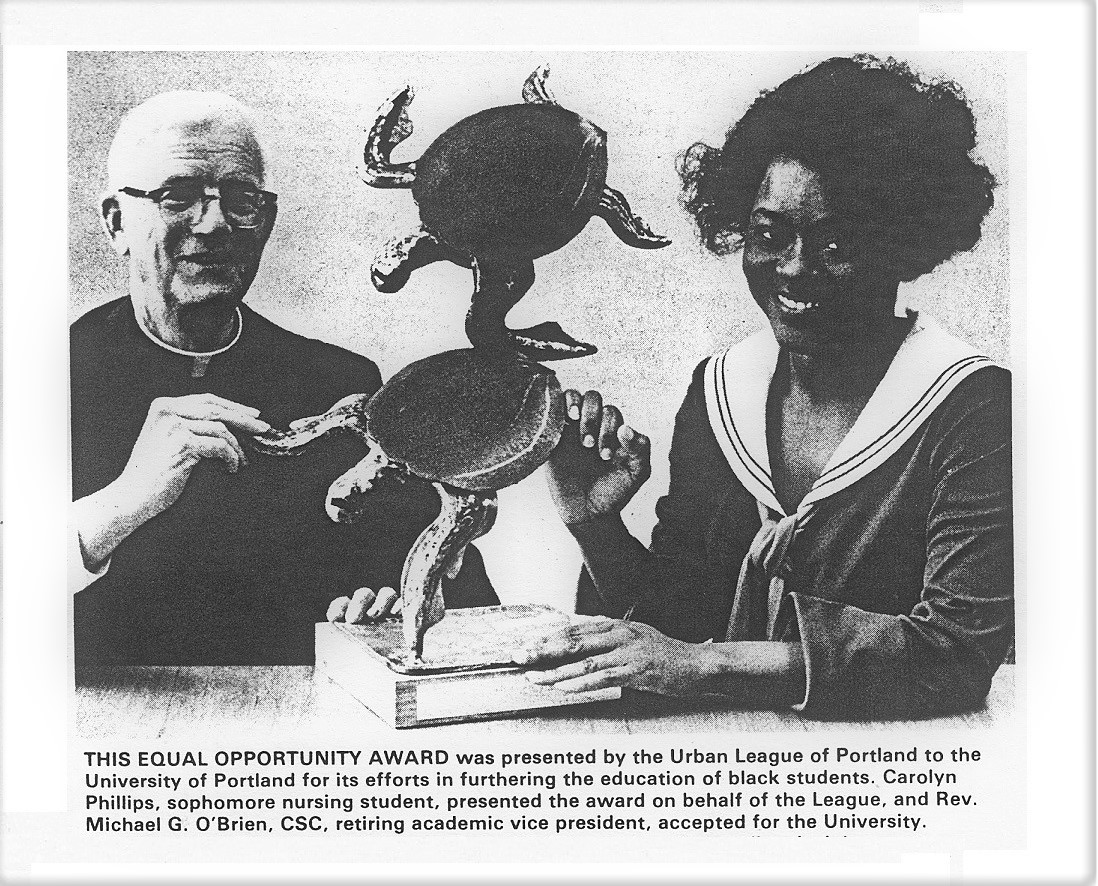
Equal Opportunity Award for University of Portland, 1977
Project 21, The Beacon, February 23, 1978
Family Away from Home Program, The Beacon, September 27, 1979, p. 4
Family Away from Home Program, The Beacon, March 3, 1988

Other DEI Posts on PortLog
DEI: Gateways & Opportunity

Diversity Belongs to the Recipe

TWIRP Dance

Filed Under: Values, Values 1 Leave a Comment

  • Go to page 1
  • Go to page 2
  • Go to Next Page »

Primary Sidebar

Hours and Location

University of Portland Museum
014 Shipstad Hall

Available by e-email at:  museum@up.edu

Digital Collections

Explore some collections and resources from the Archives and Museum available online through Digital Collections


Social Media

Follow us on Facebook

Follow us on Instagram

Ask Us Anything

Ask Us Anything

We'd Love to Hear from You! Questions? Comments? Topics?

This form is protected by reCAPTCHA and the Google Privacy Policy and Terms of Service apply.

Copyright © 2025 · News Pro with Full Header On Genesis Framework · WordPress · Log in
Subscribe

Subscribe By Email

Get every new post delivered right to your inbox.

This form is protected by reCAPTCHA and the Google Privacy Policy and Terms of Service apply.


Loading Comments...